


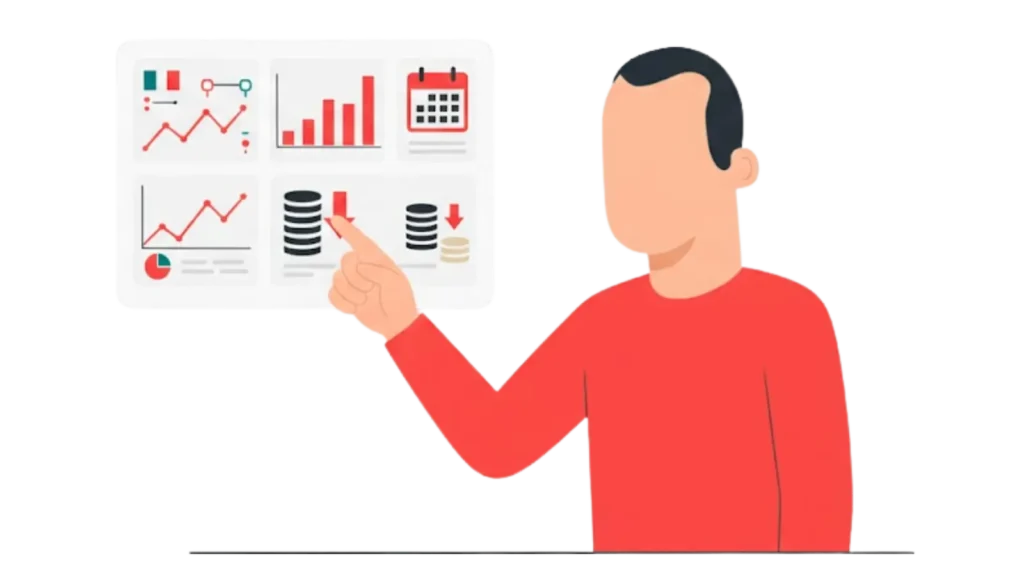
Running an independent hotel or a small group of properties is rewarding, but competing with large hotel chains that have dedicated revenue teams is a constant challenge. If you’re still relying on static pricing, you’re leaving revenue on the table. Dynamic pricing has become an absolute necessity for small hotel groups looking to optimize revenue and stay competitive. This data-driven strategy lets you optimize your rates with the same sophistication as the big guys, while reducing the manual workload that overwhelms so many independent hoteliers.
What Is Dynamic Pricing in the Hospitality Industry?

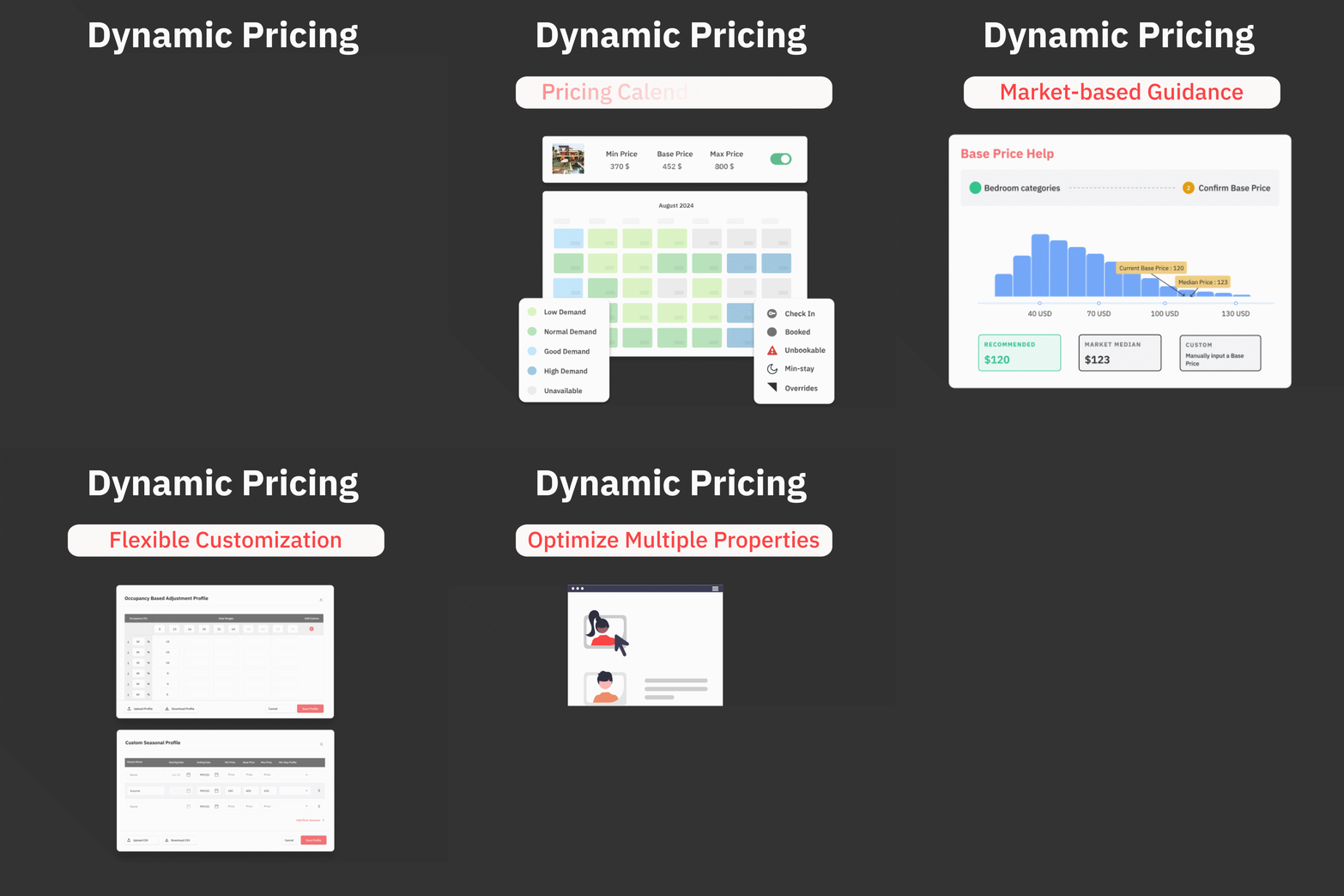
Dynamic pricing is the practice of automatically adjusting your room rates in real time based on factors such as market demand, competitor pricing, and guest behavior.
Unlike the outdated static pricing model, which sets rates annually or seasonally and misses crucial revenue opportunities, dynamic pricing is an AI-driven revenue management approach. It leverages machine learning to analyze vast amounts of data, delivering informed, competitive pricing decisions that proactively optimize your revenue.
Static vs. Dynamic Pricing: A Clear Difference
| Pricing Approach | Update Frequency | Data Dependency | Flexibility | Revenue Optimization |
| Static Pricing | Annual/Seasonal | Limited historical data | Low | Moderate |
| Dynamic Pricing | Real-time/Daily | Comprehensive market data | High | Maximum |
Dynamic pricing systems constantly monitor the market, making micro-adjustments throughout the day to ensure your rates are competitive, optimize revenue during high-demand periods, and maintain healthy occupancy during slower times. This transforms your revenue management from a reactive chore into a proactive strategy.
Why Dynamic Pricing Is Essential for Small Hotel Groups
Small hotel groups operate with limited staff and resources, which is often cited as the biggest obstacle to strategic revenue management. Dynamic pricing is the single most effective way to level the competitive playing field.
- Automated Rate Optimization: With limited staff, 53% of small hoteliers are overwhelmed by operational demands. Dynamic pricing operates 24/7 without requiring constant manual rate reviews or competitor analysis, freeing up your team to focus on the guest experience.
- The Power of AI: Revenue management is recognized as a fast-growing area for AI ROI. AI-powered dynamic pricing optimization allows small hotels to operate with the analytical sophistication previously reserved for major hotel chains.
- Democratized Sophistication: This technology automates complex market analysis and calculations, giving independent hoteliers access to the same level of pricing intelligence as large, well-resourced competitors.
Key Factors Influencing Dynamic Pricing Decisions
Effective dynamic pricing results from comprehensive data analysis. The system considers multiple factors to predict a guest’s willingness to pay and sets the optimal price.
The Core Drivers of Dynamic Pricing
| Factor | Impact on Pricing | Data Sources | Adjustment Frequency |
| Market Demand | High | Event calendars, local tourism data | Daily |
| Competitor Rates | High | Rate shopping tools, market surveys | Real-time |
| Occupancy Levels | High | PMS data, booking pace | Hourly |
| Guest Behavior | Medium | Historical booking data, analytics | Weekly |
Modern AI-powered systems go even deeper, analyzing:
- External Factors: Local events, conferences, seasonal trends, and even weather forecasts.
- Booking Behaviors: Guest segmentation, search timing, length of stay, advance booking patterns, and historical cancellation rates.
By continuously processing these variables, your system can make precise, automated micro-adjustments throughout the day to capture the maximum revenue opportunities.
How to Implement Dynamic Pricing Successfully
Successfully transitioning from static to dynamic pricing is a systematic process involving technology, market intelligence, and continuous refinement.
1. Monitor Market Demand and Competitor Pricing
The foundation of effective dynamic pricing is a clear understanding of your local market and competitive positioning.
- Systematic Monitoring: Establish daily or weekly routines to track local occupancy trends, significant events, and seasonal patterns.
- Competitive Positioning: Use tools to monitor competitor rates to identify opportunities for premium pricing during high-demand periods.
- Actionable Insights: Use live market data to make immediate pricing decisions. When competitors raise their rates due to an event, your dynamic pricing system should automatically adjust to optimize your revenue.
2. Leverage Technology and Pricing Tools
Adopting the right revenue management technology is non-negotiable for small groups. A modern Revenue Management System (RMS) automates complex calculations and is the central hub for your operations.
When evaluating tools, prioritize the following features:
- PMS Integration: Essential for seamless, real-time rate updates.
- AI/ML Algorithms: Look for advanced platforms that use machine learning to optimize rates based on demand patterns, ensuring a sophisticated strategy.
- Automated Distribution: Ensures your consistent, optimized rate is pushed across all your booking channels.
3. Analyze Booking Patterns and Customer Behavior
Dynamic pricing uses AI-driven customer segmentation to identify distinct guest personas based on price sensitivity and booking behavior.
- Maximize Guest Value: This segmentation allows for targeted pricing strategies that optimize revenue from high-value segments (e.g., long-stay corporate guests) while maintaining competitive rates for price-sensitive segments.
- Anticipate Demand: Simple analytics dashboards can help you identify peak booking windows and guest segment preferences, enabling you to anticipate demand fluctuations before they occur.
4. Adjust Rates Based on Market Insights
Your pricing system needs data-driven rules for rate adjustments. This means increasing rates during high-demand periods and applying strategic discounts when occupancy projections are low.
Successful rate adjustment strategies include:
- Automatic Rate Increases: When competitor rates rise or demand signals strengthen.
- Last-Minute Discounting: Strategic deals to fill remaining inventory within 24-48 hours of arrival.
- Premium Pricing: Automatically applying higher rates for high-value dates identified through historical analysis.
5. Test and Refine Pricing Strategies
Dynamic pricing is not a “set it and forget it” solution; it requires continuous experimentation.
- A/B Testing: Adopt A/B testing to compare the performance of different pricing approaches on selected guest segments, measuring the impact on RevPAR and profitability.
- Regular Performance Review: Use built-in analytics to compare outcomes and refine your strategy as market conditions, booking patterns, and competitor activity evolve.
PriceLabs: The Dynamic Pricing Solution for Your Small Group

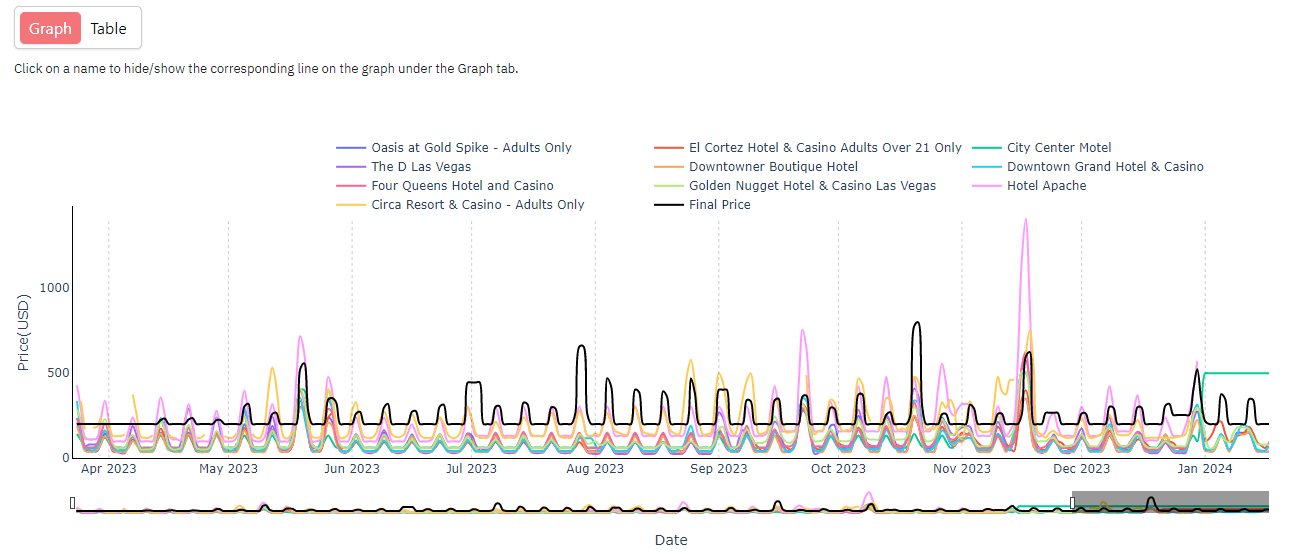
You don’t need a huge budget or a dedicated revenue team to adopt a sophisticated pricing strategy. PriceLabs is a machine-learning-powered platform specifically designed to empower independent hoteliers and small groups.
- Advanced ML Algorithms: PriceLabs’ AI analyzes demand patterns, seasonality trends, and competitive positioning across 150+ PMS/channel systems.
- Automated Rate Distribution: Our comprehensive integration ensures seamless, real-time rate distribution across all your booking channels, eliminating the burden of manual updates.
- Optimize RevPAR: Hotels that implement modern AI-driven dynamic pricing often see revenue growth within the first year of adoption. PriceLabs helps you achieve these measurable gains by continuously adjusting your rates to outperform market averages.
- Intuitive Control: You have complete control to customize pricing based on specific factors such as length of stay, seasonality, or booking window, ensuring the system aligns perfectly with your revenue goals.
Wrapping Up: Making Dynamic Pricing Work for You
Dynamic pricing is the strategic advantage that allows small hotel groups to compete and win against larger chains. By automating complex calculations and leveraging real-time data, you can optimize your revenue potential and free up your team. The key is adopting a user-friendly, automated tool like PriceLabs, investing in proper training, and committing to continuous refinement. Overcome the barriers of time and resources—your competitive edge is waiting.
Frequently Asked Questions
What is dynamic pricing for small hotels, and how does it work?
Dynamic pricing is an automated strategy in which your hotel’s room rates adjust in real time based on current demand, competitor prices, and booking trends. The system uses AI to analyze market conditions and guest behavior, determining optimal rates that optimize revenue while maintaining a competitive price point.
Which factors should influence my hotel’s dynamic pricing decisions?
Key factors include local demand patterns (events, holidays), seasonality trends, real-time competitor rates, historical booking data, and current occupancy levels. Modern systems also analyze guest segmentation, advance booking patterns, and external factors such as weather to optimize rates.
Can small hotel groups benefit as much as large hotels from dynamic pricing?
Yes, they can. Modern tools democratize advanced revenue management, enabling small hotel groups to access the same analytical sophistication as large chains without a dedicated team. Small properties often see proportionally greater benefits because they are typically transitioning from less sophisticated, static pricing strategies.