



Relying on static seasonal rates to run a hotel in 2026 is a lot like trying to sail a ship across the ocean with a rudder that’s permanently locked in one direction. Sure, you might catch a good breeze eventually, but when the wind shifts, the storm hits, or a faster ship sails past you, you are entirely at the mercy of the elements. In today’s hyper-competitive hospitality landscape, relying on fixed pricing means you are either leaving money on the table during demand spikes or running empty rooms during unexpected lulls. To truly steer your property toward enhanced profitability, you need to constantly adjust your sails—and that is exactly why adopting hotel dynamic pricing software has transitioned from a luxury to an absolute necessity.
Why 2026 is the Year to Ditch Static Pricing

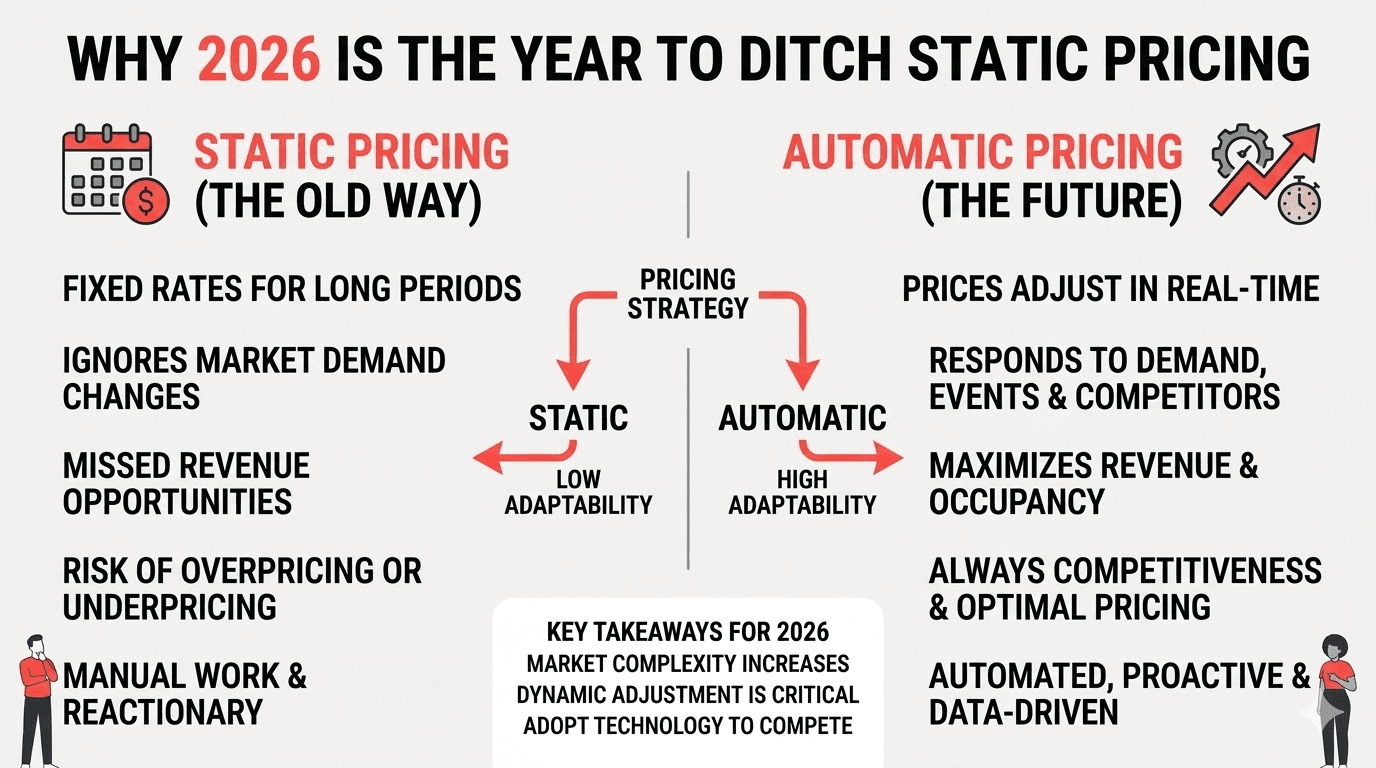
The days of setting a “high season” and “low season” rate and calling it a day are long gone. Today’s travelers book across multiple channels, compare rates in seconds, and are influenced by everything from hyper-local events to sudden weather shifts. Managing this manually is a recipe for data overload and missed opportunities.
Modern hotel dynamic pricing software acts as your 24/7 revenue co-pilot. It tackles the age-old headache of balancing occupancy versus Average Daily Rate (ADR), ensuring you fill rooms without sacrificing profitability.
How PriceLabs Helps You Navigate

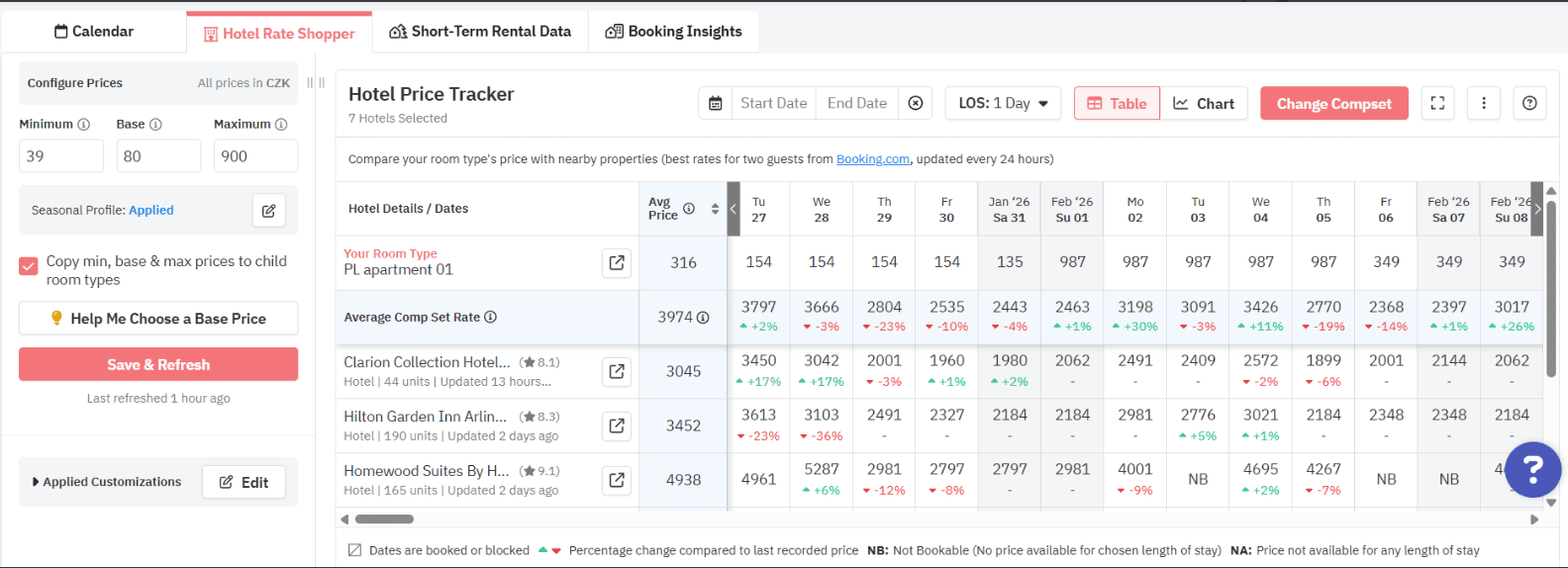
If you are tired of the guesswork, PriceLabs offers Base Price Guidance. It provides data-informed recommendations for setting your annual average rate, firmly grounded in your historical performance and current market conditions. From there, the Dynamic Pricing (Hyper Local Pulse) feature takes over, generating daily pricing recommendations using internal occupancy, lead time, seasonality, local events, and publicly available hotel market data. No more manual rate changes; the software automatically applies the right price without you lifting a finger.
Crafting a Winning Dynamic Pricing Strategy in Hotels
Having the right tool is only half the battle; knowing how to wield it is what separates market leaders from the rest. A robust dynamic pricing strategy in hotels requires granular control. You can’t just apply a blanket 10% increase across the board and expect optimal results. Different rooms have different demand curves.
Practical Tip: Segment Your Strategy
Don’t treat your standard king rooms the same as your luxury suites. Large group reservations might disrupt standard pricing strategies and inventory control, so your pricing must adapt to what is actually selling.
How PriceLabs Helps You Navigate

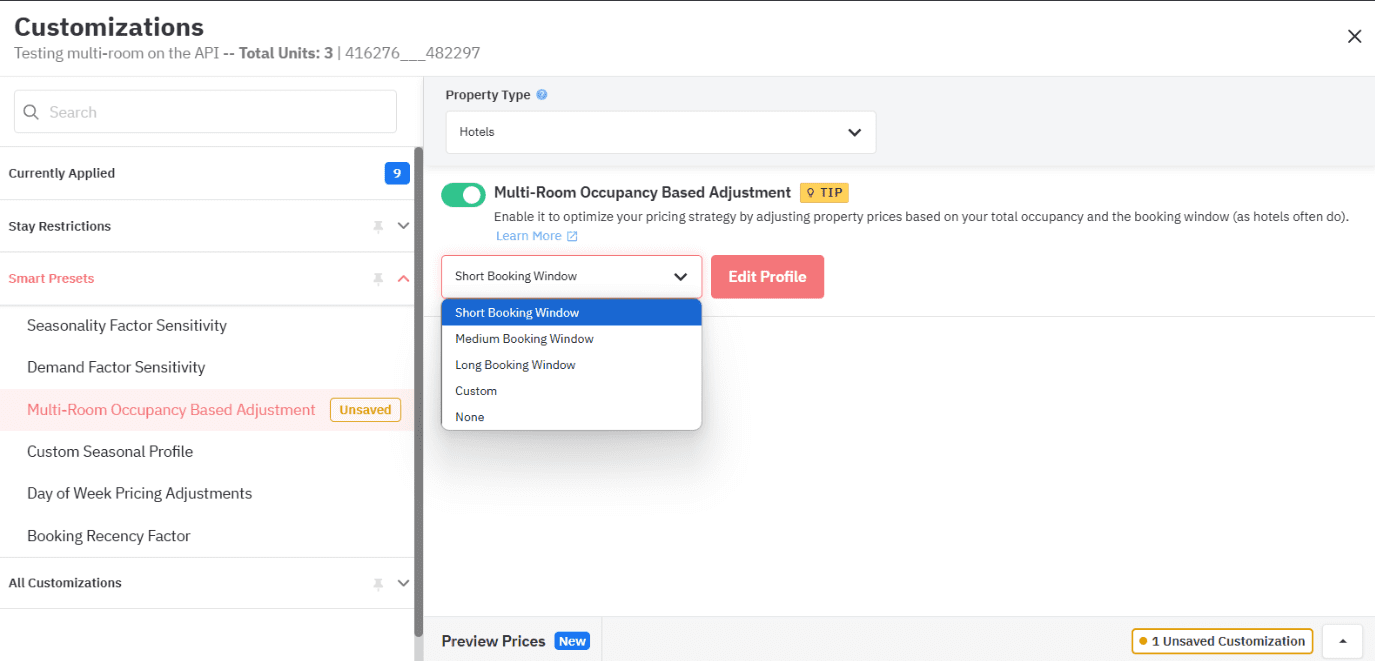
PriceLabs excels when advanced customization is required. Here is how you can set up a winning strategy within the platform:
- Room-Type Specific Pricing: Customize pricing strategies based on room categories, demand patterns, and booking windows. You can apply custom pricing rules to individual rooms without affecting broader property settings.
- Multi-Room Occupancy-Based Adjustments : Adjust pricing recommendations based on occupancy trends within specific room types. This is vital for supporting balanced sell-through across your entire inventory.
- Seasonal Profiles: Define distinct pricing and stay-rule strategies for peak, shoulder, and off-peak seasons effortlessly.
- Rate Plan Support (via select PMSs): Sync pricing recommendations across multiple rate plans, including your refundable and non-refundable options, ensuring you capture every type of traveler.
Mastering Competitive Benchmarking
You can’t price effectively in a vacuum. Understanding what your competitors are doing is a core function of modern Hotel revenue management systems (RMS). However, many hoteliers face data overload—they want faster insights rather than sifting through extensive, clunky analytics.
How-To Step: Building Your Comp Set
- Identify True Competitors: Don’t just look at the hotel next door. Look at properties with similar amenities, star ratings, and guest reviews.
- Monitor Consistently: Check their rates daily, especially for dates 30, 60, and 90 days out.
- Adjust Your Position: Decide if your strategy is to match, undercut slightly, or price at a premium based on your unique value proposition.
How PriceLabs Helps You Navigate This

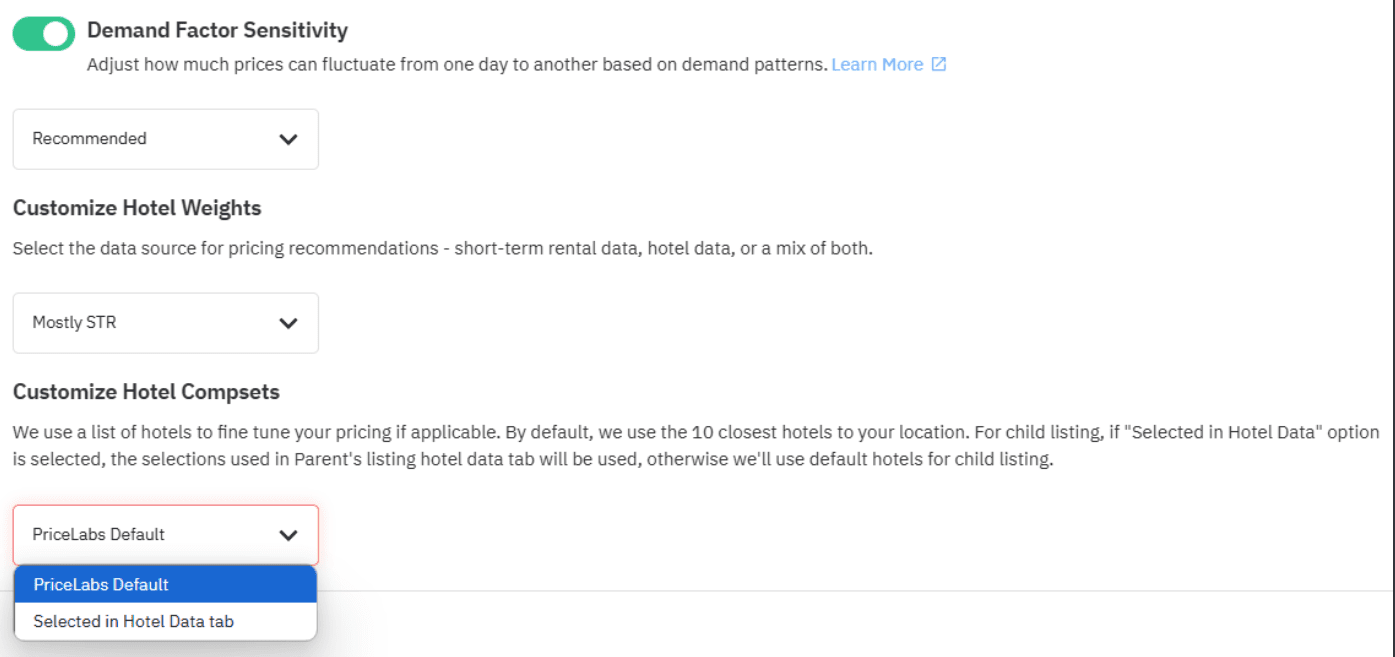
PriceLabs makes competitive intelligence seamless. You can see how your hotel is positioned before making pricing decisions:
- Hotel Data Tab / Rate Shopper: Monitor pricing trends across up to 350 nearby hotel-like properties, track recent rate changes, and identify high-demand periods using publicly available data that is refreshed regularly.
- Custom Comp Sets: Manually select specific rivals to benchmark against. This ensures your rates are influenced only by the properties guests actually consider alongside yours.
- Hotel Weights: If you operate in a market heavily dominated by short-term rentals (STRs), you can control the influence of hotel data versus STR data on your pricing recommendations. You can even use the Neighborhood Data Tab to analyze local STR pricing trends.
Adapting to Market Shifts and Booking Windows
Forecasting uncertainty is a massive pain point for hoteliers in 2026. You require reliable demand projections to plan promotions, but you also need automated tools to react quickly to unexpected demand changes. A top-tier hotel dynamic pricing software ensures you capture early birds while still capitalizing on last-minute panics.
Example: The Concert Surge
Imagine a major artist suddenly announces a tour date in your city. Within minutes, demand spikes. If you are manually updating rates, you will sell out at your lower, standard rate before you even hear the news. Automated software catches the demand signal and raises prices instantly.
How PriceLabs Helps You Navigate This

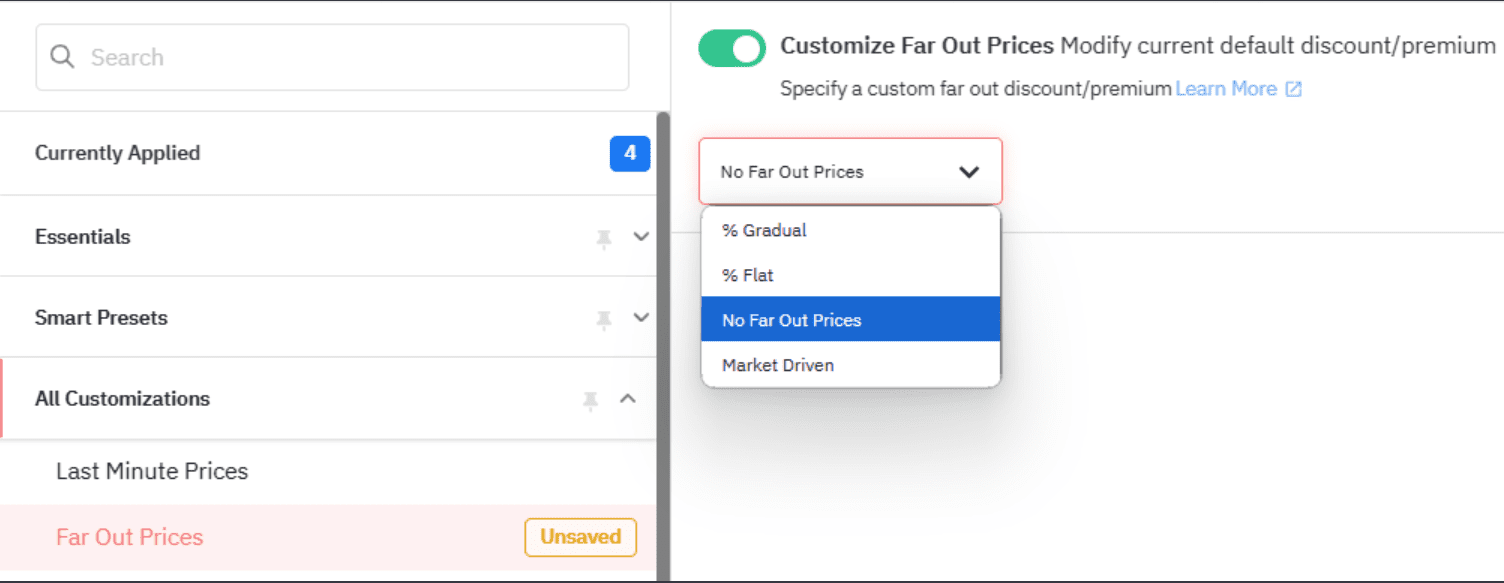
PriceLabs offers the automation needed to adapt swiftly:
- Real-Time Sync (Select PMSs): This high-frequency add-on uses webhooks to trigger up to 24 price updates per day instantly following new reservations or cancellations.
- Far-Out Pricing Adjustments: Shape pricing recommendations for dates far in advance to reflect long lead times, early demand signals, and seasonal expectations—helping you protect value.
- Last-Minute Pricing Adjustments: Conversely, adjust pricing recommendations for close-in dates based on occupancy, pickup, and market demand to support optimal occupancy.
- Minimum Stay Rules & Date-Specific Overrides: Adapt length-of-stay suggestions based on booking patterns. For massive events, use overrides to adjust pricing, stay restrictions, and availability tightly.
Defending Decisions and Workflow Efficiency
You need data-backed reports to defend your pricing decisions confidently. Furthermore, you need an automated pricing software for independent hotels that actually integrates with your current tech stack to avoid rate parity issues across OTAs and direct bookings.
How PriceLabs Helps You Navigate This
PriceLabs turns data into actionable, easy-to-digest evidence:
- Report Builder & Portfolio Analytics: Create custom reports using key hotel KPIs such as ADR, Occupancy, RevPAR, and pacing. Forecast your revenue and occupancy for the coming year, and track these metrics at the property, room-type, and room level. These automated reports deliver instant insights straight to your dashboard, making it easy to prove your strategy’s worth to owners.
- Seamless Integration: Integration concerns are a thing of the past. PriceLabs connects with 160+ Property Management Systems (PMS) and OTAs, ensuring automated rate syncing and real-time updates across all booking channels to maintain strict rate parity.
- Multi-User Access & Logs: Utilize role-based permissions for owners, revenue managers, and staff so everyone has the right level of visibility.
Conclusion
Embracing hotel dynamic pricing software in 2026 is the ultimate way to eliminate the guesswork from your revenue strategy. By leveraging real-time data, granular room-type customization, and automated competitor benchmarking, independent hotels can finally punch above their weight, balancing occupancy and ADR effortlessly while enhancing RevPAR.
Start by auditing your current pricing strategy. Are you manually changing rates? Are you losing sleep over unpredictable market shifts or rate parity issues? It is time to transition from static spreadsheets to a dynamic, automated solution. By integrating a sophisticated tool into your daily operations, you empower your team to focus on the guest experience while the software handles the complex math of revenue optimization behind the scenes.
Frequently Asked Questions (FAQ)
What is hotel dynamic pricing software?
Hotel dynamic pricing software is an automated tool that continuously adjusts room rates based on real-time market data, competitor pricing, seasonality, and your hotel’s internal occupancy. It ensures you are always selling the right room to the right guest at the optimal price.
How does a dynamic pricing strategy in hotels differ from static pricing?
Static pricing relies on fixed rates for specific seasons, rarely changing regardless of actual demand. A dynamic pricing strategy in hotels fluctuates daily—sometimes hourly—responding to hyper-local events, booking lead times, and sudden shifts in market demand to maximize revenue.
Can automated pricing software for independent hotels connect to my current systems?
Yes. Leading platforms act as a seamless extension of your tech stack. For example, modern solutions connect with over 160+ Property Management Systems and Channel Managers, ensuring that every time a rate is optimized, it automatically syncs across your direct site and all OTAs.
How do Hotel revenue management systems (RMS) handle sudden cancellations?
Advanced software monitors your inventory in real time. If a large group cancels, the system immediately recognizes the drop in occupancy and automatically adjusts your rates and minimum stay rules to stimulate new demand and quickly refill those rooms.