


Managing a hotel’s room rates with static spreadsheets is a lot like trying to sail a ship by locking the steering wheel in place before you leave the dock. You might catch a good breeze for a while, but the moment the wind shifts or a storm rolls in, you are completely at the mercy of the elements. In today’s fast-paced hospitality industry, traveler demand changes daily—sometimes hourly. To consistently fill rooms without sacrificing profitability, you need to constantly adjust your sails. This is exactly why upgrading to a PriceLabs adaptive seasonal pricing engine has become the ultimate game-changer for independent hoteliers looking to outmaneuver the competition, drive direct bookings, and enhance revenue.
Understanding PriceLabs’ Adaptive Seasonal Pricing Engine

For hotel owners and general managers wearing too many hats, balancing operations, guest experience, and complex revenue management can be overwhelming. An adaptive seasonal pricing engine refers to a system that uses real-time market data to automatically adjust your nightly rates based on seasonal demand, local events, and competitor pricing, seamlessly synchronizing across all your booking channels.
When you utilize the PriceLabs adaptive seasonal pricing engine, you are putting a powerful dynamic pricing software to work. It acts as your 24/7 revenue co-pilot, eliminating the uncertainty about pricing decisions and ensuring you never miss peak demand opportunities.
How PriceLabs Helps:
PriceLabs connects flawlessly with 160+ PMS & OTA Integrations. This ensures that the moment your optimal rate is calculated, it triggers automated rate syncing across your direct booking platforms, OTAs, and Channel Managers. You get the right price everywhere, instantly, without the complexity or budget drain of an enterprise RMS.
How the Engine Handles Seasonal Demand Fluctuations
A major pain point for revenue managers is forecasting uncertainty. How do you know exactly when the “high season” starts, and how much should you drop rates when it ends?
Dynamic pricing is a strategy where nightly rates are automatically optimized in response to changes in demand, competition, and local market trends, significantly reducing manual intervention. Instead of relying on gut feelings, your strategy becomes entirely data-driven.
Traditional Static Pricing vs. PriceLabs’ Adaptive Approach:
- Traditional: Set a flat “Summer Rate” and hope it matches demand.
- PriceLabs: Uses the Dynamic Pricing (Hyper Local Pulse) feature to generate daily pricing recommendations based on your internal occupancy, lead time, seasonality, local events, and publicly available hotel market data.
- Traditional: Drop rates across the board when occupancy looks low.
- PriceLabs: Utilizes Multi-Room Occupancy-Based Adjustments to adjust recommendations based on occupancy trends within specific room types, supporting balanced sell-through without underpricing your premium suites.
Managing Event-Driven Pricing Adjustments
Major local events, from massive conventions to sudden concert announcements, create huge spikes in local demand. If you are manually managing rates, you might wake up to find your entire hotel sold out at your lowest tier price before you even knew an event was happening.
How PriceLabs Helps:

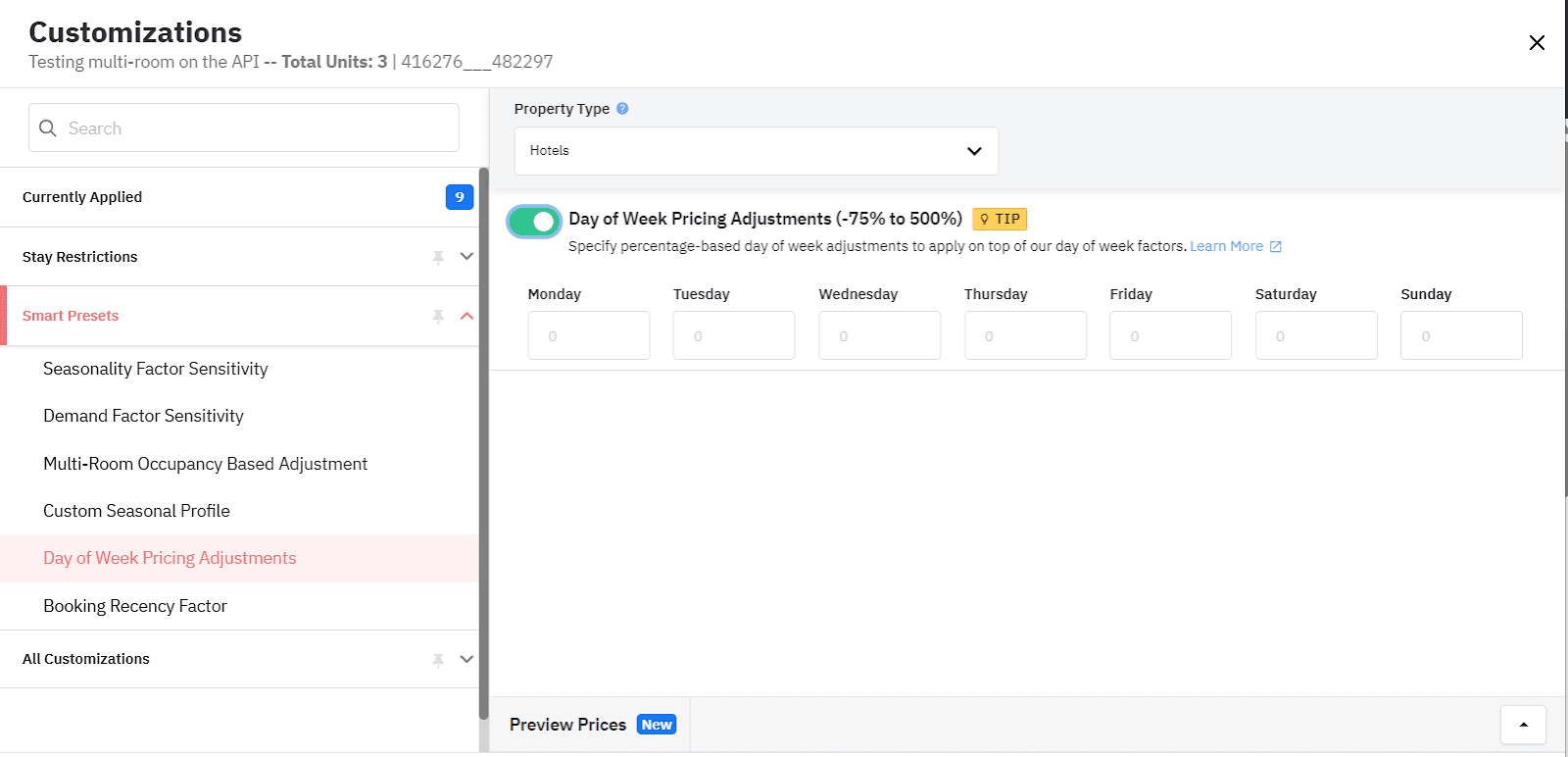
To capture this revenue, the PriceLabs adaptive seasonal pricing engine excels at event-driven pricing adjustments.
- Practical Tip: When you know a massive event is coming, utilize Day of the Week pricing Adjustments. This feature lets you adjust pricing, stay restrictions, and availability for high-demand dates. You can ensure that your rates automatically reflect the surge in demand, keeping your Average Daily Rate (ADR) highly profitable.
Integrating Pricing Across Channels for Direct Booking Growth
Hotels face a constant battle with OTAs, often paying high commissions (18-23%) while struggling to drive direct bookings. Furthermore, rate parity issues—ensuring consistent pricing across OTAs and direct bookings—can cause headaches and lost revenue.
How PriceLabs Helps:
By leaning on the PriceLabs adaptive seasonal pricing engine, you maintain strict control over your multi-channel strategy.
- Real-Time Sync (Select PMSs): This high-frequency add-on uses webhooks to trigger up to 24 price updates per day instantly following new reservations or cancellations.
- Rate Plan Support: Sync pricing recommendations across multiple rate plans, including refundable and non-refundable options. Because PriceLabs automatically updates your direct booking engine alongside OTAs, you can confidently offer exclusive direct-booking perks (like flexible check-outs) knowing your base pricing is always perfectly aligned and competitive.
Leveraging Custom Seasonal Profiles

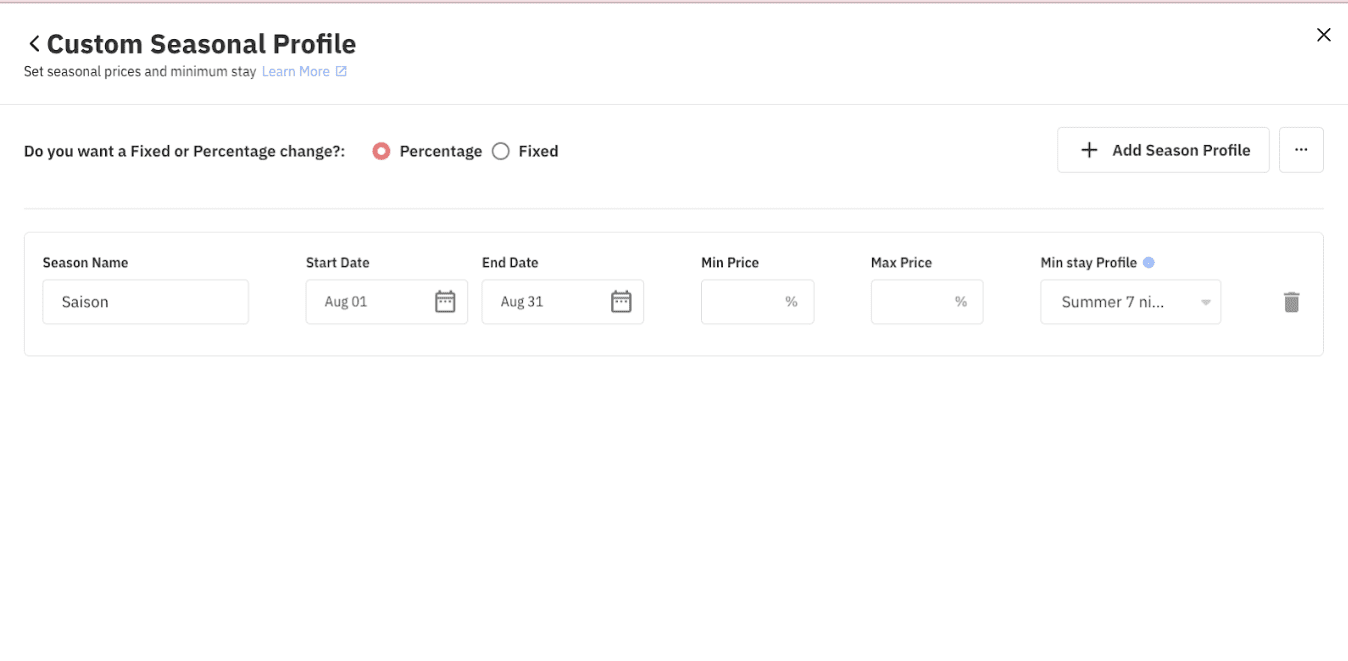
Every hotel has unique nuances. A corporate hotel downtown experiences completely different seasonal demand than a beachfront boutique hotel. A Custom Seasonal Profile allows managers to set distinct pricing rules and stay restrictions for defined seasons or date ranges.
How PriceLabs Helps:
PriceLabs gives you full control and zero hassle. You can define highly specific rules that the algorithm will follow automatically:
- Seasonal Profiles: Define distinct pricing and stay-rule strategies for peak, shoulder, and off-peak seasons.
- Room-Type Specific Pricing: Customize strategies based on room categories, demand patterns, and booking windows. Apply rules to individual rooms without affecting the rest of the property.
| Feature | Best Used For | Revenue Impact |
| Seasonal Profiles | Setting long-term rules for distinct periods (e.g., Summer Peak vs. Winter Low). | Balances base occupancy and ADR predictably. |
| Date-Specific Overrides | Holidays, local festivals, or massive group bookings. | Maximizes ADR during sudden demand spikes. |
| Room-Type Pricing | Differentiating standard rooms from luxury suites. | Ensures premium inventory isn’t sold cheaply. |
Tactical Strategies for Shoulder and Off-Peak Seasons

Empty rooms during off-peak seasons are a major revenue drain. However, simply slashing your prices to the absolute bottom can attract the wrong clientele and devalue your brand.
How to Execute This with PriceLabs:
- Minimum Stay Rules: Adapt length-of-stay suggestions based on booking patterns. Shorten your minimum stays during low-demand periods to capture quick overnight travelers.
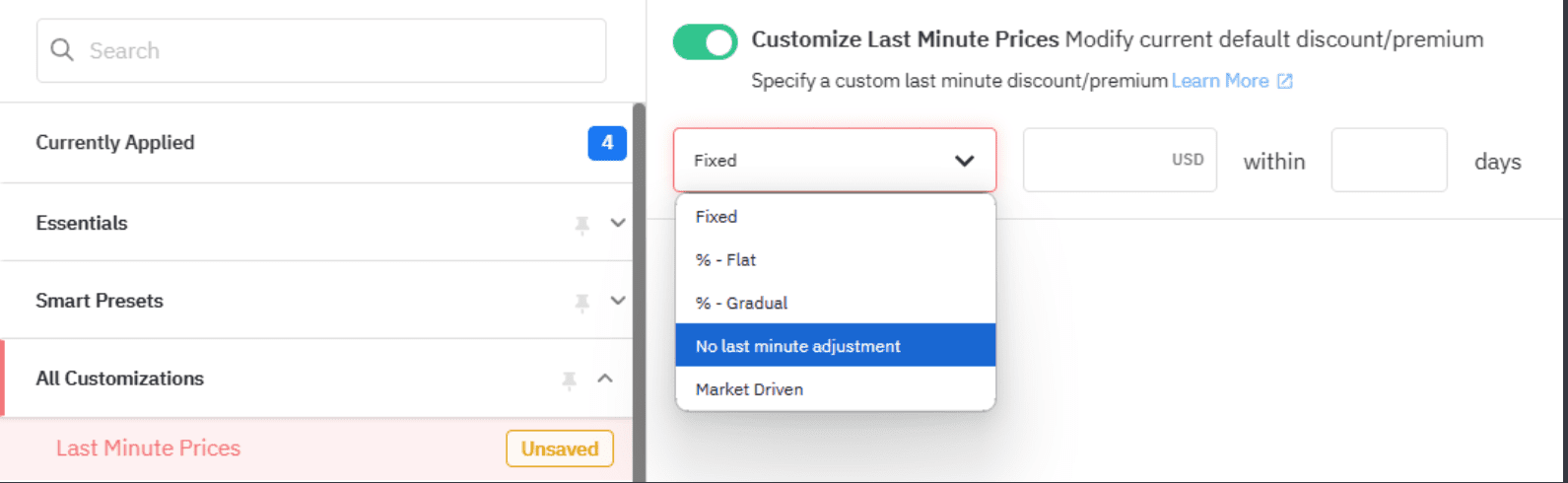
- Last-Minute Pricing Adjustments: Adjust pricing recommendations for close-in dates based on occupancy, pickup, and market demand to support optimal occupancy without lifting a finger.
Operational Best Practices to Enhance Revenue and Direct Bookings
Effective multi-property revenue management requires shifting your focus from manual data entry to strategic growth.
How PriceLabs Helps:
Instead of sifting through extensive analytics that cause data overload, rely on Base Price Guidance to set a data-informed annual average rate. From there, let the automation handle the daily fluctuations.
- Competitive Benchmarking: Use the Hotel Data Tab (Rate Shopper) to monitor pricing trends across up to 350 nearby hotel-like properties. You can even create Custom Comp Sets to ensure your rates are influenced only by the properties guests actually consider alongside yours. This saves you hours of manual tracking.
Monitoring Performance with Pricing Analytics and Market Insights

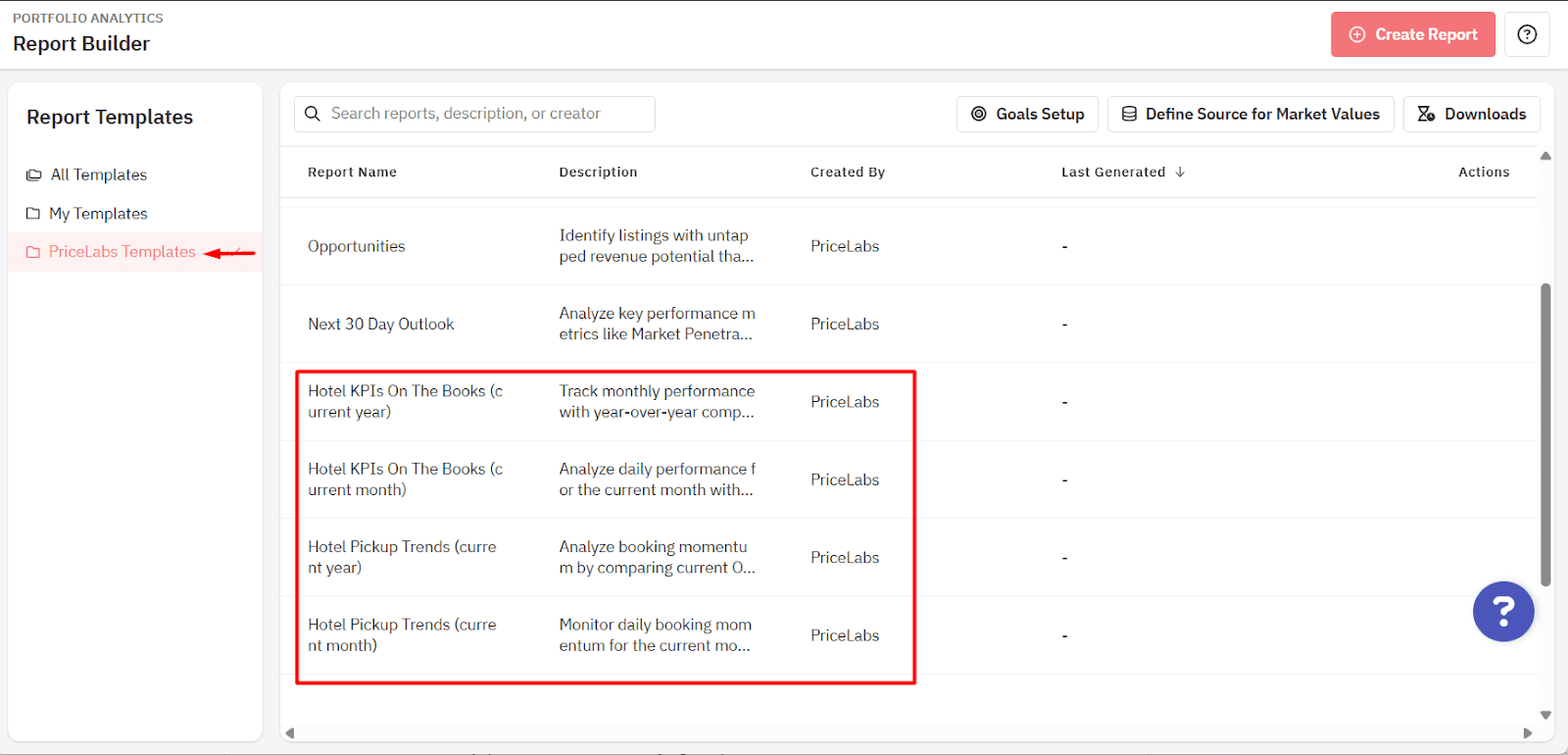
To justify pricing changes to owners or stakeholders, you need clear, data-backed reports instead of gut feelings. Booking pace—the rate at which reservations accumulate for future dates—is a critical metric to watch.
How PriceLabs Helps:
- Report Builder: Create custom reports using key hotel KPIs such as ADR, Occupancy, RevPAR, and pacing. You can also forecast your revenue and occupancy for the coming year.
- Portfolio Analytics: Track key hotel KPIs at the property, room-type, and room level for better decision-making. You get real-time updates delivered straight to your dashboard.
Conclusion
Overcoming the challenges of manual rate management,OTA dependency, and unpredictable market shifts doesn’t require an expensive enterprise solution. By implementing the PriceLabs adaptive seasonal pricing engine, independent hotel owners and revenue managers can leverage powerful AI to ensure they are always offering the right price. From automating competitor intelligence to perfectly timing last-minute discounts, this dynamic pricing software transforms uncertainty into measurable revenue growth.
The Way Forward
Take a step back and evaluate how much time your team spends adjusting rates manually. If you are struggling with owner pushback, missing peak demand opportunities, or dealing with rate parity issues, it is time to automate. Start by defining your Custom Comp Sets and exploring your Seasonal Profiles. By letting technology handle the math, you can focus on what truly matters: delivering an unforgettable guest experience that keeps them booking directly with you time and time again.
Frequently Asked Questions
What is PriceLabs’ Adaptive Seasonal Pricing Engine?
The PriceLabs adaptive seasonal pricing engine uses advanced algorithms and real-time market data to automatically adjust nightly rates for seasons, local events, and demand shifts. It helps hotel owners optimize revenue and maintain rate parity without manual updates.
How does PriceLabs handle seasonal demand changes?
PriceLabs uses its Dynamic Pricing (Hyper Local Pulse) to generate daily pricing recommendations based on internal occupancy, lead time, seasonality, and publicly available hotel market data, raising prices for peak periods and adjusting them for slower months.
Can I set special pricing for holidays or local events?
Yes. You can use Date-Specific Overrides to forcefully adjust pricing, stay restrictions, and availability for high-demand dates, allowing you to easily manage event-driven pricing adjustments.
How does PriceLabs synchronize prices across OTAs and direct booking channels?
PriceLabs offers 160+ PMS & OTA Integrations. It automatically syncs your optimized rates across all booking channels, ensuring real-time rate parity and eliminating manual updates.
What strategies work best for shoulder or off-peak seasons?
Adapting Minimum Stay Rules to allow shorter stays and enabling Last-Minute Pricing Adjustments are excellent ways to capture close-in demand and boost occupancy during off-peak periods.
How do I track the impact of adaptive pricing on my revenue?
PriceLabs features a Report Builder and Portfolio Analytics that allow you to track key hotel KPIs like ADR, Occupancy, RevPAR, and pacing at the property, room-type, and room level, delivering automated insights directly to your dashboard.