


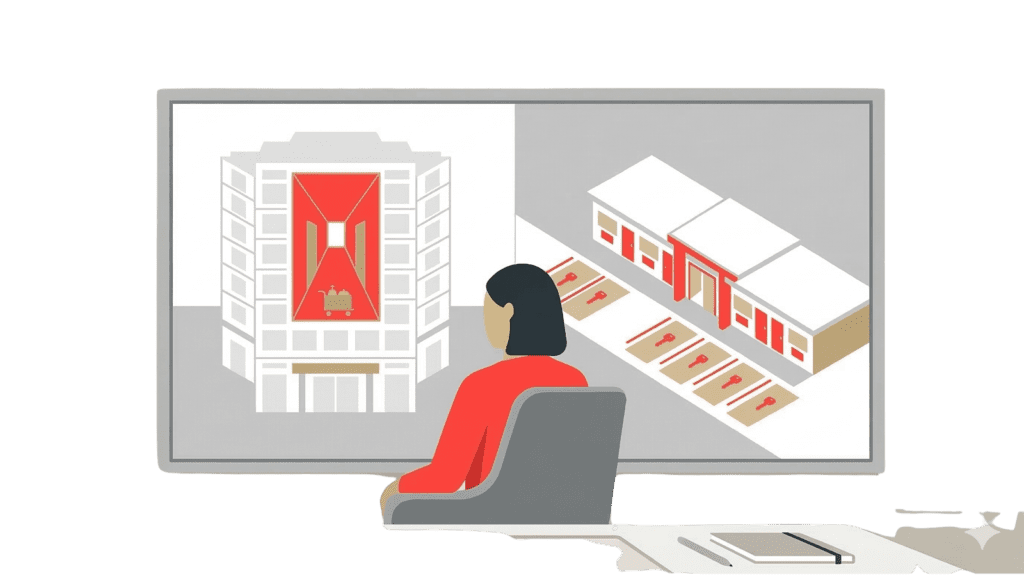
Think of the hospitality industry like the restaurant business: a hotel is your classic sit-down dining experience where guests linger for the ambiance, amenities, and service, while a motel is the efficient, drive-thru equivalent designed for speed, convenience, and a quick refresh before hitting the road again. For independent property owners and managers, understanding exactly what’s the difference between a hotel and a motel isn’t just about semantics; it is about defining your brand, targeting the right traveler, and enhancing your revenue. Let’s break down the five key differences between a motel and a hotel, and how you can leverage these distinctions to boost your bottom line.
1. Architecture and Property Layout

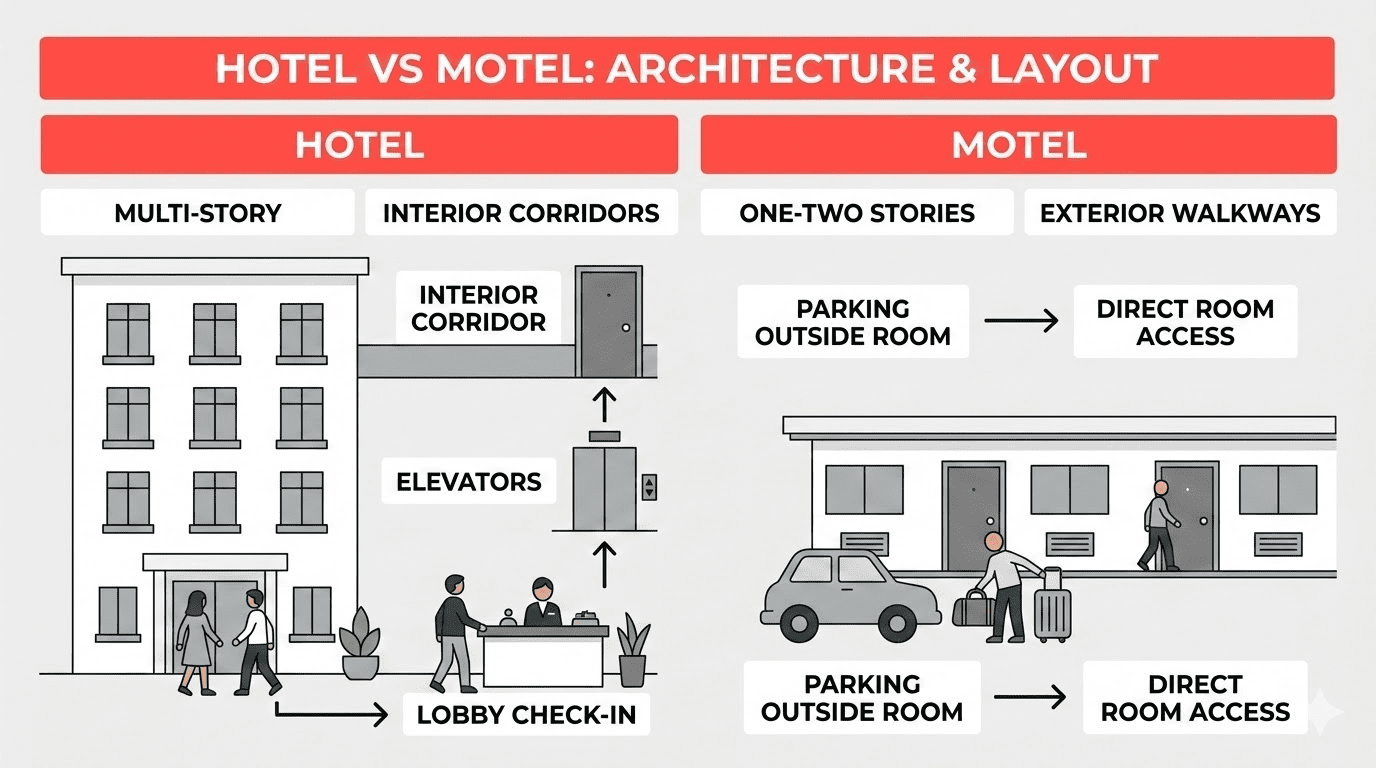
The most immediate visual difference between a hotel and a motel lies in the architecture. Hotels are typically multi-story buildings with interior corridors, elevators, and a central lobby where guests check in before navigating to their rooms.
Motels—originally coined as “motor hotels”—are designed specifically for motorists. They usually feature one or two stories with exterior walkways. The defining feature is that guests can park their cars directly outside their room doors, making unloading luggage incredibly fast and easy.
Practical Tip: If you own a motel, highlight “park-at-your-door convenience” in your marketing. If you own a hotel, play up the security and climate-controlled comfort of your interior hallways.
How PriceLabs Fits In

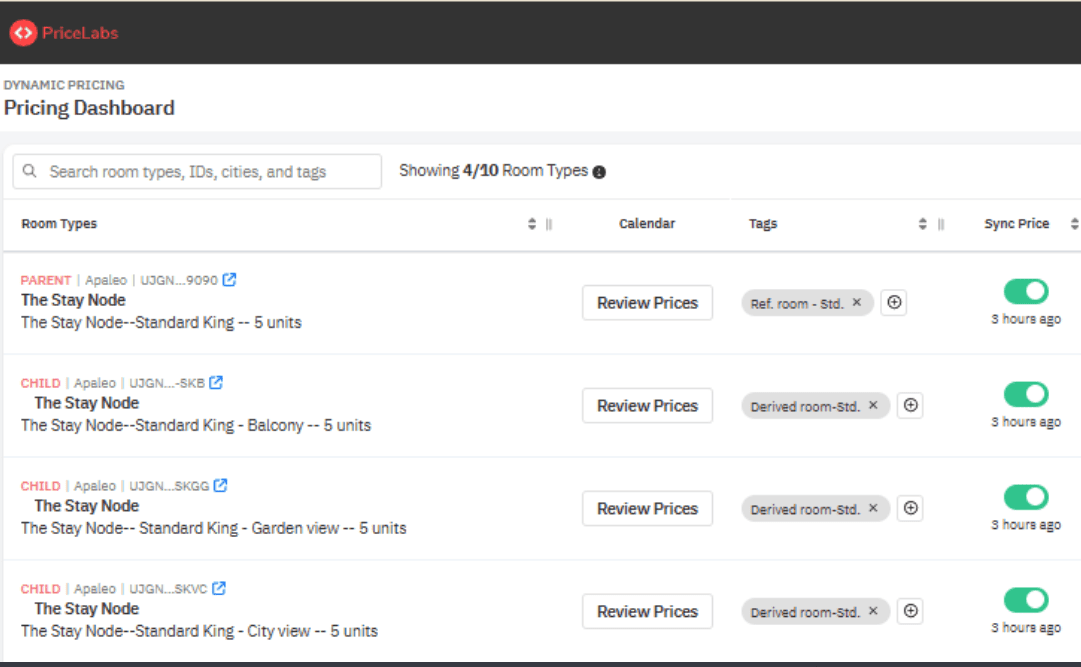
Whether your rooms face a scenic city skyline or a highway parking lot, not all rooms are valued equally by guests. On PriceLabs, you can easily set up child listings or room-type offsets. This allows you to automatically price your premium interior suites higher than your standard exterior-access rooms, ensuring you capture maximum value based on your specific layout.
2. Location and Target Audience
Where a property is built tells you exactly who it is trying to attract. Hotels are destination-oriented. You will find them in bustling city centers, right next to major airports, or nestled in resort towns. Their target audience includes vacationers, business travelers attending conferences, and tourists planning to explore a specific area for several days.
Motels, on the other hand, are transit-oriented. They are strategically placed along major highways, interstate exits, and rural routes. The target audience is the road-tripper, the long-haul trucker, or the traveler who simply needs a safe place to sleep for the night before continuing their journey.
How-To Step: Audit Your Target Audience
- Look at your guest data from the last six months.
- Identify the primary reason they booked (e.g., passing through vs. local events).
- Tailor your OTA (Online Travel Agency) descriptions to match that intent.
How PriceLabs Fits In: Location dictates demand. By using the PriceLabs Market Dashboards, you can analyze the specific booking trends in your micro-location. If your hotel is downtown, PriceLabs will help you capitalize on local festivals or conferences. If your motel is on a highway, the dashboard helps you spot consistent, week-over-week transit trends so you know exactly when demand peaks.
3. Amenities and Guest Services
When comparing hotel vs motel amenities, the gap is usually quite wide. Hotels operate as full-service or select-service establishments. They offer a comprehensive experience: think on-site restaurants, fitness centers, swimming pools, concierge services, and daily housekeeping. The goal is to keep the guest comfortable and entertained on the property.
Motels stick strictly to the bare essentials. The focus is on a clean bed, a hot shower, and perhaps a simple complimentary breakfast (like a coffee and pastry station in the front office). You won’t find a spa or room service at a traditional motel.
How PriceLabs Fits In: Your amenities dictate who you compete against. On PriceLabs, it is crucial to navigate to the Hotel Rate Shopper feature and build a custom comp-set. If you run a bare-bones motel, PriceLabs allows you to filter out the luxury hotels in your zip code, ensuring your automated pricing algorithm only reacts to properties with similar amenities. This prevents you from overpricing your rooms based on a neighboring luxury resort’s data.
4. Typical Length of Stay (LOS)
Because of the differences in location and amenities, the typical length of stay varies drastically between the two. Hotel guests usually book multi-night stays. Whether it is a three-day business trip or a week-long family vacation, the hotel serves as a home base.
Motel guests are transient. The vast majority of motel bookings are single-night stays. Guests arrive late in the evening, sleep, and check out early the next morning to get back on the road.
How PriceLabs Fits In: Managing Length of Stay is a massive revenue driver. For hotel managers, you can navigate to the Customizations tab in PriceLabs and set up strict Minimum Length of Stay (MinLOS) rules during busy weekends to prevent one-night bookings from blocking lucrative three-day reservations. For motel owners, you can use PriceLabs to push aggressive Last-Minute Pricing discounts to fill those single-night, walk-in gaps that are so common in roadside lodging.
5. Pricing Strategies and Cost Structures
Ultimately, the hotel and motel business models rely on different financial strategies. Hotels require higher staffing levels, more maintenance, and higher operational costs. Therefore, their pricing strategy relies on charging premium rates for the “experience” and value-added services.
Motels have incredibly low overhead. With fewer staff and minimal facilities to maintain, they can offer highly competitive, budget-friendly rates. A motel’s pricing strategy is built on volume and high turnover rather than premium per-night yields.
Example: A boutique hotel might charge $250/night and target a 65% occupancy rate to be profitable. A roadside motel might charge $75/night but needs an 85% occupancy rate to hit its revenue goals.
How PriceLabs Fits In

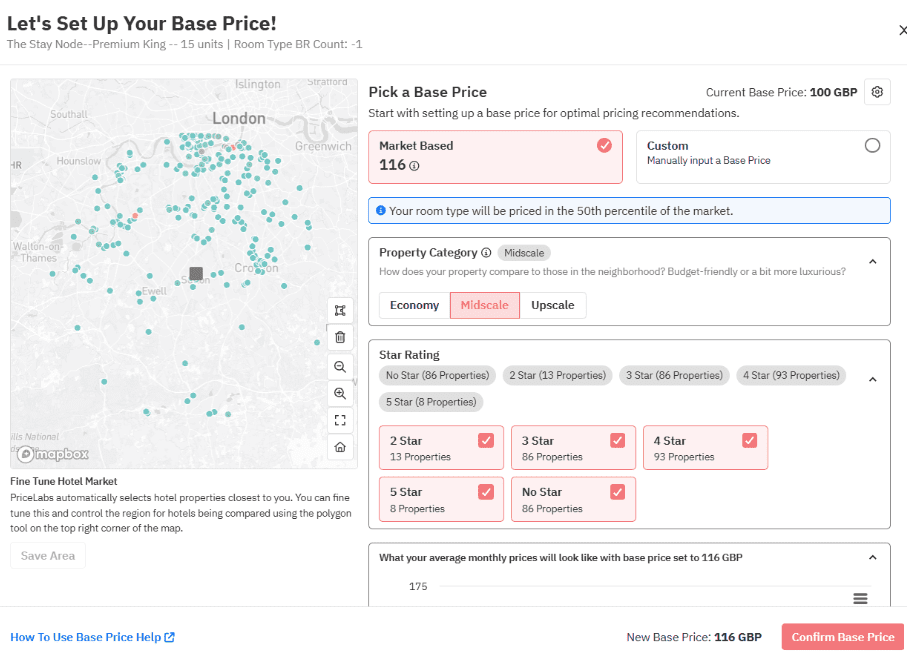
PriceLabs allows you to define your Base Price and customize your algorithm’s aggressiveness. If you are a motel manager focused on high volume, you can tweak your PriceLabs profile to prioritize occupancy, automatically dropping rates to capture budget-conscious road trippers. If you are a hotel manager, you can set the algorithm to prioritize high RevPAR (Revenue Per Available Room), holding your rates steady to capture travelers willing to pay a premium for your amenities.
Way Forward
Whether you are running a sprawling downtown hotel or a cozy highway-side motel, understanding your property’s distinct identity is the first step toward better management. Hotels sell an experience and a destination, while motels sell convenience and efficiency. As you move forward, the secret to outperforming your local competition isn’t trying to be something you’re not; it is about optimizing the specific type of inventory you have. By pairing your operational knowledge with an automated revenue management system like PriceLabs, you can ensure that your pricing perfectly aligns with your property type, target audience, and local market demand.
Frequently Asked Questions (FAQs)
Is a motel cheaper than a hotel?
Generally, yes. Because motels offer fewer amenities, require less staff, and have lower operational costs, they can pass those savings on to the guest. Hotels charge more to cover the costs of interior hallways, elevators, pools, and on-site dining.
What does the word “motel” stand for?
The word “motel” is a portmanteau (a blend of two words): “motor” and “hotel.” It was coined in the 1920s as car travel became popular in the United States, specifically to describe lodging built to accommodate motorists.
Can a motel be converted into a hotel?
It is difficult but possible. Converting a motel into a boutique hotel usually involves a massive renovation. Owners will often enclose the exterior walkways, upgrade the room interiors significantly, add higher-end amenities like a lobby bar or pool, and completely rebrand the property to attract destination travelers rather than transient road-trippers.