Get started with PriceLabs now!
Want to learn what PriceLabs can do for you? See for yourself with a free trial. Get started now!
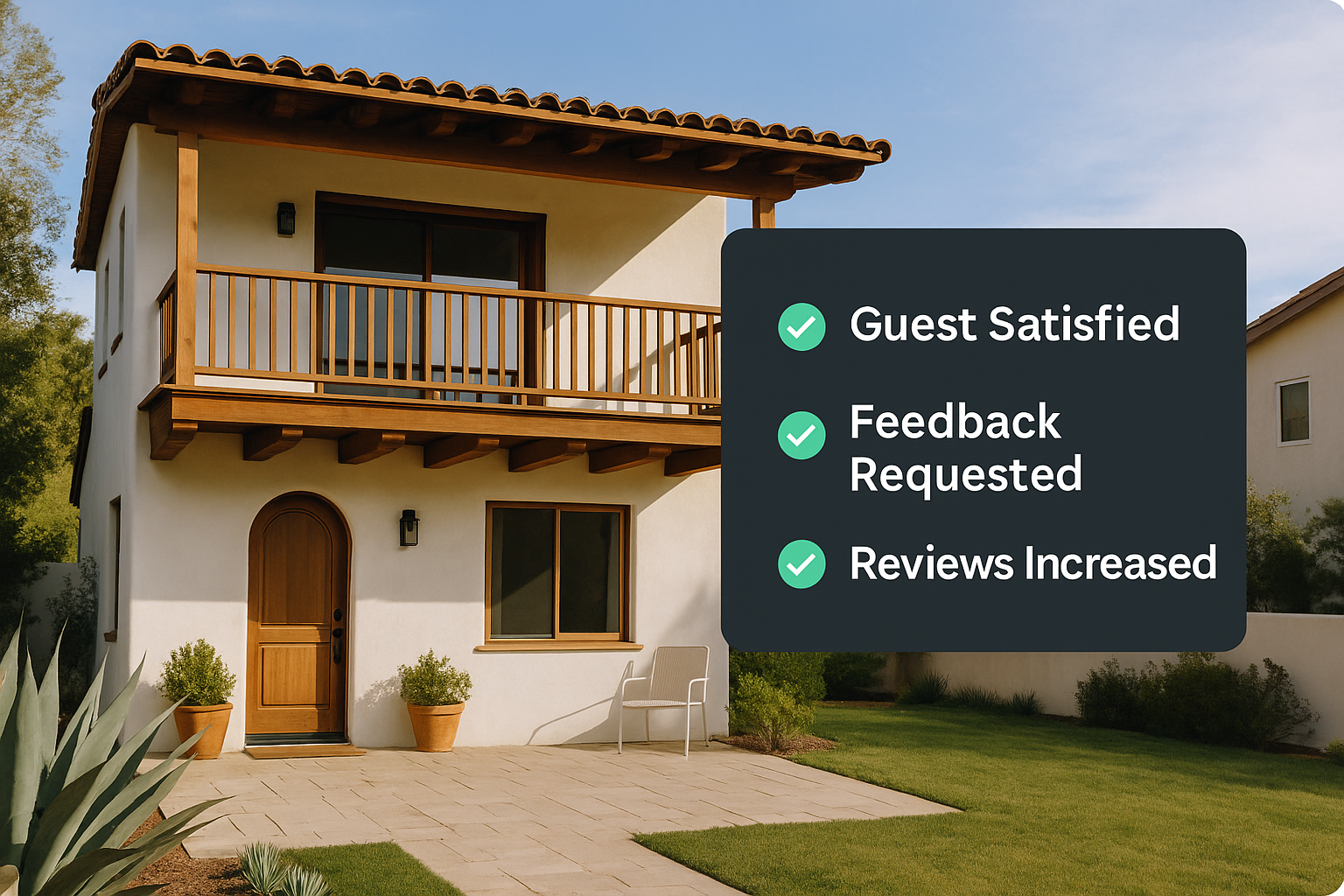
Reviews shape everything from where your listing lands in Airbnb search to whether a hesitant guest clicks "book." This guide picks up right where becoming an Airbnb host leaves off: the specific, repeatable habits that get more guests to leave a review, how to avoid earning a bad one in the first place, and how to handle it when a critical review shows up anyway.
An Airbnb review is a star rating (up to five stars) plus an optional written comment, left within 14 days of checkout. Hosts and guests both review each other through a double-blind system: neither side sees the other's review until both are submitted or the window closes.
Reviews affect three things directly: your placement in Airbnb search, a prospective guest's trust in your listing before they've stayed there, and your eligibility for Superhost status and badges like Guest Favorite.
Guests rate several categories (cleanliness, accuracy, communication, check-in, value) but Overall Experience carries the most weight, and it's the one that compounds: a strong Overall Experience score brings in more bookings, which brings in more reviews. That loop is the core of what reputation management actually means for a short-term rental.
Airbnb's double-blind system rewards reciprocity. Hosts who leave a review for their guest promptly after checkout see meaningfully higher return rates on their own reviews, likely because a completed review nudges the guest to open the app and finish theirs. Keeping a few message templates for hosts ready for this exact moment removes the friction that otherwise causes hosts to put it off. A few starting points:
Cleanliness and accuracy get you to average. Local guides, a genuinely useful welcome note, and clear instructions for the Wi-Fi and appliances are what push a guest from "fine" to "five stars." Pricing plays a quieter role here too: a listing that's priced out of step with the market either sits empty or gets booked by guests who feel like they overpaid, and neither outcome produces a great review. Dynamic pricing keeps your rate aligned with what the market actually supports, which is part of what a strong Airbnb search ranking rewards in the first place.
A short thank-you message after checkout, with a polite ask to share their experience, converts better than silence. Keep it warm and specific rather than generic, and never offer an incentive in exchange for a review; Airbnb prohibits it, and it tends to read as insincere anyway. The detailed, glowing reviews that actually move a listing toward Guest Favorite status tend to come from guests who felt genuinely thanked, not just asked.
A small card in a well-designed welcome book, something like "Enjoyed your stay? A quick review would mean a lot," works better as a gentle nudge than a hard ask. Automating this kind of guest touchpoint, alongside check-in instructions and message timing, is one of the areas where workflow automation for hosts tends to pay for itself once you're running more than one or two listings.
Most negative reviews trace back to one of three things: the listing didn't match its description, an issue wasn't handled quickly, or the guest felt unsupported once something went wrong.
Keep photos and descriptions honest and current. Overpromising creates the exact disappointment that shows up in a 3-star review a week later. If parking is tight or the Wi-Fi is slow, say so upfront; guests forgive a limitation they knew about going in far more easily than one they discover on arrival.
When something does break, mid-stay, respond fast. A guest who hears back within the hour about a broken appliance is a very different reviewer than one who's ignored for a day. A clear welcome letter with emergency contacts and basic house information heads off a lot of these issues before they start.
Every host gets one eventually. A few things matter more than the review itself:
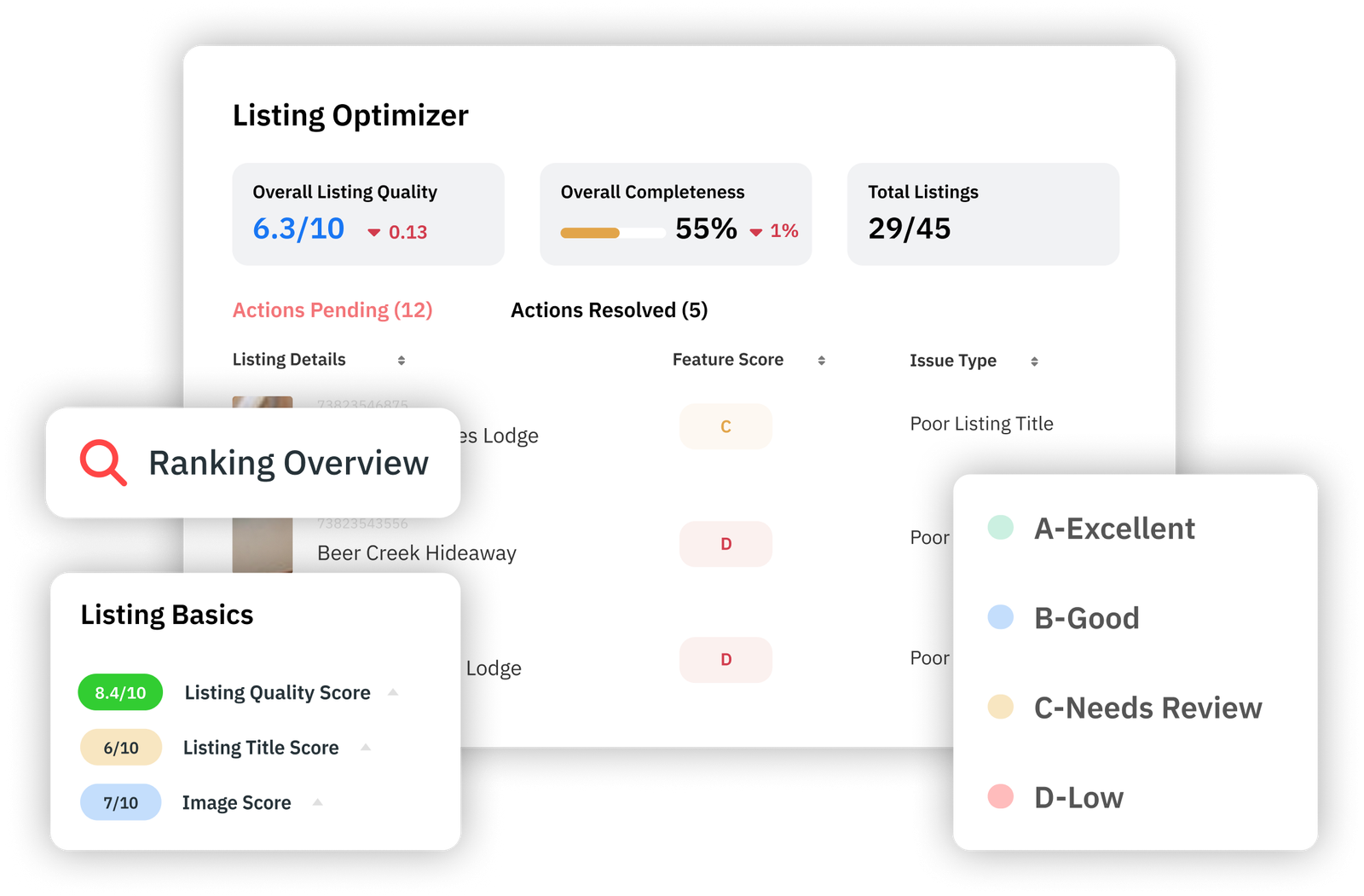
Your review pattern usually tracks your booking pattern. Comparing your listing's performance against similar properties nearby, and personalizing the guest experience using what that comparison tells you, catches problems before they show up as a string of average reviews. Keeping your rates and minimum-stay rules synced across every channel you list on removes one more way a guest ends up frustrated before they've even checked in.
Airbnb doesn't set a fixed review count, but it does require a 4.8+ overall rating alongside minimum stay and response-rate thresholds over a rolling 12 months. Reaching Superhost status tends to follow naturally once your review pattern is consistently strong.
No. Airbnb's policy prohibits incentivizing reviews in any form, and hosts who do risk a policy violation on top of a review that reads as less credible to future guests.
14 days from checkout. If neither host nor guest submits within that window, no review is posted for that stay.
Yes, within 48 hours of the original post, which is why a prompt, respectful private conversation after a bad review is worth attempting.
Future guests read host responses as a signal of how problems get handled generally, so a brief, gracious reply often does more for your listing's credibility than the negative review costs it.
Want to learn what PriceLabs can do for you? See for yourself with a free trial. Get started now!