Get started with PriceLabs now!
Want to learn what PriceLabs can do for you? See for yourself with a free trial. Get started now!

Are you a property manager navigating the maze of vacation rental laws in Germany, Austria, or Switzerland? If so, you already know that the DACH region’s booming short-term rental market comes with a web of complex, ever-changing regulations that can make or break your business. From strict city caps in Berlin and Vienna to evolving permit requirements in Zurich and Lucerne, staying compliant with the DACH vacation rental laws isn’t just a legal necessity—it’s the key to unlocking your property’s full earning potential.
In this comprehensive guide, we break down the latest rules for every major DACH city, reveal actionable tips for thriving within the legal framework, and share expert insights to help you turn regulatory challenges into profitable opportunities. Read on to future-proof your rental business.
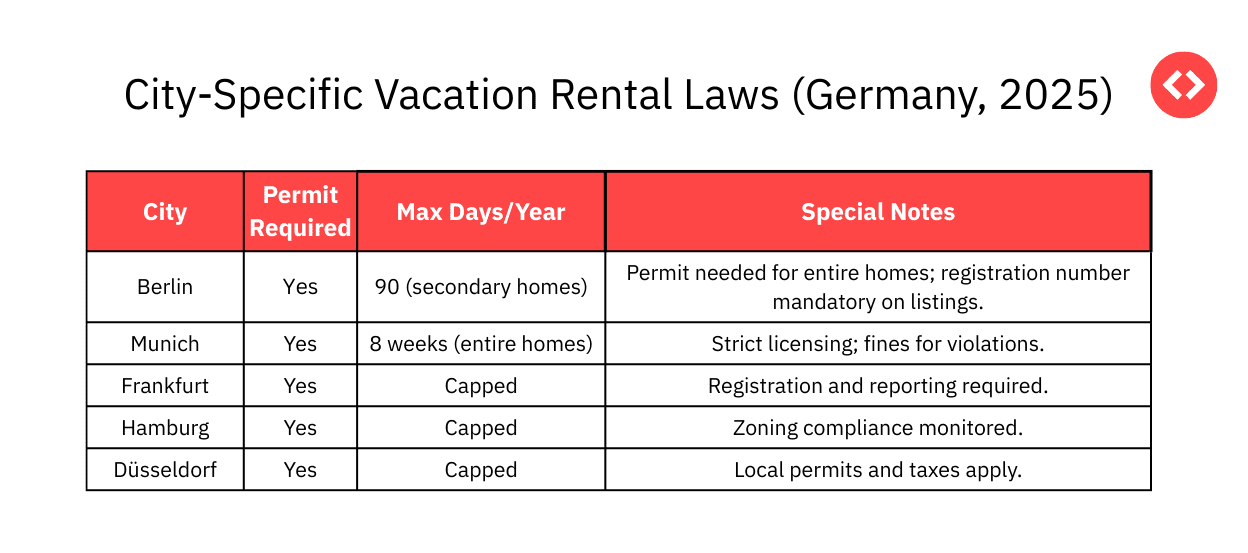
Germany’s approach to short-term rentals is highly decentralized. Major cities enact their own rules to combat housing shortages and protect local residents. Below are major German cities and their short-term rental laws,
Read More: Top Travel Trends 2025 in the DACH Market: Opportunities for Vacation Rental Property Managers
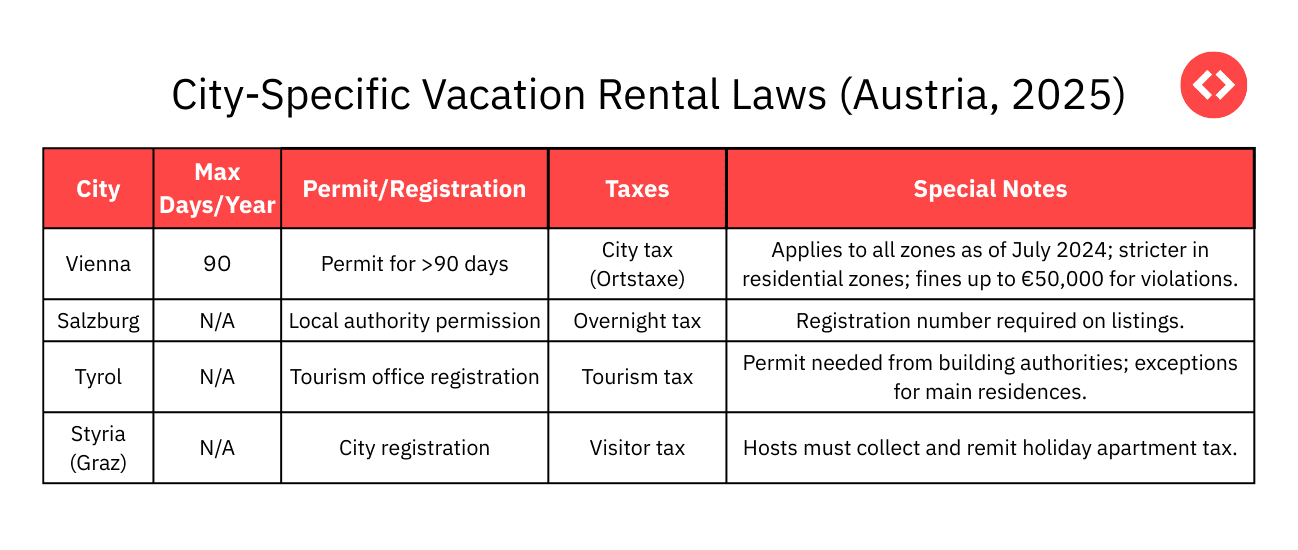
Austria’s vacation rental laws vary by state and city, with Vienna leading the way in strict regulation.
Read More:How to Optimize Short-term Rental Pricing Strategies for Mid-term Stays?
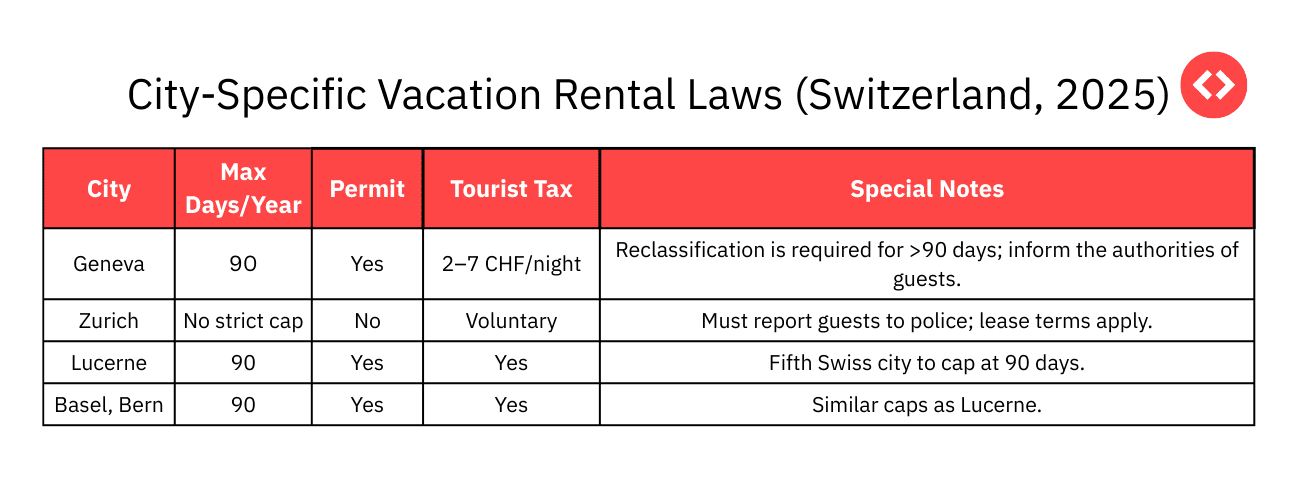
Swiss regulations are set at both the cantonal and municipal levels, with major tourist cities imposing strict caps.
Read More: Seasonality in DACH Vacation Rentals: How to Maximize Revenue Year-Round
Successfully navigating vacation rental laws in the DACH region—Germany, Austria, and Switzerland—requires more than just listing your property online. Property managers face a complex regulatory landscape with each country and city enforcing its own evolving set of rules, from strict registration requirements and rental caps to new tax and energy standards. Below are some strategies that will help you navigate DACH vacation rental laws.
Many major cities in Germany, Austria, and Switzerland now restrict short-term rentals to primary residences. This means you must live in the property for most of the year and be able to provide supporting documentation, such as tax records or utility bills. Additionally, every short-term rental must be registered with the relevant local or national authority. Failing to do so can result in heavy fines and even your listing being removed from platforms. Begin the registration process early, and always keep copies of your permits and registration numbers handy for audits or inspections.
Municipalities across the DACH region are increasingly introducing annual caps on the number of days a property can be rented short-term, often set at 90 days per year. Some cities may also implement quotas for the total number of tourist accommodations allowed. Stay informed about your city’s specific rules and adjust your rental calendar accordingly to avoid exceeding legal limits. Consider using booking management tools to help track your rental days and ensure compliance.
Tax regulations are tightening, with reduced allowable deductions for rental income starting in 2025. Make sure you understand the new tax rates and how they affect your bottom line. In addition, many cities now require an up-to-date Energy Performance Diagnostic (EPD) for all rental properties. Not only do these certificates need to be displayed in your listing, but non-compliance can also lead to significant penalties. Schedule regular property assessments and work with certified professionals to keep your properties up to standard.
Given the rapid pace of regulatory changes, it’s crucial to maintain open lines of communication with local authorities and host associations. These organizations often provide timely updates on new laws, offer compliance workshops, and can advocate on your behalf if you encounter regulatory challenges. Join local property manager networks, attend city council meetings when relevant, and subscribe to official newsletters to stay ahead of the curve.
If your property is located in a building with a homeowners’ association (HOA) or is part of a condominium, be aware that new laws allow co-owners to more easily ban short-term rentals with a two-thirds majority vote. You are also required to inform the building’s trustee about any tourist rental activity. Review your building’s by-laws thoroughly, communicate openly with co-owners, and seek written permissions where possible to avoid sudden restrictions that could impact your business.
Modern property management software can be a game-changer for staying compliant. Use property management automation tools to digitize guest records, automate tax collection and reporting, track permit renewal dates, and monitor local regulatory changes. Automation not only reduces administrative workload but also minimizes the risk of accidental non-compliance.
If your city imposes strict caps on short-term rentals, consider offering mid-term stays (1–6 months) to business travelers, digital nomads, and relocating professionals. These guests often seek longer stays and are not subject to the same tourist short-term rental regulations. Adjust your marketing and pricing strategies to attract this audience and keep your occupancy rates high year-round.
Permit and license applications can take weeks or even months to process, especially in high-demand cities. Begin the application process as soon as possible and keep track of all correspondence with authorities. Having your paperwork in order ensures you can continue operations without interruption and demonstrates your commitment to compliance if questioned.
Display your registration numbers, energy certificates, and compliance badges prominently on all rental platforms. Not only does this reassure guests that your property is legal and safe, but it also protects your listings from being removed by platforms or flagged by local authorities. Transparency builds trust with both guests and regulators, giving you a competitive edge in the market.
Successfully managing vacation rentals in the DACH region requires more than great hospitality—it demands a deep understanding of a complex and evolving legal landscape. By staying informed about DACH vacation rental laws, securing all necessary permits, and adapting your rental strategies, you can confidently navigate the challenges and unlock the full earning potential of your properties.
Remember, compliance isn’t just about avoiding fines—it’s about building a sustainable, reputable business that guests and partners trust. Embrace the opportunities that come with change: diversify your offerings, target longer-stay guests, and leverage technology to streamline your operations. With diligence and adaptability, you can turn legal hurdles into competitive advantages and ensure your vacation rental business thrives in Germany, Austria, and Switzerland for years.
Want to learn what PriceLabs can do for you? See for yourself with a free trial. Get started now!