Get started with PriceLabs now!
Want to learn what PriceLabs can do for you? See for yourself with a free trial. Get started now!
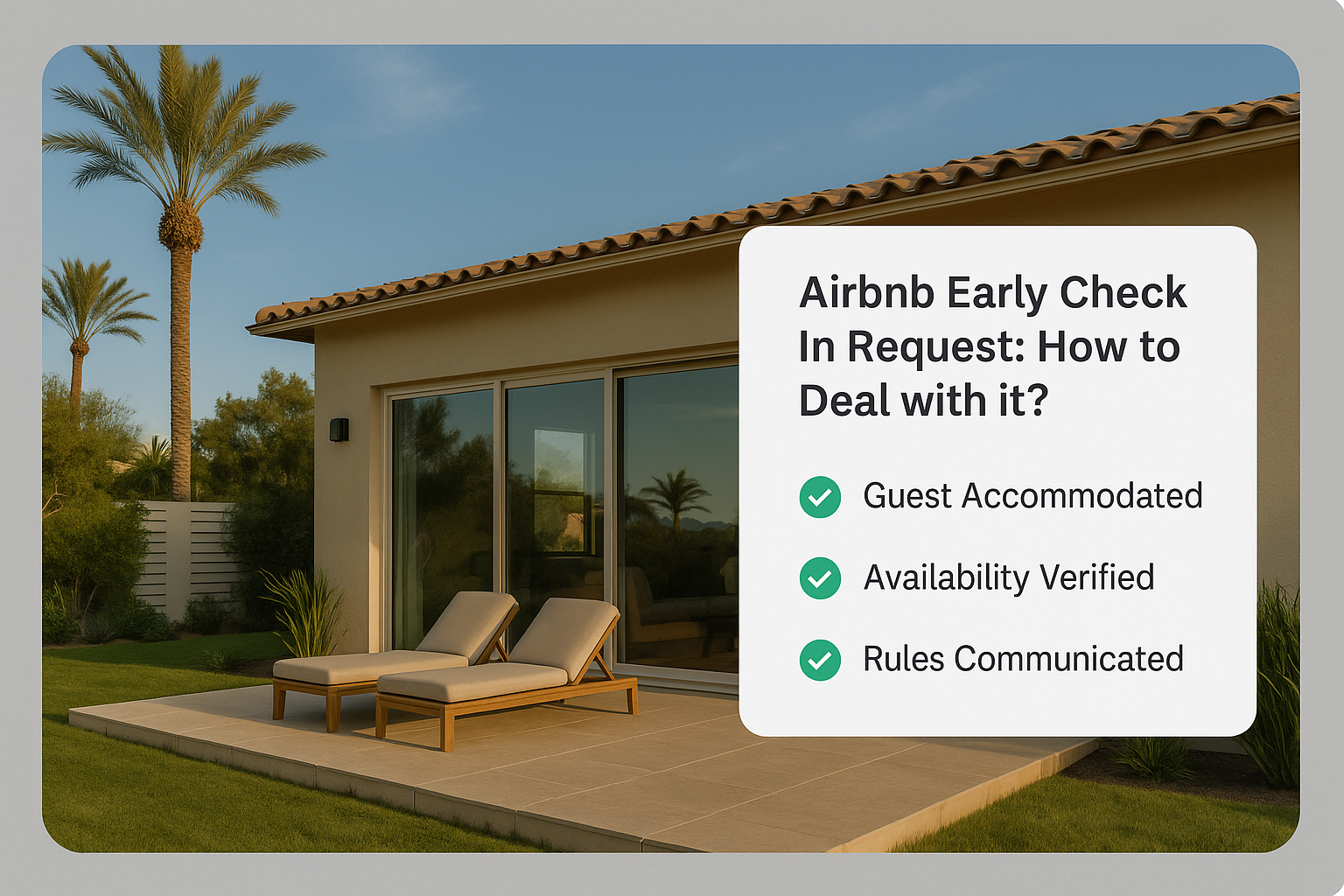
An early check-in request is one of the first real operational tests once a listing goes live. Guests ask because flights land at odd hours and road trips run long; hosts hesitate because the cleaning crew still needs the window between checkout and check-in to do its job. It's the kind of day-to-day decision that goes well beyond the basics of becoming an Airbnb host, so this guide fills in that specific gap: how to say yes when it costs you nothing, charge for it when it costs you something, and decline it without losing the guest's goodwill.
Most Airbnb listings default to a 3:00 PM check-in and an 11:00 AM checkout, though a host can set either time explicitly. That eight-hour gap exists for one reason: it's what cleaning crews need to turn a property around properly. The tighter that gap gets, the more an early check-in request turns into an operational decision rather than a friendly favor.
Stating your actual house rules clearly, including exactly how you handle early arrivals, heads off most of these requests before they ever reach your inbox as a last-minute ask.
Balancing what the guest wants against what your cleaning schedule can actually support comes down to a handful of situations, each with a different right answer.
A short pre-arrival message confirming the official check-in time, sent a few days out rather than the morning of, prevents most surprise early arrivals. Keeping a few ready-made message templates on hand makes this a thirty-second task instead of something you draft fresh for every booking. If your calendar shows nothing booked the night before, this is also the natural moment to offer early check-in proactively, rather than waiting for the guest to ask.
If an early check-in means paying your cleaner to rush or come in on short notice, that's a real cost, and it's fair to pass some of it on. A flat fee for an 11:00 AM or noon check-in works well, as long as you only offer it when you're actually confident the unit will be ready. Treat this the same way you'd treat any other cleaning-related fee: transparent, disclosed upfront, and tied to a real cost rather than padded revenue.
When nobody stayed the night before, early check-in usually costs you nothing, and it's one of the cheapest ways to earn a genuinely delighted guest. State this plainly, something like "early check-in is complimentary when there's no same-day turnover," and ask guests to confirm the day before so you're not scrambling to check your own calendar in real time. Getting the cleaning side of this right consistently is really a question of how well your turnover process runs in general, not just on the days someone asks for an early key.
A same-day turnover is a legitimate reason to say no, and guests generally accept it when the reason is explained rather than just stated. Something like "we want the space fully cleaned before you arrive, and with a guest checking out the same day, we need that full window" reads as care rather than rigidity. A vague refusal reads as unhelpful; a specific, honest one rarely costs you a review, and protecting your reputation over time depends more on how you say no than on never having to say it.
Guests who ask to check in early are often just trying to drop luggage or freshen up, not actually move in hours ahead of schedule. A secure spot to store bags, plus a short list of nearby cafés or parks to fill the gap, turns a potential frustration into a minor inconvenience they'll barely remember, and the ones they do remember tend to show up as better reviews later.
Whatever your actual policy is, state it in the listing description and house rules rather than leaving it to be negotiated fresh every time. Guests forgive a firm policy they knew about in advance far more easily than one they discover by asking and getting turned down.
Guest expectations around arrival flexibility have shifted, and a listing that offers some form of early check-in, even selectively or for a fee, tends to stand out. But the failure mode here is over-promising: saying yes more often than you can actually deliver does more damage to a listing's trust than a strict, clearly stated no-early-check-in policy ever would. Hosts working toward Superhost status usually get there by being reliably good at the basics, not by stretching to say yes to everything.
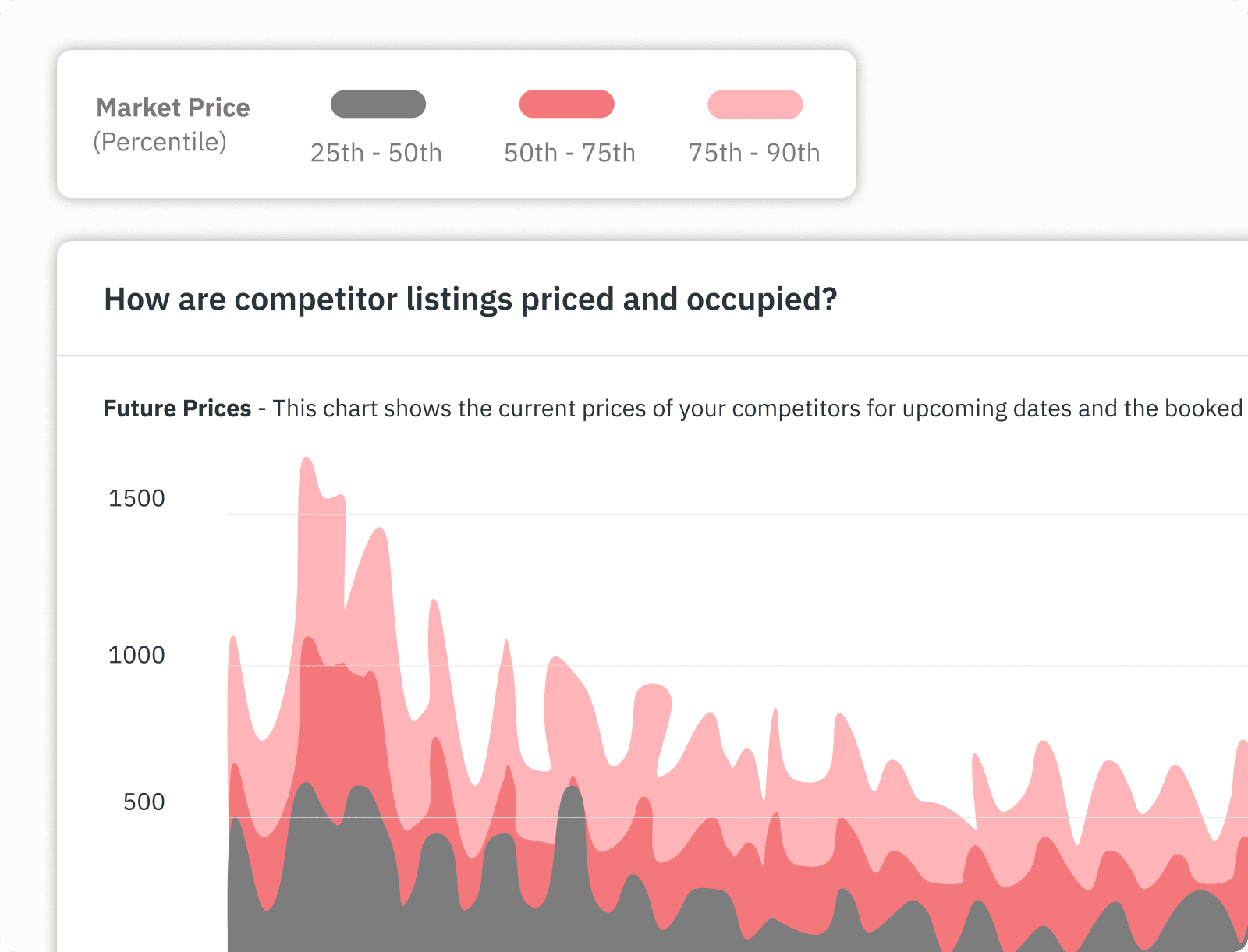
Turnover-heavy days cost more to run than ordinary ones, and that's worth reflecting in your rates rather than absorbing quietly. Dynamic pricing can factor in the extra operational load of a same-day turnover automatically, and its Pricing Guardrails keep those adjustments inside limits you set, so a turnover-day rate never drifts higher than what a guest will actually accept. Dynamic minimum-stay rules cut down how often you're facing that tight turnaround window in the first place, by discouraging the single-night gaps between bookings that create it. Before you settle on an early check-in fee at all, Market Dashboards show what comparable listings nearby actually charge for that kind of flexibility, so the number reflects your market rather than a guess.
| Action | Purpose | Tip |
|---|---|---|
| Set and communicate clear check-in times | Prevent misunderstandings early | Send a pre-arrival reminder |
| Offer early check-in for a fee when possible | Cover the real cost, add revenue | Confirm availability before charging |
| Allow free early check-in with no prior-night turnover | Improve guest experience and reviews | State it plainly in the listing |
| Decline politely when cleaning isn't done | Protect quality and consistency | Explain the reason, don't just refuse |
| Offer luggage storage or local suggestions | Soften the wait without room access | Keep a short list of nearby spots ready |
| State your policy in writing | Set expectations upfront | Put it in the house rules, not just in chat |
Explain plainly that check-in starts at the stated time because the cleaning team needs that window to prepare the space properly. Offer luggage storage if you can, and suggest somewhere nearby to wait.
Yes. Many hosts charge a flat fee to cover the added cleaning or scheduling cost, as long as it's disclosed in the listing and confirmed before the guest books.
State it directly in the listing description and house rules: whether you allow it, when, and any fee involved. A pre-arrival message is a good place to reinforce it closer to the actual stay.
Frequent, especially from guests on long flights or tight travel schedules. Handling them with a clear, consistent policy protects the experience without requiring you to say yes every time.
Schedule cleaning to finish well before the earliest time you'd ever offer, keep a luggage-storage option ready for guests who arrive before the unit is, and make sure your policy is communicated before anyone shows up expecting an exception.
Want to learn what PriceLabs can do for you? See for yourself with a free trial. Get started now!