
Get started with PriceLabs now!
Want to learn what PriceLabs can do for you? See for yourself with a free trial. Get started now!
As an Airbnb host, you’ve likely encountered a variety of terms and expectations when setting up your listings. Among them, “double occupancy” is a term that frequently comes up in conversations, reviews, and policy guidelines.
While it may initially seem simple, understanding double occupancy can significantly impact your pricing strategy, guest experience, and overall revenue.
This article will explore double occupancy meaning, its importance, and implementation strategies for your property.
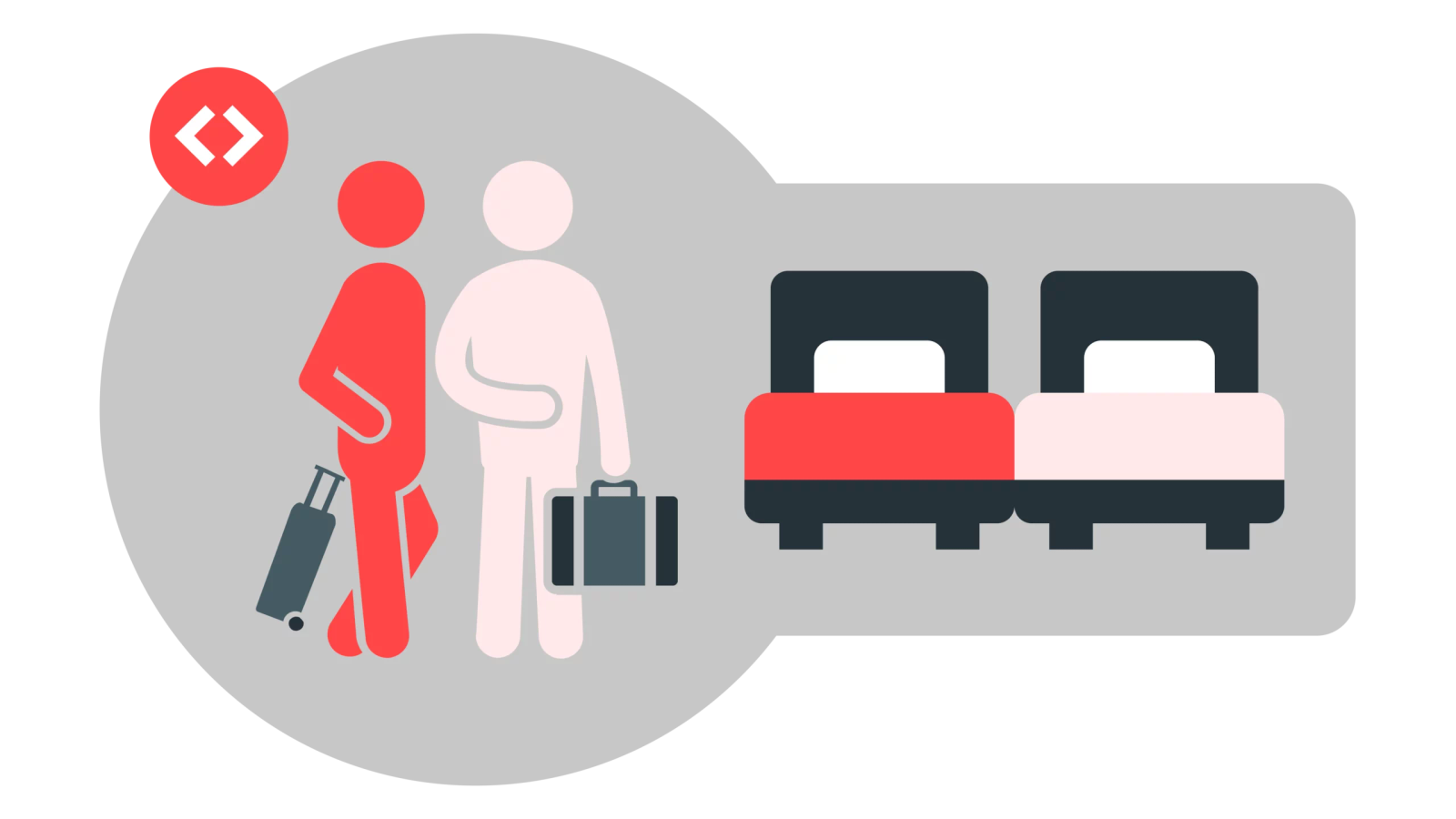
Double occupancy room is a pricing model where a single unit is intended and rated for two guests. In vacation rentals, this usually means a one-bedroom Airbnb is priced for two people who will share the same space and amenities. It’s often associated with a pricing structure that is based on double occupancy prices
The rate covers the cost of running the property for two guests and typically reflects a pricing structure based on double occupancy prices.
If your rental rate is $560 for one night, then at least two people can stay at your property.
| 📌 Note: Double occupancy often refers to two people, but it doesn’t always mean the unit is limited to two guests. You can charge an additional fee for each extra guest. This practice will help you manage costs associated with accommodating additional people, such as extra cleaning or needing more amenities. |
The terms single and double occupancy refer to the number of people staying in a rented hotel room.
The distinction between the two impacts the pricing and the services provided.
Double occupancy rates are higher due to the increased demand for resources such as utilities, cleaning, and wear and tear.
Here’s a breakdown of each:
Double occupancy is another rental strategy. While this strategy has general benefits, you should consider what you want in your hosting journey and how you can manage everything before deciding if it is the right choice for you.
Implementing a double occupancy policy for your Airbnb property involves more than just adjusting your pricing. It requires a clear understanding of how many guests your space can comfortably accommodate, as well as how to communicate that to your guests.
With the right strategy, you can ensure your pricing is aligned with your costs while maintaining guest satisfaction.
Here are a few practical steps to help you incorporate double occupancy policies seamlessly into your listings, ensuring both profitability and a transparent guest experience:
The first step in implementing a double occupancy policy is establishing clear, written guidelines on your listing. Here’s how to do it:
“Base price covers two guests. Additional guests (up to a max of 4) are $25 each per night.“
Listing Description Example:
This cozy 1-bedroom apartment is perfect for two guests. We welcome additional guests up to a maximum of 4, with an extra charge of $25 per night per person. Please note that the price listed covers up to two guests, and any extra guests will incur an additional charge.
| Base price (2 guests): $100 per nightExtra guests (up to 2 additional): $25 per night per guestCleaning fee: $50 (applies for up to 2 guests) |
By booking, you agree that the base rate covers two guests. Any additional guests beyond two will be charged $25 per person per night. Please ensure to update your reservation with the correct number of guests to avoid discrepancies.
After defining the base occupancy and extra charges, the next step is to adjust your pricing accordingly.
Set your base price for two guests, covering essential costs such as utilities, cleaning, and general wear and tear.
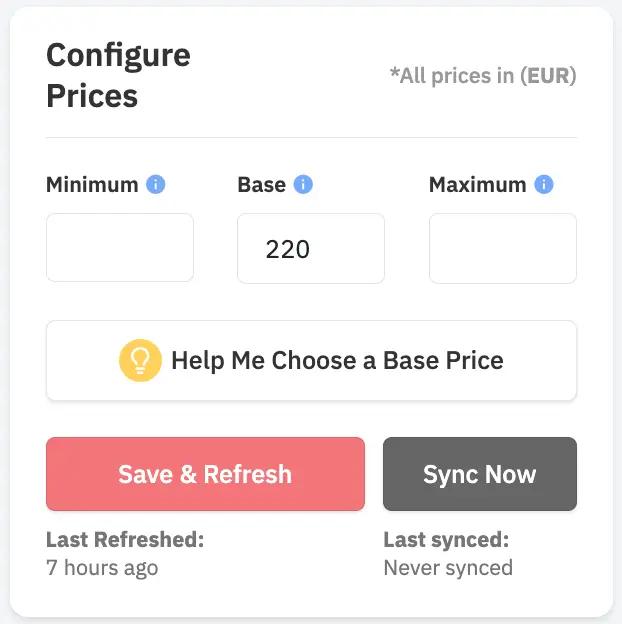
Set a clear, reasonable fee for each additional guest. This charge should reflect extra resource usage (e.g., more towels, more water, etc.).
A family of four books your space for a weekend. You might charge $100 per night for two guests. If they add two more people, you’d charge an extra $25 per night per person, bringing the total to $200 per night.
Be transparent about your occupancy limits in your listing description to manage expectations and avoid potential disputes.
Listing Description Example:
This 1-bedroom apartment comfortably accommodates two guests. The maximum occupancy is four people, and any additional guests (beyond two) will incur a fee of $25 per person per night. Please ensure that the number of guests is updated before arrival. Unauthorized guests will be charged an extra fee or asked to leave.
Extra guests must be confirmed before booking and paid for in advance. We allow up to 2 extra guests. No more than 4 people total are allowed. For larger groups, please contact us before booking. For your comfort and safety, parties or gatherings of any kind are strictly prohibited. Violators will be asked to leave immediately.
Your cleaning fee should reflect the additional work required when hosting more guests. A larger group typically means more towels, bed linens, and bathroom cleaning. Here’s how to adjust for this:
Base Cleaning Fee: Set a standard cleaning fee for two guests. This might cover the time and effort it takes to clean the space after their stay.
Add Fees for Extra Guests: Increase your cleaning fee for every extra guest who stays. A reasonable amount might be $10 to $20 per additional person, depending on the size of your property.
When hosting more than two guests, you’ll need to make sure your space is equipped with the right number of amenities to ensure everyone’s comfort.
By anticipating the needs of extra guests and providing the necessary amenities, you’ll create a more comfortable and positive experience. This enhances guest satisfaction and helps you avoid negative reviews or complaints about a lack of resources.
Clear communication with guests is key to successfully implementing a double occupancy policy.
A week before their stay, you message your guests: “Hi! I just wanted to confirm that your reservation is for two people, and you’ve added an additional person. As a reminder, the extra guest charge of $25 per night applies.
These steps will also help you maintain transparency, minimize disputes, and enhance the overall guest experience.
1. What is an example of a double occupancy?
A common example of double occupancy is a hotel or Airbnb room priced for two guests sharing one unit—such as a one-bedroom listing designed for two people using the same amenities.
2. What is the meaning of double occupancy rate?
The double occupancy rate refers to the pricing set for two guests staying in the same room. It assumes two people will share the space, and the rate is calculated accordingly.
3. Does double occupancy mean two beds?
Not necessarily. Double occupancy refers to two guests, not the number of beds. A double-occupancy room may have one bed (like a queen or king) or two separate beds, depending on the property.
Successfully handling double occupancy involves clear communication, fair pricing, and providing the right amenities for your guests. By defining your policies, setting appropriate fees, and ensuring your space is equipped for extra guests, you can offer a comfortable experience while protecting your business.
With the right strategies in place, you’ll enhance guest satisfaction and avoid potential conflicts, ensuring that your Airbnb stays profitable and well-managed.
This is one part of the broader set of policy questions hosts run into — see our complete guide to Airbnb cancellation policies for the rest.
Double occupancy is one part of the fundamentals covered in our complete guide to becoming an Airbnb host.
Want to learn what PriceLabs can do for you? See for yourself with a free trial. Get started now!