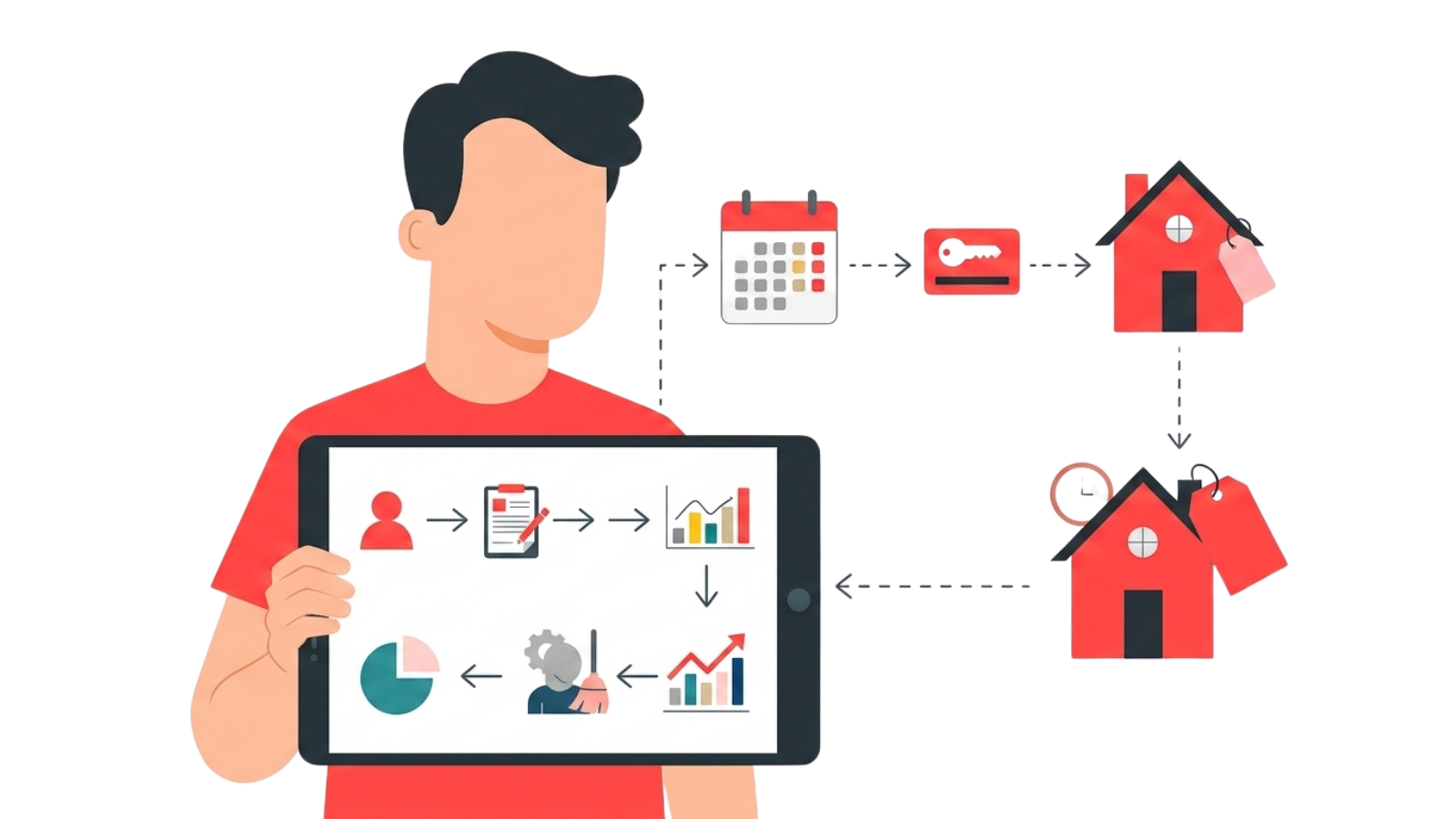
Get started with PriceLabs now!
Want to learn what PriceLabs can do for you? See for yourself with a free trial. Get started now!

Small rental operators don’t need a big-team tech stack to run smart pricing—just the right PMS features wired together. The goal is simple: keep rates accurate, responsive, and profitable across every channel with minimal hands-on work. Below, we break down seven must-have PMS capabilities that make flexible pricing—such as length-of-stay, lead-time, and gap-fill strategies—practical for single-unit hosts. With strong PriceLabs pricing integrations for flexible pricing, small portfolios can apply market-driven pricing daily, automate routine tasks, and protect margins without sacrificing time.
Dynamic pricing is the automated adjustment of nightly rates in response to real-time factors such as demand, seasons, occupancy, and events, helping maximize revenue potential while minimizing vacancies—a core tenet of modern revenue management for independents.
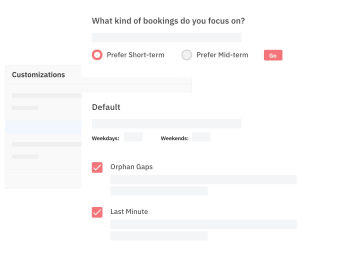
PriceLabs brings dynamic pricing for small rentals within reach by updating rates daily with AI and market data, optimizing length-of-stay and lead-time pricing, and filling short gaps through orphan-day strategies. Operators get rate intelligence, min/max guardrails, last-minute discounts, and precise overrides where needed, all delivered as clear rate suggestions and automations from one place.
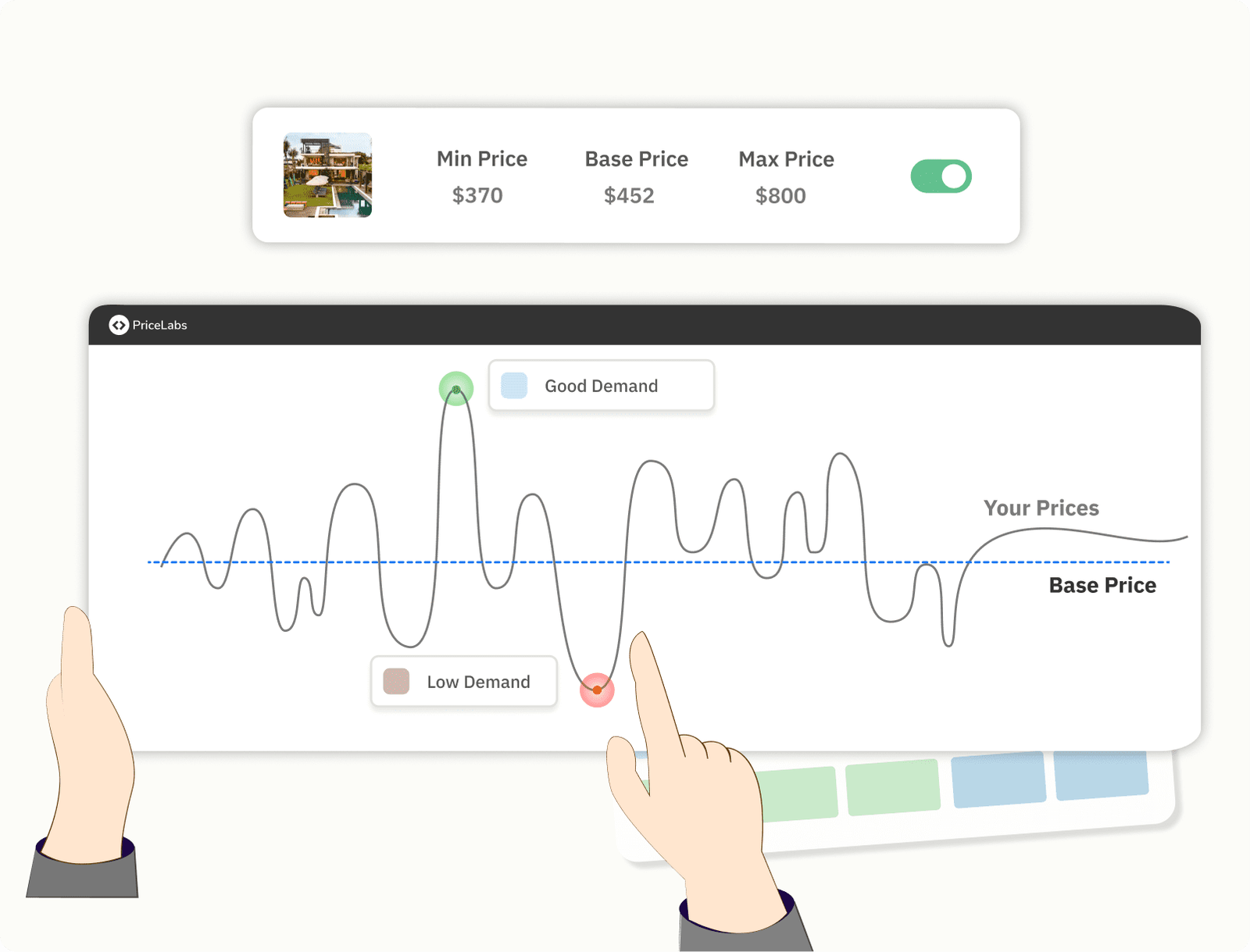
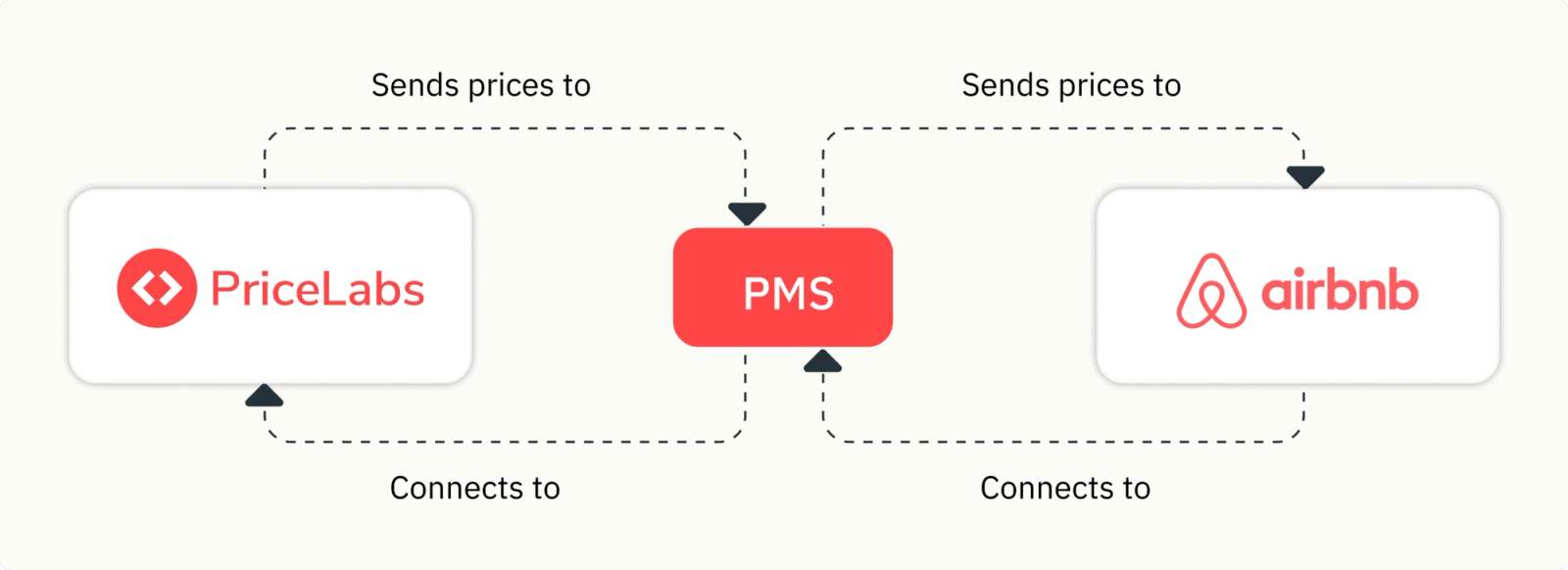
For small portfolios, automated revenue management works best when deeply integrated into the PMS—reducing update latency and making rate changes truly “set-and-forget”. PriceLabs integrates with over 160 PMSs and channel solutions to push market-driven pricing where it matters, without manual uploads or spreadsheet juggling.
A channel manager is technology that synchronizes listings, prices, and availability across OTAs, direct booking engines, and other sales channels—preventing double bookings and keeping data consistent as rates change. When your PMS, channel manager, and PriceLabs (or similar engine) are linked, every update propagates in near real time to all channels, reducing revenue leakage from stale prices and calendar mismatches.
Comparison: native vs. add-on channel managers for small portfolios
| Aspect | Native Channel Manager | Add-on Channel Manager | Best For |
| Subscription Cost | Often bundled or discounted | Separate fee | Operators comparing total cost of ownership |
| Setup Speed | Faster, plug-and-play inside PMS | Extra configuration steps | Teams needing quick launch |
| Data Latency Risk | Lower—shared data layer | Can vary by connector quality | Owners prioritizing up-to-the-minute sync |
| Support Path | Single vendor accountability | Split support (PMS + vendor) | Those who want one throat to choke |
| Flexibility | May be limited to PMS roadmap | Broad channel options and features | Niche channels or advanced mapping |
Tip: Whichever route you choose, confirm two-way inventory and rate sync, support for LOS pricing, per-channel markups, and instant calendar synchronization to ensure OTA distribution matches your market-driven pricing.
Native integrations are plug-and-play connections built and supported within the PMS. An open API (application programming interface) enables secure data exchange with external tools to automate workflows and future-proof your hosting tech stack. For flexible pricing, the most valuable integrations include:
Choosing a PMS with pre-built, deeply supported integrations cuts setup time, lowers long-term development costs, and minimizes sync friction compared to relying on generic connectors. Many modern PMSs also offer an integration marketplace, making it easier to activate best-of-breed tools as your needs evolve.
Comprehensive reporting pulls together historical occupancy, ADR, RevPAR, and booking trends so you can quickly spot pricing opportunities and performance gaps). Forecasting tools analyze booking pace, lead time, and demand indicators to predict future occupancy and revenue—guiding agile adjustments before peak periods or event surges.
Example dashboard views that support flexible pricing:
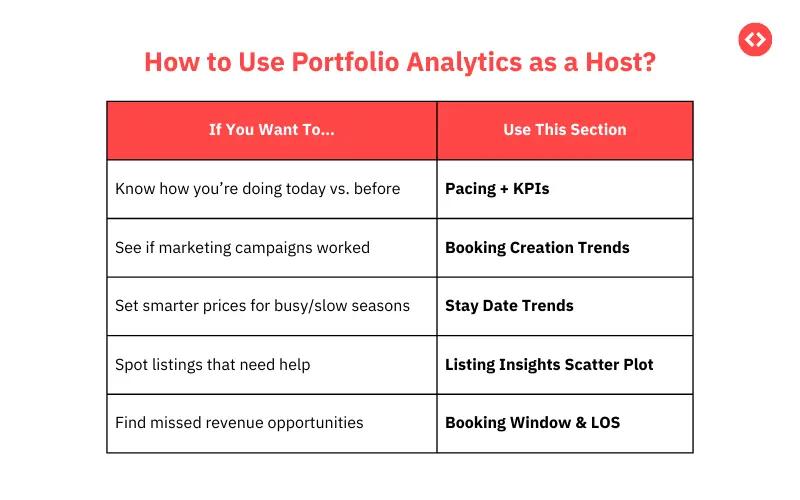
Sample dashboard structure
| View | Key Metrics | How It Informs Pricing |
| Lead-time Pacing | Bookings by days-out; ADR by lead-time band | Apply early-bird or last-minute rules; adjust min-stay by window |
| LOS Mix | % 1–2 nights vs. 3+ nights; ADR by LOS | Incentivize longer stays; fine-tune orphan gap discounts |
| Market Comps | Market ADR/occupancy; event calendar | Nudge rates up during compression; avoid underpricing |
| Channel Performance | ADR/occupancy by OTA vs. direct | Shift markups/discounts; invest in high-ADR channels |
Integrated payments automate invoicing, deposits, refunds, and receipts, saving time and reducing reconciliation errors common with manual billing. PCI compliance refers to Payment Card Industry standards for storing and processing cardholder data securely to reduce fraud and breach risk. For small rentals, add local tax management, digital signatures on rental agreements, and secure document storage to your checklist.
Must-have payment features:
Mobile operations in a PMS mean managing housekeeping, maintenance, and reservations from anywhere via apps or the mobile web—so small teams can act in real time. Teams can instantly update room or turn status between bookings, auto-assign housekeeping based on arrivals/departures, and receive push notifications for issues that risk guest readiness.
Features to look for in a mobile PMS:
An automation and rules engine lets you set “if-this-then-that” triggers based on booking data to scale operations without adding headcount. Common automations include:
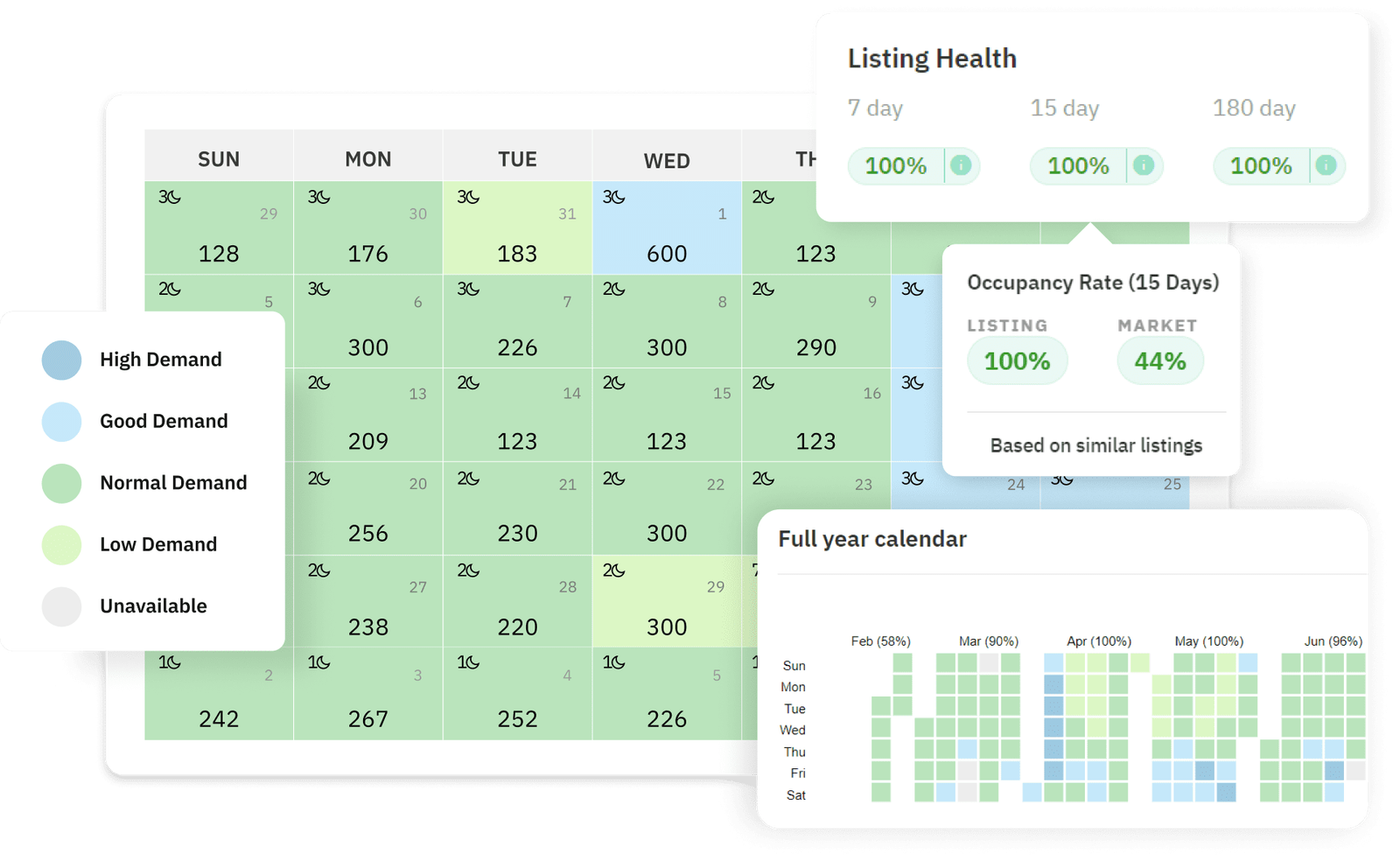
Example automation workflow
Dynamic pricing automatically updates nightly rates based on demand, events, and competition, helping owners maximize revenue and fill more nights with less manual work.
They incentivize longer stays and capture bookings in short gaps or early windows, increasing occupancy and ADR without deep blanket discounts.
It ensures every platform displays real-time rates and availability, avoiding double bookings and lost revenue from outdated data.
Secure payment processing, automated billing, tax calculation, and PCI-compliant data handling protect guests and reduce admin time.
It manages repetitive tasks—rate updates, guest messages, and cleaning assignments—so owners save time and maintain consistency at scale.
For the broader software landscape beyond PMS features alone, see our guide to PriceLabs dynamic pricing software.
Want to learn what PriceLabs can do for you? See for yourself with a free trial. Get started now!