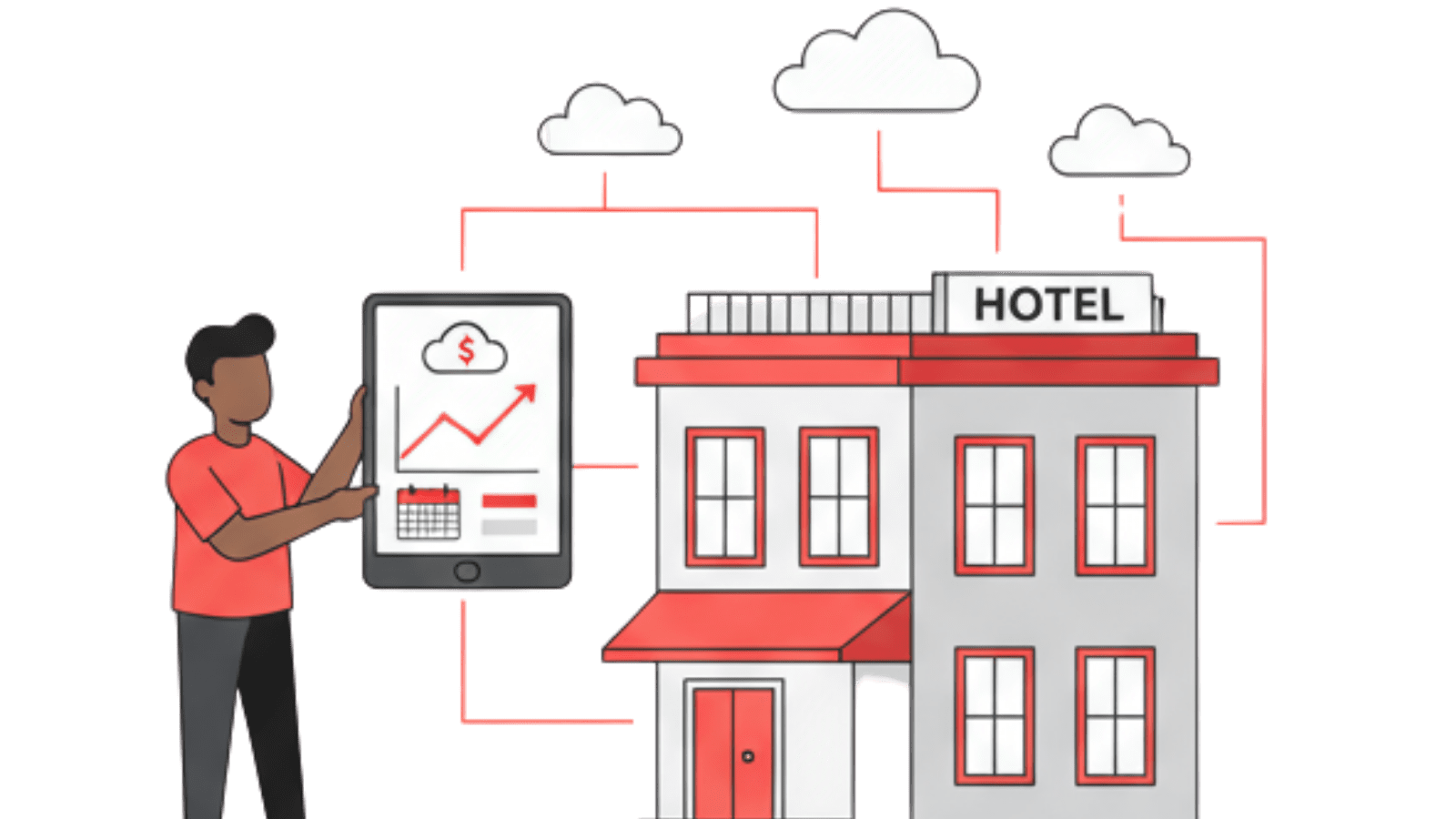
Guide to Seasonal Insights for Independent Hotels
Master the ebb and flow of demand. Transition from “gut feeling” to data-driven precision. Level the playing field against big chains.
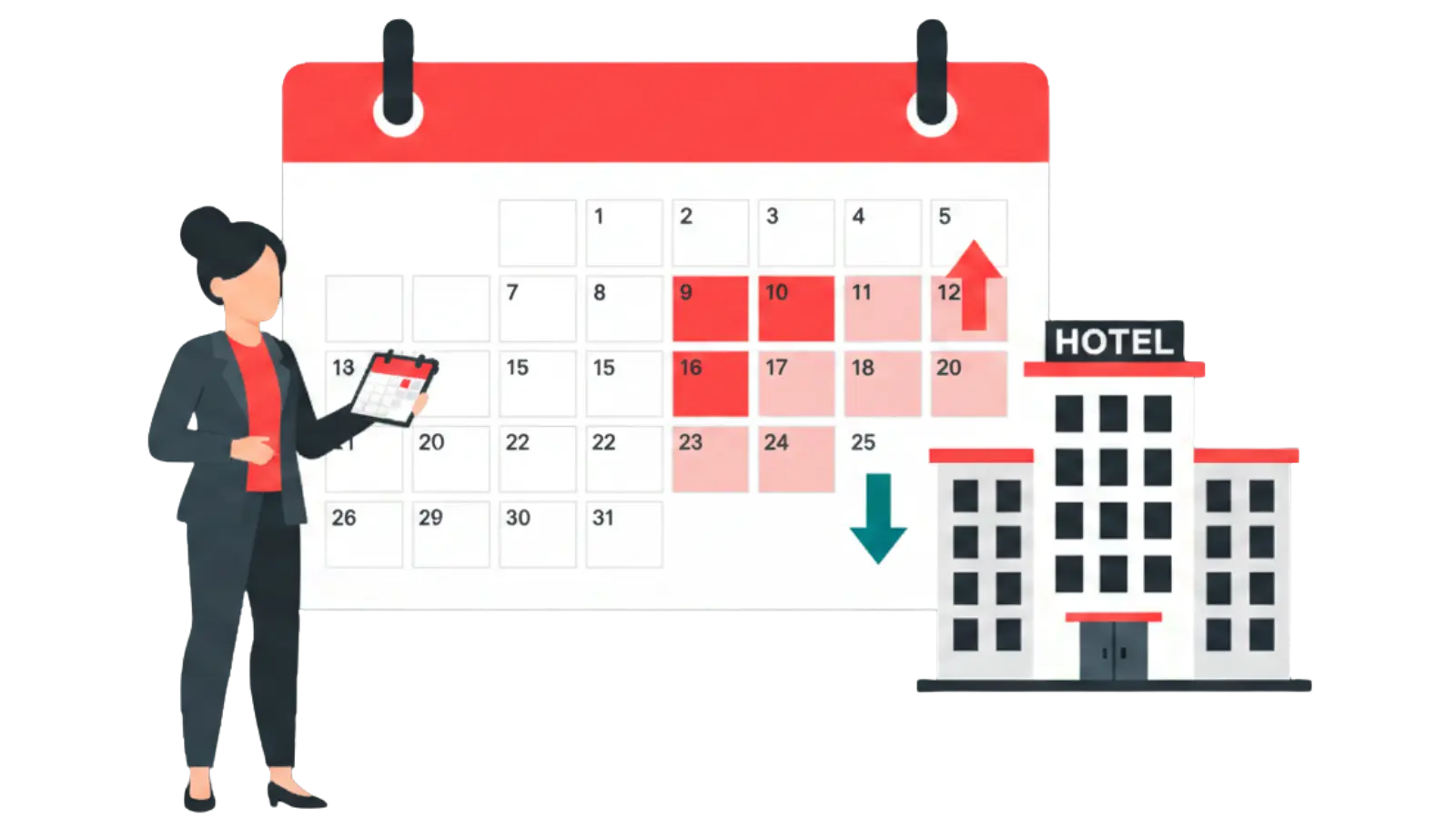
kEY tAKEAWAYS
tOP 4 THINGS THAT INDEPENDENT hOTELIERS CAN TAKEAWAY FROM THE GUIDE
Navigate demand swings to protect your bottom line
Decode local demand, seasonality, and traveler behavior
Use agility as a competitive advantage in fast-moving markets
Outperform big brands with personalized, data-driven decisions
From Strategy to Action
This guide walks you through the transition from guesswork to actionable strategy, covering:
Understanding Your Baseline
Analyze historical booking data to clearly define the start and end of peak, shoulder, and off-peak seasons.
Seasonality Mapping
Break down how demand shifts across months, weeks, and weekdays to uncover repeatable booking patterns.
Identifying Demand Drivers
Examine external factors like weather, school calendars, holidays, and major local events.
Emerging Travel Trends
Account for shifts such as workations, longer stays, and flexible travel windows that reshape demand curves.
Data-Driven Forecasting
Combine PMS data with real-time analytics to spot early demand signals and anomalies.
Competitive Benchmarking
Conduct regular competitor audits to understand market positioning and pricing gaps.
Dynamic Pricing Strategies
Apply season-specific tactics—push rates aggressively during surges and defend occupancy during slowdowns.
AI-Driven Automation
Use machine learning to reduce manual effort, minimize pricing errors, and sync rates instantly across channels.
Operational Resilience
Align staffing, marketing spend, and operational decisions with seasonal forecasts to protect margins without compromising guest experience.
Sneak Peak
From Seasonality to Smarter Pricing
Turn demand swings into a competitive advantage with season-aware pricing and operational decisions.
Use market signals, event data, and traveler behavior to adjust pricing, stay rules, and offers—so you maximize value in high season and protect occupancy when demand softens.
Season-Specific Pricing Moves
Apply different pricing mindsets for peak and low seasons—push rates aggressively during high-demand surges, and stay flexible to protect volume during slow periods.
Event-Led Revenue Uplift
Track local events early to capitalize on sudden demand spikes, while using early-bird and bundled offers to stimulate bookings during quieter months.
Stay-Length Optimization
Use minimum-stay rules to maximize peak-night value, and spot emerging trends like workations and midweek demand to fill gaps in low season.
Competitive Market Positioning
Benchmark against your true local competitors to price confidently in high season, while prioritizing occupancy and visibility when demand drops.

Dave McComb
Owner of The Birch Ridge Inn, Killington, Vermont
With PriceLabs, I can confidently price rooms based on market demand and spend less time worrying about missed opportunities.

Christian Eriksen
Denmark
PriceLabs is very comprehensive with regards to the information you can derive from the system and the granularity of control it offers to users. I use it to manage a single Airbnb property - however, it looks very well organized in terms of its capabilities to handle multiple properties and sales channels (other than Airbnb).
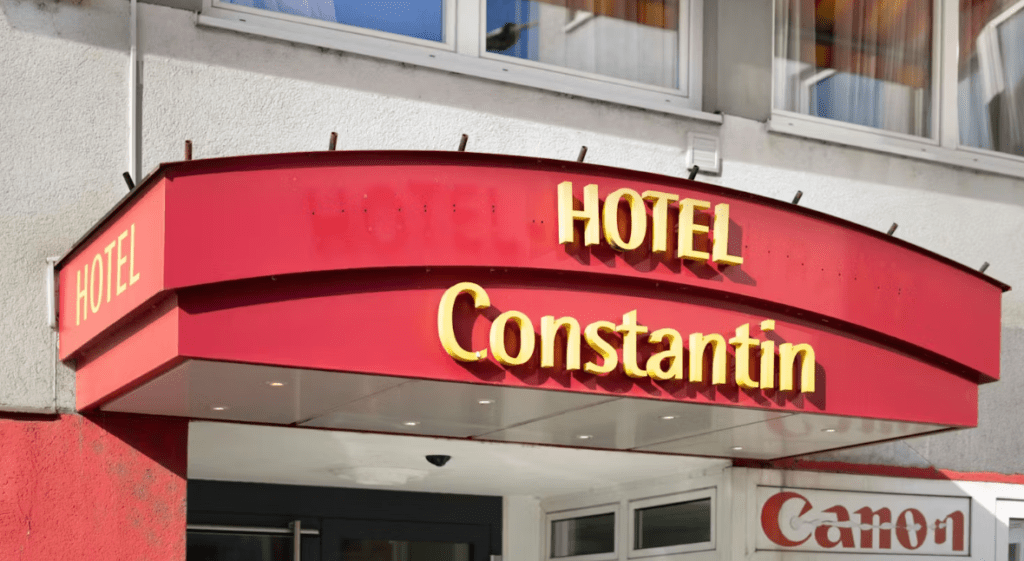
Team Hotel Constantin
Germany
We didn’t have PriceLabs in place in October 2023. In 2024, the results spoke for themselves—higher rates and more bookings even during low season.

Daniel Polo
Co-founder at SocialTur Marketing and Tourism
There can be a right price today, but it can be a completely wrong price in three days if the market changes, and you can’t adjust all that unless you are a calculator.
Turn unpredictable swings into predictable gains.