Get started with PriceLabs now!
Want to learn what PriceLabs can do for you? See for yourself with a free trial. Get started now!

Your Airbnb dashboard shows $3,200 in bookings for the month. That's a good month. Then you start doing the math. Platform fees. The cleaner's invoice. The broken bathroom fixture your guest left behind. The utilities bill that spiked because the family of six ran the AC full blast. By the time you've subtracted everything, you're looking at $680 left over. Where did the other $2,520 go?
The gap between what Airbnb says you earned and what you actually kept is the central problem of Airbnb profit margin calculation — and most hosts don't close it until tax season forces them to. Your Airbnb profit margin equals your gross booking revenue minus all expenses — platform fees, cleaning, utilities, mortgage, supplies, insurance, and taxes — divided by gross revenue. That formula, applied honestly, is what separates hosts who know their business from hosts who are surprised by it. The complete Airbnb income calculation guide covers the revenue side in full detail — this article focuses on the cost side and the margin math.
Airbnb Profit Margin (%) = (Gross Revenue − Total Expenses) ÷ Gross Revenue × 100. Total expenses include Airbnb host fees (3–5% of booking subtotal), cleaning costs, utilities, insurance, mortgage or rent, supplies, taxes, and maintenance reserves. A solid Airbnb profit margin is generally 20–40% of gross revenue, though it varies by market, property type, and whether you own or lease the property.
One more thing worth knowing upfront: Airbnb's 1099-K reports the gross amount paid to you — including the cleaning fee guests paid and before Airbnb deducts its service fees. It is not your net income. It's not even close to your profit. Understanding this gap is the first step in an honest airbnb profit margin calculation.
Let's define the terms clearly before building the formula. Gross revenue is the total amount guests paid for your listing — room rate plus cleaning fee, before any deductions. Net income is what you actually receive after Airbnb deducts its service fee. Profit is what remains after you subtract all your operating expenses from net income. And profit margin is that profit expressed as a percentage of gross revenue.
Calculating Airbnb income accurately means distinguishing between all four of these numbers — they're not interchangeable. The airbnb net income after expenses is the only number that tells you what you're actually earning.
The formula:
Profit Margin (%) = (Gross Revenue − Total Expenses) ÷ Gross Revenue × 100
Worked example: $3,200 in gross bookings. Expenses: $1,800 (Airbnb fees, cleaning, utilities) + $400 (insurance and software, monthly allocation) + $320 (maintenance reserve at 10% of gross). Total expenses: $2,520. Net profit: $680. Profit margin: 21.25%.
Benchmark context: a 20–40% profit margin is considered solid for most Airbnb hosts. Investors typically target a 5–10% cash-on-cash return on property value. Both numbers vary enormously by market, property type, mortgage situation, and management structure — but they give you a comparison point to work from. Revenue management strategy for vacation rentals starts with knowing where your margin currently sits before you try to improve it.
Fixed costs are the expenses you pay whether or not a single guest books your property this month. They represent your cost of ownership — the minimum monthly cash outflow that your rental revenue must exceed before any profit is possible. When you're just getting started as a host, mapping your fixed costs is the most important financial exercise you can do before your first booking.
Vacation rental hidden costs most often hide in this category — expenses that feel like one-time investments but are actually recurring.
Variable costs rise and fall with your booking volume. When occupancy is high, variable costs are high. When occupancy is low, they drop — but not to zero, because fixed costs continue regardless. The interplay between fixed and variable costs is what determines your break-even occupancy rate — the minimum calendar utilization needed before any profit begins.
Proven Airbnb pricing tactics factor in variable cost structure when setting minimum prices. Understanding your airbnb host fees percentage is the starting point for variable cost mapping.
Note on airbnb cleaning fee profit impact: Airbnb includes the cleaning fee in the booking subtotal it uses to calculate its service fee. That means you're paying Airbnb a percentage on a cost you're passing directly to guests — it's effectively a hidden fee on your cleaning revenue pass-through. On a $450 booking with a $100 cleaning fee, Airbnb's 3% service fee applies to the full $450, not just the $350 room rate. Automation tools that handle booking fee calculations make this visible and trackable.
This is the section most hosts skip — and where most margin surprises live. The vacation rental hidden costs that don't show up in any obvious expense category are the ones that most reliably destroy the margin you thought you had. A thorough airbnb operating expenses breakdown includes all of the following. Complete revenue management for vacation rentals requires accounting for costs that don't appear on any invoice until they appear on your tax return.
Your own time. Hosting is labor. Guest messaging, check-in coordination, maintenance scheduling, review responses — estimate the hours per month and multiply by a reasonable market rate for your area. If you're spending 10 hours per month at $30/hour in value, that's $300/month in implicit cost that never shows up on any expense tracker but is absolutely real.
Platform fee on your cleaning fee. As described above — Airbnb charges its service fee on the full booking subtotal, including the cleaning fee portion. On a $100 cleaning fee, you're paying Airbnb roughly $3 in extra service fees that most hosts never notice.
Occupancy taxes and sales taxes. Airbnb collects and remits occupancy tax in many jurisdictions — but not all. In markets where Airbnb doesn't collect on your behalf, you are responsible for remitting. New hosts in markets without automatic collection frequently discover multi-thousand-dollar tax liabilities at year-end. Verify your jurisdiction's requirements before your first booking, not after your first audit.
Maintenance reserves. Budget 1–3% of property value per year for repairs and maintenance. Short-term rentals have a faster wear-and-tear pace than primary residences — appliances, HVAC systems, furniture, and fixtures all age faster under rotating guest use. A $400,000 property should have a $4,000–$12,000 annual maintenance reserve, allocated monthly.
Permit and licensing renewal fees. Annual STR permits range from $0 to $500+ depending on city. Many hosts budget the initial permit cost but forget that it's an annual renewal. In some cities, renewal also requires inspections, which add cost and scheduling complexity.
Seasonal utility spikes. A heavily air-conditioned beach home in summer or a heated ski chalet in winter can see utility costs 2–3x the baseline. If your fixed utility estimate was built during mild months, your margin projection for peak season may be significantly off.
Vacancy cost. Empty nights aren't free — your mortgage and fixed costs continue. Calculate your cost per unbooked night (total fixed monthly costs ÷ 30) and use it as a minimum pricing anchor. A night where your revenue falls below that number is a night where you're losing money on the fixed cost basis alone. Minimum stay strategy affects your vacancy cost exposure directly.
Hidden cost audit checklist:
Margin benchmarks are guides, not guarantees — they vary enormously by market, property type, and cost structure. But they give you a reference point for evaluating your own performance. The short-term rental profit margin percentage you should target depends heavily on your specific situation.
Competitive benchmarking tools help you understand whether your ADR (Average Daily Rate) is the underlying driver of margin underperformance or whether costs are the issue.
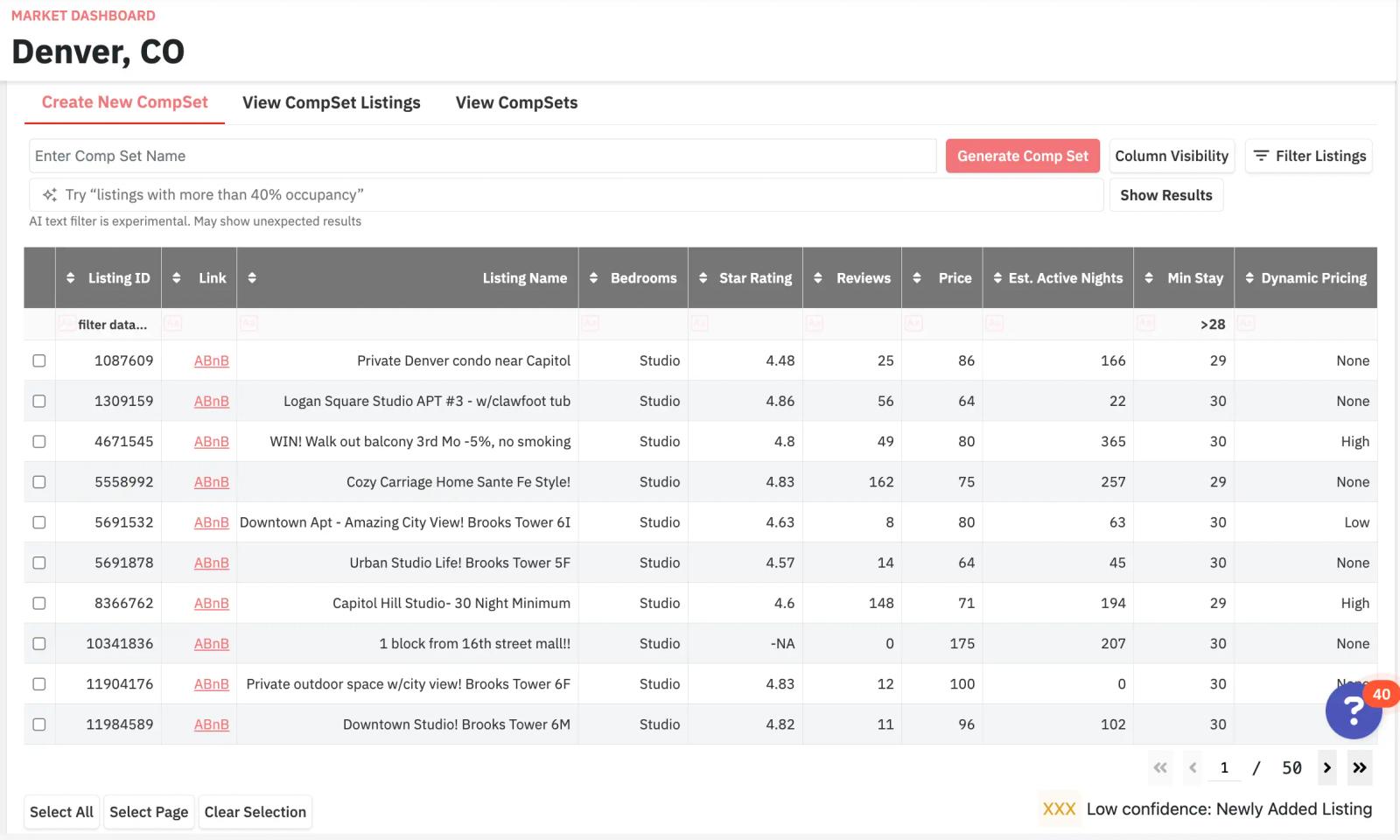
Cash-on-cash return is the metric real estate investors use to evaluate STR performance: annual net cash flow divided by total cash invested (down payment plus setup costs). A property bought for $350,000 with a $70,000 down payment and $10,000 in setup costs ($80,000 total cash invested) that generates $8,000 in annual net profit has a 10% cash-on-cash return — a strong result in most markets.
Once you've mapped your full cost structure, the most powerful lever available to you is the one you can control without changing a single expense: what you charge per night. Every dollar of ADR improvement goes directly to your bottom line — it doesn't increase your cleaning costs, doesn't change your mortgage, and doesn't affect Airbnb's fee in a significant way. That's why pricing is the primary margin lever for independent hosts.
Dynamic pricing strategy is what makes that lever systematic rather than ad hoc. The airbnb ROI calculation for a property improves fastest when pricing is optimized consistently, not just during peak season.
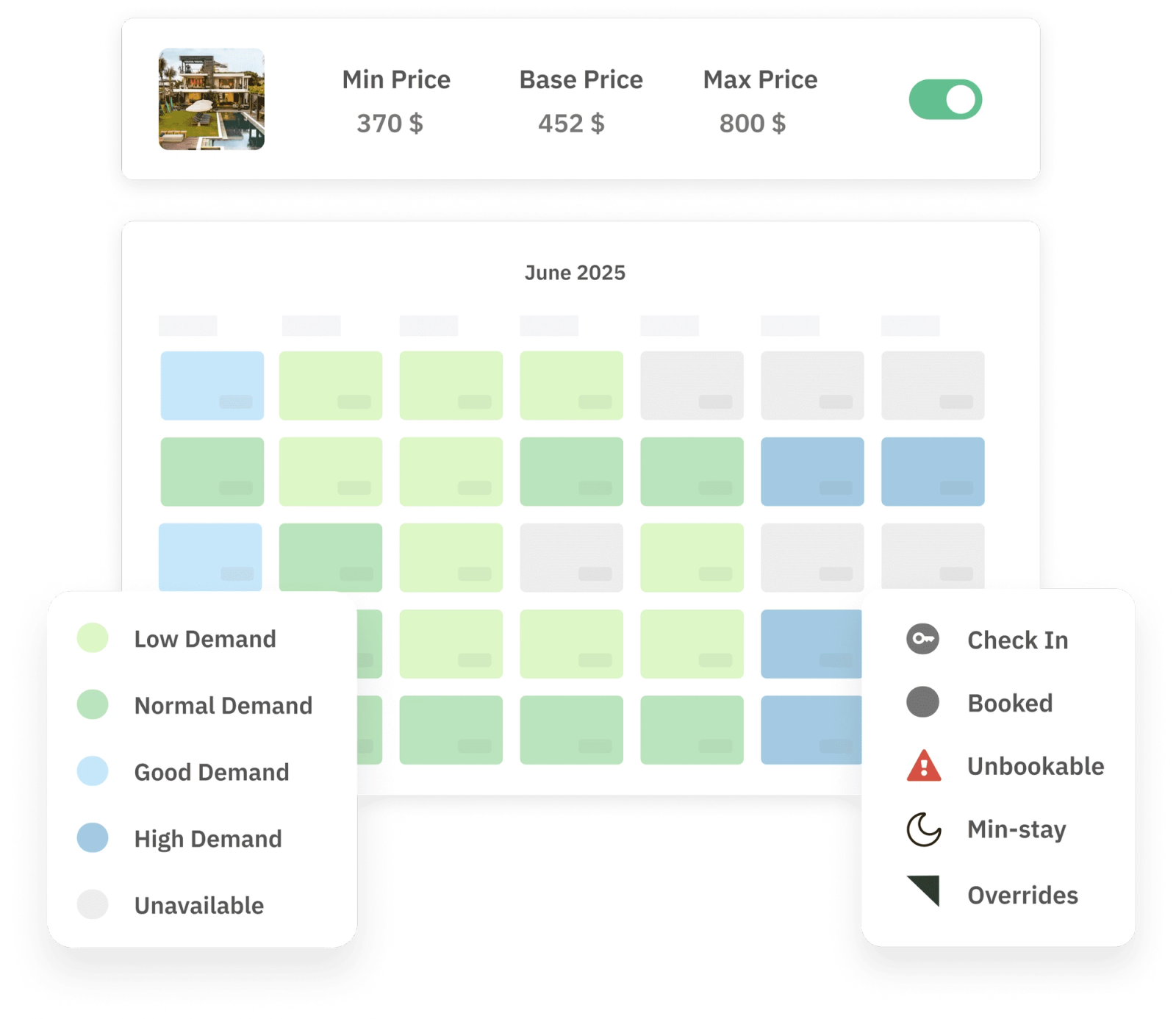
The Hyper Local Pulse (HLP) Algorithm calibrates your nightly rates to real local demand — ensuring you're not leaving peak-night revenue on the table through underpricing, and not over-discounting in shoulder periods when the market would still support a stronger rate. Lost revenue from underpricing is a form of margin erosion that never appears on any expense report — it's invisible until you see what a comparable listing earned on the same weekend.
Your Base Price and Minimum Price settings in PriceLabs are where your cost-of-carry calculation becomes operational. Take your break-even cost per night — fixed monthly costs divided by available nights — and set that as your minimum price floor. The algorithm will never price below that floor, which means your minimum revenue per booked night is protected regardless of demand conditions. This is the most direct connection between your airbnb profit margin calculation and your pricing configuration.
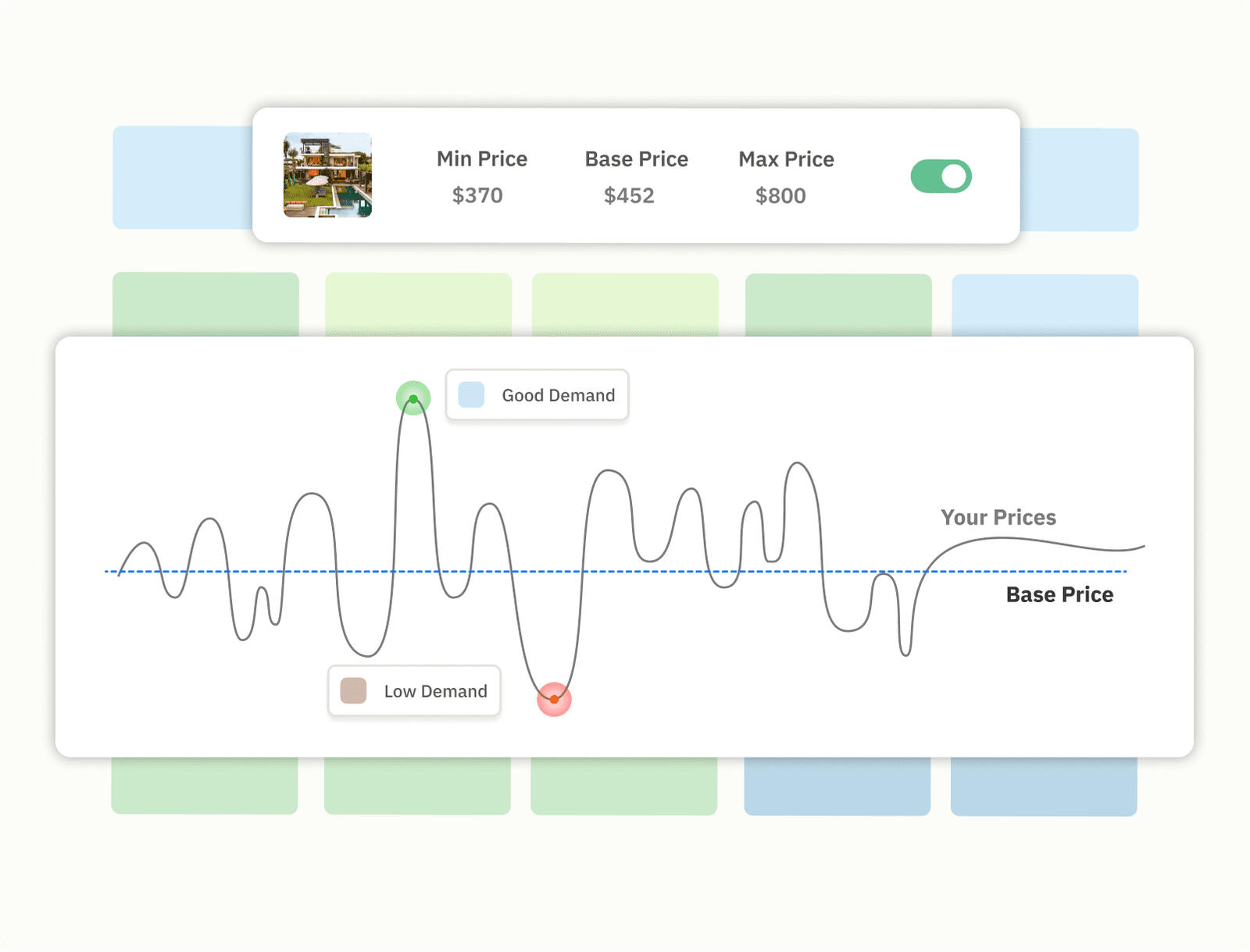
Market Dashboards and Competitive Benchmarking show you how your ADR and occupancy rate compare to similar nearby listings. If you're trailing peers on ADR by 15%, that gap is direct margin erosion — and it's often addressable through better pricing calibration rather than any change to the property itself. A vacation rental expense tracker shows you what you're spending; benchmarking shows you what you're leaving on the table. You need both views to improve margin meaningfully. Market dashboard tools give you the external reference point that internal cost tracking alone cannot provide.
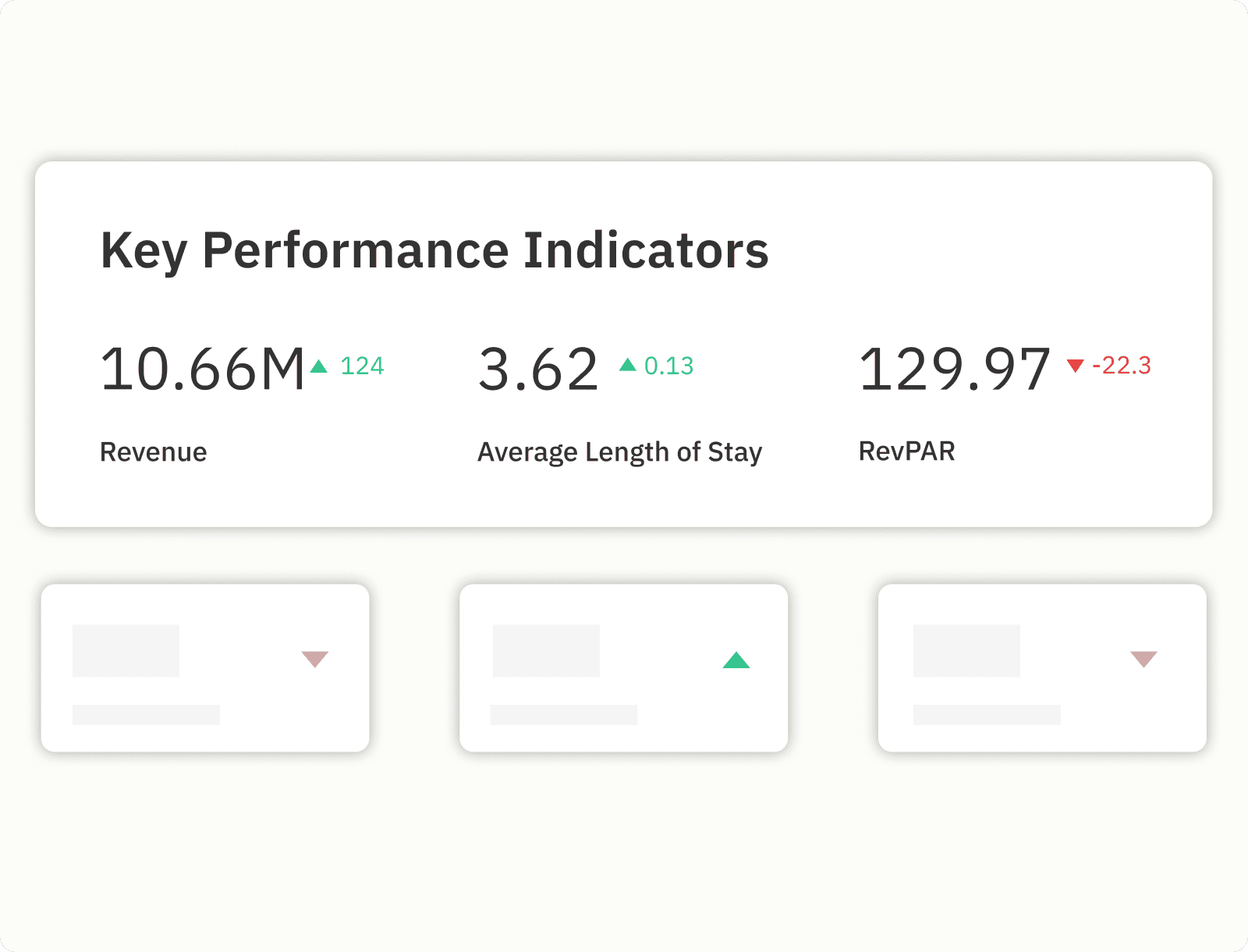
PriceLabs' flat-rate pricing model charges a predictable monthly subscription with no revenue-sharing fees. Unlike pricing tools that take a percentage of your revenue, PriceLabs' cost stays fixed regardless of how much you earn — meaning every margin gain from better pricing goes entirely to you. Listing optimization is the complementary lever — better occupancy at strong rates compounds the pricing gains. And automation tools that reduce your time cost directly address the implicit labor cost most hosts never track.
Use this formula: Profit Margin (%) = (Gross Revenue − Total Expenses) ÷ Gross Revenue × 100. Total expenses include Airbnb host fees (3–5% of booking subtotal), cleaning costs, utilities, insurance, mortgage or rent, supplies, taxes, and maintenance reserves. For example, if you earn $3,200 in gross bookings and spend $2,520 on all expenses, your net profit is $680 and your margin is 21.25%.
A solid Airbnb profit margin is generally 20–40% of gross revenue, depending on your market, property type, and whether you own or lease the property. Investors typically target a 5–10% cash-on-cash return on property value. High-cost urban markets with mortgages often see lower margins (10–20%), while strong vacation markets with owned properties can achieve 35–45%.
The most commonly missed costs include: your own labor time (guest communication, coordination, maintenance scheduling); occupancy and sales taxes in jurisdictions where Airbnb doesn't collect; Airbnb charging its service fee on the cleaning fee portion of the booking; annual STR permit and license renewal fees; maintenance reserves (budget 1–3% of property value per year); and seasonal utility spikes from climate-controlled properties.
No. Airbnb's 1099-K reports the gross amount paid to you, which includes the cleaning fee guests paid and does not subtract Airbnb's service fee deductions or any refunds. It is not a measure of your profit or even your net income. You must subtract all operating expenses to arrive at taxable net income and your actual profit margin — the 1099-K is a starting point for the calculation, not the result.
Airbnb charges most hosts a service fee of 3–5% of the booking subtotal (room rate plus any extras, excluding taxes). The fee is deducted from your payout automatically. If you also list on VRBO or Booking.com, their commission rates typically run 5–15%, depending on the fee model you choose. Note that Airbnb's fee applies to the full booking subtotal including the cleaning fee, which increases the effective fee rate on pure room revenue.
The gap between gross revenue and net profit is wider than most hosts expect — but it's completely predictable once you map every expense category honestly. Fixed costs set your floor. Variable costs scale with bookings. And hidden costs — your time, taxes you didn't know you owed, maintenance you hadn't budgeted for — are where most margin surprises come from. Your airbnb profit margin calculation is the foundation of every business decision you make as a host. You can't easily change your mortgage, your insurance, or Airbnb's fee. But you can change what you charge per night — and every dollar of ADR improvement goes directly to your bottom line. PriceLabs helps independent hosts make sure that nightly rate is as strong as it can be, every night, based on real market demand. The Revenue Estimator Pro guide helps you model profitability before you list. Try PriceLabs free and start protecting your profit margin today.
For the calculator tools that make this math easier, see our roundup of income calculators.
Understanding your true margin also means understanding the revenue side clearly — see our piece on bookings vs. revenue.
Want to learn what PriceLabs can do for you? See for yourself with a free trial. Get started now!