Get started with PriceLabs now!
Want to learn what PriceLabs can do for you? See for yourself with a free trial. Get started now!

Starting an Airbnb business requires time and effort. Just like any other business venture, you need to gain deep understanding of the business before venturing into it. Before creating an account on Airbnb, let’s understand what it takes to run an Airbnb business.
In this article, we’ll take you through ‘How to start an Airbnb business?’
Before diving into starting an Airbnb business, thorough research is essential to determine its viability and set the groundwork for your business plan.
Here’s what to focus on:
While you’ll go deeper into these aspects when drafting your business plan, having a clear, preliminary idea will help ensure your Airbnb business is both feasible and profitable.
Researching the rules and regulations in your target area is a crucial step when starting an Airbnb business—important enough to highlight separately.
With vacation rental regulations increasing nationwide, overlooking this aspect could jeopardize your business. Investigate local laws to see if vacation rentals are prohibited, highly regulated, capped, or subject to fines. While these rules might not prevent you from moving forward, they could introduce extra hurdles.
Regulations extend beyond local laws. If you own a property, you’ll need approval from your mortgage provider and possibly your homeowners’ association (HOA). If you’re renting or living in a co-op, ensure you have the necessary permissions from your landlord, co-op board, or HOA before listing the property on Airbnb.
Also, review your lease carefully for subletting clauses, and check whether your HOA imposes restrictions on short-term rentals. Ensuring compliance from the start will save you from potential setbacks later.
You don’t need to have everything figured out, but it’s crucial to know your next five steps—and that’s exactly what an Airbnb business plan helps you map out. It serves as your blueprint, covering everything from market strategy to daily operations. Start with an executive summary that highlights your goals, target market, and vision. Follow this with a company overview and a deep dive into market analysis, identifying trends and opportunities in the short-term rental industry. Use customer and competitor analyses to understand your audience and how to stand out.
Your plan should also include a solid operations strategy, detailing property management, guest communication, and booking systems. A marketing plan outlines how you’ll attract guests, from branding to promotions, while a pricing strategy ensures competitiveness and profitability.
Financials are a key component, encompassing start-up costs, revenue projections, and a break-even analysis to guide investment decisions. Address potential challenges with a legal and regulatory overview, ensuring compliance with local laws, insurance needs, and rental agreements.
Lastly, the team and management section should define key roles, hiring plans, and strategies for maintaining quality service. With this comprehensive plan, you’ll be prepared to tackle the unique challenges of the Airbnb model and ensure long-term success.
By this step, you should have your property sorted. The next step is to ensure that the property is ready to host your dream guests. For example, if your property is in Vermont, then your peak season is going to be winter and people going to be there to ski! Your property is ready to host skiers. Or if your property is in the city center in Chicago, you should be ready to host a lot of business travelers.
Understanding the kind of guests your property might get is important because only then can you provide the best experience for your guests. This is especially important if you want to get a lot of good reviews (believe me, this is important!).
You should also look at similar properties in your area and undetrstand what your target demographic wants and is getting in that locality. Consider everything right from the kind of furniture, to amenities that you would provide for your guests.
Before listing your property on Airbnb, it’s important to establish a legal entity.
Many Airbnb hosts choose to form a limited liability company (LLC), which offers several benefits:
The process for setting up an LLC varies by state, so it’s wise to consult a local attorney or financial advisor.
However, here are the basic steps and documents you’ll likely need:
By setting up an LLC, you’ll create a solid legal foundation for your Airbnb business, protecting both your finances and personal assets. Legal setup is just one step — see the full step-by-step guide to Airbnb hosting for everything else involved.
Now that you have an understanding of the market and your target audience, the next step is to prepare your rental for those guests. If it’s a new property, you don’t have to do a lot of things. However, if it is a property that you already own and have been using for a while, it might require a lot of work, such as:
If your property is new, you should still deep clean the property once before opening it for Airbnb stays. You should then equip it with the necessary amenities
If you’re going to also be in the locality or the property, then you would be able to handle check-in/check-out process and the other operational processes as well on your own. If you’re not going to be present, then you should also look at hiring local help (this can mean getting an Airbnb co-host onboard) to take of the operational tasks.
Once you’ve made the property ready to be listed on Airbnb, you should then decide on the price. This is probably one of the most crucial aspects because the right price would lead to decent profit for you!
The first thing to consider when deciding your price would be your expenses, you should account for:
Once you’ve sorted this out, you sould consider how are others in the area pricing their property. You should only compare your property with others that are similar to yours. For example, if your property is: 2BHK sea facing property, then you should compare yours with other 2BHK sea facing properties.
Let’s say the average cost you’re seeing is $250. Then you should also price yourself in the same range. However, because you’re new in the market and do not have any reviews to build trust, it would be better to price yourself a little lower than the market to ensure that you get bookings. You can gradually increase your rates as and when bookings roll in.
Listing your property on Airbnb would be the next step! While, flowery language is important it is also important to remain honest in your listing. Let’s say your property is next to the train track, you should mention it! If there is a hospital nearby, you should definitely mention it. Let’s remember: Honesty IS the best policy!
Key things to do in this step:
As an Airbnb host, the AirCover for Hosts program provides comprehensive protection to give you peace of mind. Airbnb offers up to $1 million in Host Liability Insurance, covering you if you’re legally responsible for guest injuries or damage to their belongings, even in shared areas like hallways or lobbies.
The Host Damage Protection covers up to $3 million for property damage caused by guests, including vandalism, accidental harm, or issues like pet damage and smoke odors. Airbnb ensures you’re reimbursed for unexpected events that affect your property.
Additionally, hosts can set a security deposit to cover minor damages. If an issue arises, Airbnb can help facilitate claims using the deposit, offering an extra layer of protection.
To minimize risks, Airbnb uses advanced identity verification and reservation screening, including background checks in regions where legally allowed, helping to prevent disruptive guests.
Airbnb also provides 24/7 support in multiple languages, with Superhosts receiving priority assistance for faster issue resolution.
You can further safeguard your property by setting and enforcing house rules that guests must agree to before booking. If these rules are violated, you can report the guest, and Airbnb will take appropriate action, which may affect the guest’s future booking abilities.
Now you’re ready to start hosting. When welcoming a guest into your property, you should provide them the following:
During their stay, it is important that you are available to answer their queries. At the end of the stay, request for Airbnb reviews from them, so that you have constructive feedback to make the stay better for the next guest. An added perk is that more reviews will lead to increased trust amongst other potential guests which will lead to increased bookings!
On average, Airbnb hosts in the United States earn over $14,000 per year, according to Airbnb, but actual earnings can vary widely. Some hosts manage multiple properties, renting them out full-time, while for most, hosting serves as a side hustle rather than a primary income source.
Your earning potential primarily depends on two factors:
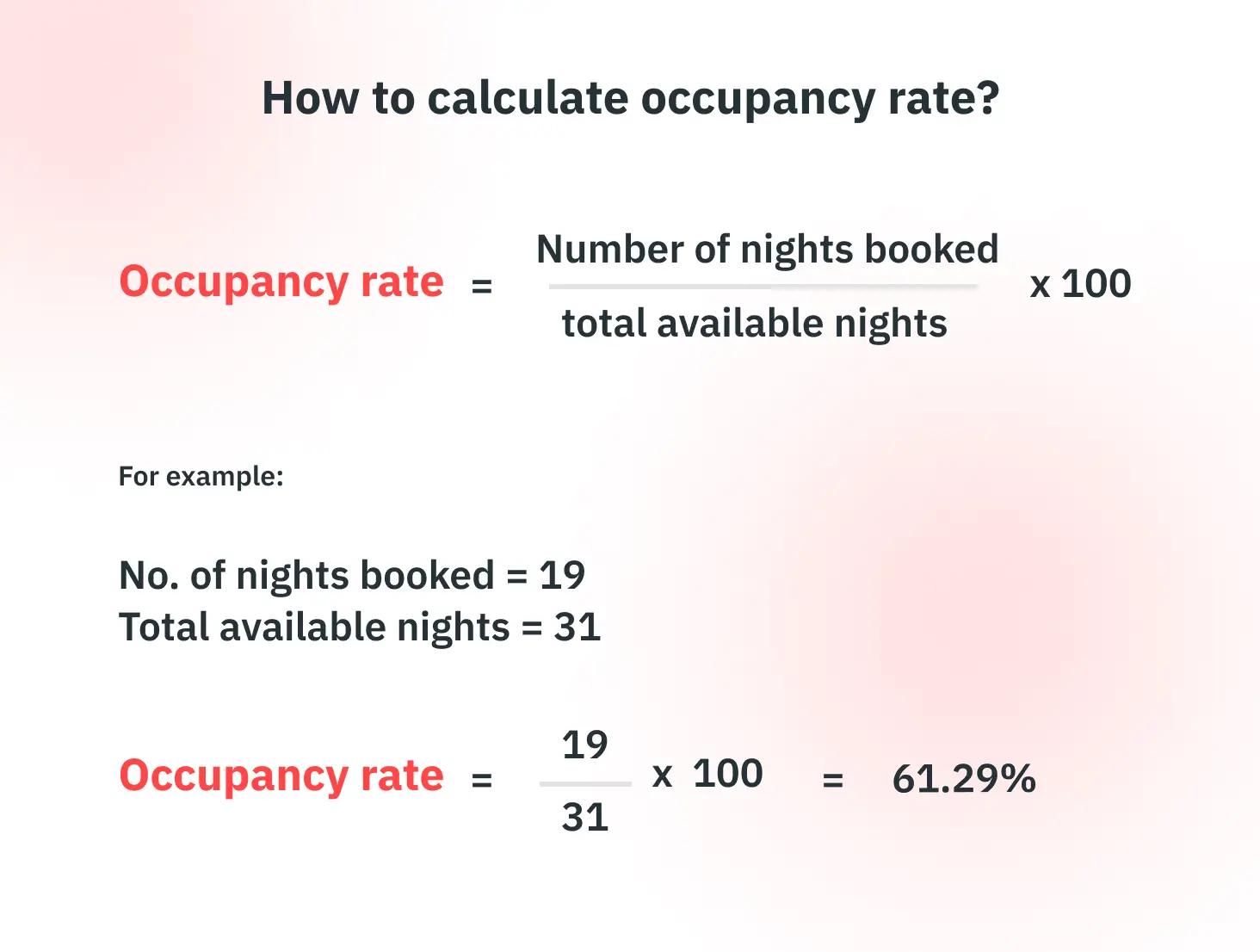
Both factors are influenced by the time and money you invest in furnishing and maintaining your Airbnb property. Airbnb operates in over 100,000 cities worldwide, boasting more than 7 million listings, so competition can be fierce.
It’s important to set realistic profit expectations, especially if you can’t commit significant time and energy to hosting. The more effort you put into creating a beautiful, functional, and comfortable space, along with timely responses to guest inquiries, the better your reviews will be. You’ll be rated on overall experience, accuracy, cleanliness, communication, check-in, location, value, and amenities. Positive reviews can boost your visibility in Airbnb’s search rankings, leading to more bookings.
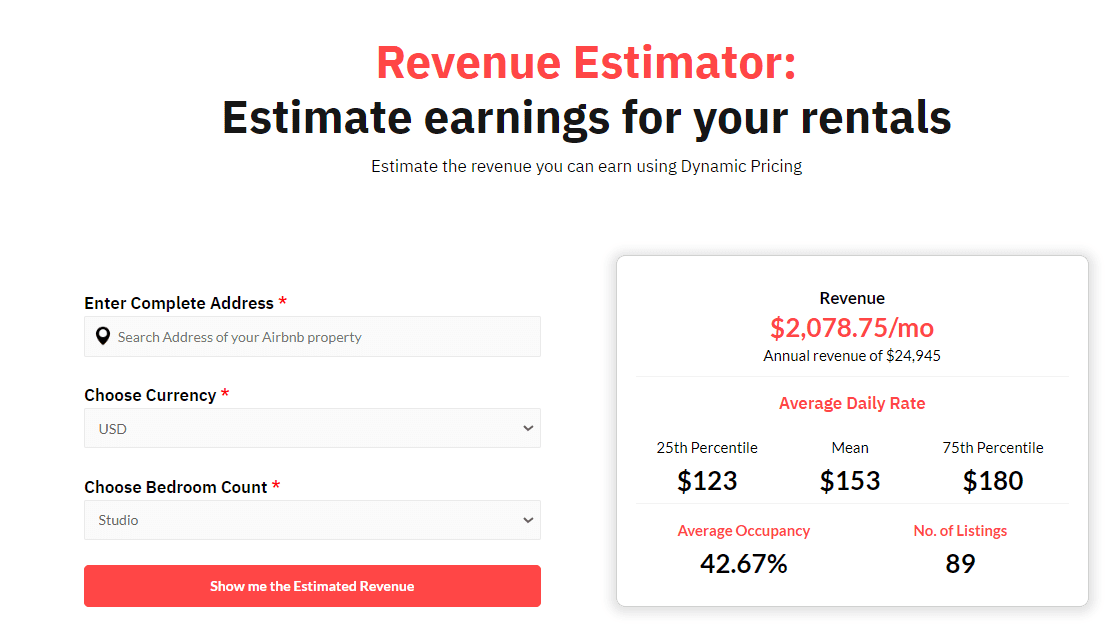
To maximize your earnings, focus on both your average daily rates (ADR) and your occupancy rate. Enhancing your property’s appeal and managing the guest experience from check-in to check-out will contribute to positive reviews, ultimately driving more bookings. As you gain experience, you can adjust your expectations and pricing strategy to better reflect your growing expertise.
Following these easy steps, you will know how to start an Airbnb business. But remember, it’s not just about making money – it’s about making guests happy.
But beyond the steps and strategies, hospitality is a crucial element that can set you apart. Treat your guests like friends, not just customers.
You can turn a simple stay into something truly special in this journey. Embrace the role of a host, and watch your Airbnb business thrive while making travelers’ trips extraordinary.
For converting your own home into a rental, see our guide to making your home a vacation rental, and for broader guidance on renting out short-term, see our guide for renting short-term rentals. For getting the technical setup right, see our guides to instant booking and, if you ever need it, deleting your Airbnb account.
For growing your business beyond the basics, see our guides to the Airbnb affiliate program, using analytics to improve hosting, and influencer marketing for vacation rentals. For staying current on platform changes, see our note on past Airbnb platform updates.
Once you've decided to start, understanding how each platform actually operates is the next step — see our guide to how Airbnb works.
Want to learn what PriceLabs can do for you? See for yourself with a free trial. Get started now!