Get started with PriceLabs now!
Want to learn what PriceLabs can do for you? See for yourself with a free trial. Get started now!

The allure of remote property management is undeniable, offering the freedom to operate a hospitality business from anywhere in the world. However, as many short-term rental hosts discover, managing a property from hundreds or thousands of miles away quickly shatters the illusion of purely “passive” income. Whether you are living in Europe and managing a villa in the Caribbean, residing in England while operating a rental in Texas, or simply living a few states away, physical distance amplifies every operational hiccup. When a severe winter storm freezes the main water line, a smart lock traps guests outside in the middle of the night, or a cleaner unexpectedly cancels just hours before check-in, being far away can turn a simple maintenance issue into a logistical crisis.
How hosts handle major utility failures, such as water outages, is critical; survival in this industry relies heavily on rapid response and community relationships. The secret to bridging the gap between a remote owner and a seamless guest experience lies in building a resilient “boots on the ground” infrastructure. A successful remote operation requires more than just automated messaging and dynamic pricing software; it demands a trusted local team of dependable cleaners, versatile handymen, vigilant neighbors, and specialized emergency contacts.
This article will explore how to source, empower, and manage an indispensable local support system. By combining the right technological tools with strong local relationships, remote hosts can transform potential disasters into five-star reviews, ensuring their properties thrive wherever they are in the world.
The “boots on the ground” philosophy is the critical operational pillar for short-term rental success when the owner is geographically removed. Whether managing a Texas property from an 11-hour flight away in England (Joanna Woods) or navigating a 7-hour time difference (Julia Havia), the host cannot personally intervene. Strategic success depends on transforming the owner’s role from a hands-on operator to a remote supervisor of a local proxy network. This infrastructure maintains property value and guest satisfaction by bridging the physical gap with clinical precision.
Core Operational Challenges:
Professional Standards for the Remote Operator:
This framework moves the operation from reactive crisis management to proactive asset oversight.
A multi-layered support network is the backbone of a remote operation, designed specifically to mitigate the risk of a Single Point of Failure (SPOF).
The cleaning team is the most vital hire. Beyond sanitation, they act as onsite inspectors who identify damage—like ruined frying pans or “blood on the sheets” (Kevin Horn)—before the next guest checks in.
Remote hosts must establish a roster of “preferred partners” (HVAC, plumbers, electricians) to avoid the “emergency surcharge” of unknown vendors.
For high-stakes portfolios, an “inspector” provides an additional layer of quality control. This role verifies that the property is “extra perfect” (Charlene Miller), specifically checking for minor oversights like hair in the tub or missing supplies that a primary cleaning team might overlook during a high-speed turnover.
Neighbors are “logistics recovery agents” capable of handling “fortuitous coincidences.” Their proximity allows for immediate intervention in scenarios a contractor cannot reach quickly, such as removing a snake from a guest’s kayak (Frankie Painter), checking on a leak after a storm (Jyoti Sachdeva), or towing a guest’s car out of a ditch (Myriam Scally).
The 10:00 AM to 4:00 PM turnover window is a high-velocity operational phase where precision determines profitability.
| Potential Turnover Crisis | Operational Solution |
| Late Checkouts (e.g., Guests on-site at 2:00 PM) | Pay cleaners “extra” for speed; provide incoming guests with $200 gift cards for dinner to clear the home (Kristie Weber). |
| Disastrous Messes (e.g., Pet urine/odors) | Deploy emergency carpet shampooers or leverage home-based laundry services for same-day duvet turnarounds (Michelle Woods). |
| Vendor No-Show | Maintain a “reserve list” of contractors sourced through local word-of-mouth and Facebook community groups (Maddi). |
Strategic remote management relies on “preventative maintenance”—checking systems like boilers hours before arrival (Nicholas Casely-Parker)—rather than responding to failure.
Hosts should implement “dead simple” fixes to reduce support volume.
The “Human Layer” is the ultimate safeguard against negative reviews during an infrastructure crisis. Empathy is a tactical tool used to turn a “nightmare” into a high-loyalty relationship.
A professional “tech stack” allows the remote manager to shift from “operating” to “overseeing.”
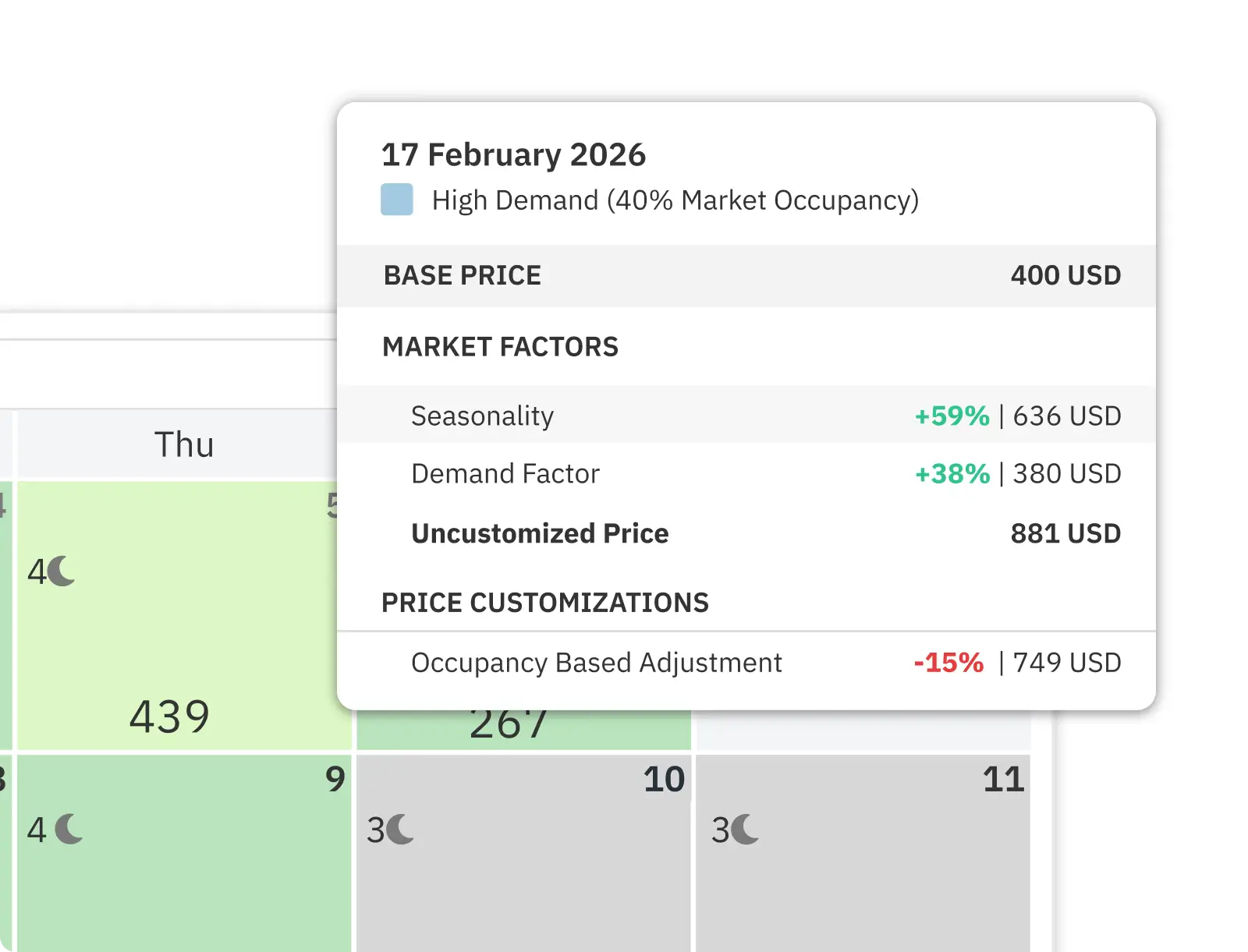
PriceLabs is the strategic engine for value optimization.
Great hosting is not defined by the absence of problems, but by the speed and empathy with which those problems are solved. A resilient remote operator builds a “bulletproof” system where technology handles the pricing and access, while a trusted human network handles the physical reality. As the saying goes, “Great hosting isn’t tested when everything goes right; it’s tested when something goes wrong and you still show up” (Puneet Dhillon).
Non-Negotiable First Steps:
Managing remotely still comes down to the fundamentals in our complete guide to property management.
Want to learn what PriceLabs can do for you? See for yourself with a free trial. Get started now!