Table of Contents
Updated : Apr 3, 2026
Running an independent hotel or a small property portfolio is a labor of love, but the competition is fierce. Between massive hotel chains and the ever-shifting landscape of Online Travel Agencies (OTAs), independent hoteliers often feel like they are fighting an uphill battle.
One of the most common questions for property owners is: “What’s the best way to manage ADR and RevPAR in small-scale hospitality operations?” To grow your business, you need to master the two most critical metrics in the industry:
- Average Daily Rate (ADR): This is calculated by dividing room revenue by the number of rooms sold.
- Revenue per Available Room (RevPAR): This assesses revenue efficiency by looking at total room revenue relative to total available rooms or by multiplying ADR by occupancy rate.
If you want to stop leaving money on the table, you need actionable strategies tailored for lean teams. Here are five proven methods to optimize your ADR and RevPAR and reclaim your competitive edge.
1. Implement Dynamic Pricing for Small Hotels
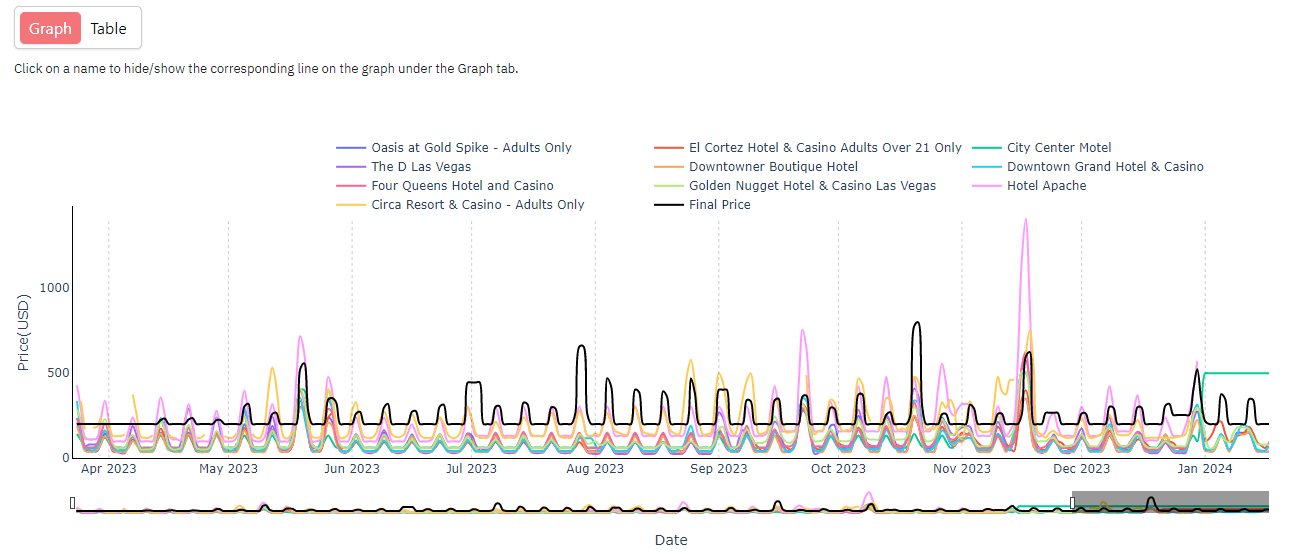
Gone are the days of manual pricing and static spreadsheets. In today’s market, dynamic pricing is a necessity. This strategy allows you to automatically adjust room rates in real-time based on demand, market trends, and competitor behavior.
Transform your hospitality approach today
Discover actionable strategies tailored for small hotel owners and managers creating unforgettable stays for your guests & expanding revenues for your hotel!
Start your 30-day FREE trial now!Why Automation Wins:
- Real-Time Adjustments: Dynamic pricing strategies that adjust rates based on demand and competition can optimize ADR.
- Market Intelligence: Instead of guessing, use AI for hotel pricing to respond to local festivals, concerts, or seasonal shifts.
- Variables That Influence Your Rates:
- Current occupancy levels.
- Competitor pricing and performance.
- Booking window (how far in advance guests book).
- Local events and seasonality.
2. Encourage Direct Bookings to Improve Net Revenue
While OTAs like Booking.com and Expedia provide global visibility, their commission fees eat into your bottom line. Shifting reservations to your own website—a phenomenon known as the Billboard Effect—is a powerful way to boost your net ADR.
How to Drive Direct Bookings:
- Exclusive Perks: Offer a complimentary breakfast, flexible cancellation policies, or loyalty points that aren’t available on OTAs.
- Website Optimization: Ensure your site is professional, mobile-optimized, and fast-loading to prevent friction during the booking process.
- Incentives: Use promo codes or unique on-site deals to make direct reservations more attractive.
3. Master Upselling and Cross-Selling
You don’t always need new guests to increase revenue; sometimes, you just need to provide more value to the ones you already have. Upselling encourages guests to purchase higher room categories, while cross-selling promotes additional services.
Actionable Ancillary Revenue Ideas:
- Room Upgrades: Offer a superior room or suite upgrade to enhance the guest experience.
- Add-ons: Think late check-outs, in-room amenities (like a local snack basket), or parking fees.
- Bundled Packages: Create a “romantic getaway” featuring dinner for two and spa access to lift your total revenue.
4. Deploy Targeted Marketing and Seasonal Promotions
Occupancy and rate are a balancing act. Targeted marketing ensures you are reaching the right guest segment at the right time to enhance RevPAR.
- Low Season: Use seasonal offers and promotional campaigns to boost occupancy when demand is slow.
- High Demand: Raise rates and implement Length of Stay (LOS) restrictions to ensure you aren’t filling rooms with low-value stays during peak events.
- Hyper-Local SEO: Write blog posts about “best places to eat near us” to attract organic traffic from travelers searching for local experiences.
5. Leverage Data Analytics for Smarter Decisions
You cannot manage what you do not measure. Using ADR and RevPAR analysis allows you to see the “health” of your business.
- Performance Benchmarking: Compare your metrics against a “Comp Set” of direct neighbors and similar properties.
- Identify Pricing Gaps: High ADR with low occupancy suggests you may be overpriced; low ADR with high occupancy suggests you may be underpriced.
- Pacing Reports: Use them to compare your current bookings with historical data and market trends.
How PriceLabs Can Help

PriceLabs platform integrates seamlessly with over 170 Property Management Systems (PMS) to automate your pricing strategy. With PriceLabs, you get:
- Dynamic Pricing: Rates update daily based on market demand, competitor activity, and seasonality.
- Market Dashboards: Clear insights into stay lengths in demand and performance metrics like RevPAR and ADR.
- Automated LOS Restrictions: Maximize occupancy by automatically adjusting minimum stay requirements based on occupancy targets.
Way Forward
Mastering ADR and RevPAR optimization isn’t about working harder; it’s about working smarter. By embracing dynamic pricing, incentivizing direct bookings, and leveraging data, you can build a resilient and profitable business that outshines the competition.
Frequently Asked Questions
1. How should a small hotel select its comp set for competitive benchmarking?
Choose a mix of direct neighbors, high-end, budget, and outlying properties. It is often best to create separate comp sets for different market segments, such as hotels vs. short-term rentals.
2. How can small hotels balance high ADR with strong occupancy to maximize RevPAR?
The key is to find a balance where rates are attractive enough for guests while also creating scope to enhance revenue. Finding this “sweet spot” ensures you don’t price too high (lowering occupancy) or too low (diluting ADR).
3. Which tools can small hotels use to manage ADR and RevPAR effectively?
A robust Property Management System (PMS) to manage operations and a revenue management tool, such as PriceLabs, to automate pricing, are essential.