
Get started with PriceLabs now!
Want to learn what PriceLabs can do for you? See for yourself with a free trial. Get started now!

A host in a coastal market found the perfect property — two bedrooms, ocean view, walkable to restaurants, already furnished. She made an offer, it was accepted, and she closed in 45 days. Two months later, while setting up her Airbnb listing, she discovered that the city had passed a non-owner-occupied STR ban eight months earlier. The property could not legally be listed on Airbnb. It was rentable on a long-term basis only. The investment thesis — built on projected STR income — was gone. The check she should have made first took 15 minutes. This is why the Airbnb property acquisition checklist starts with regulations — not financials, not photography, not listing strategy. Regulations first. Everything else second.
An Airbnb property acquisition checklist covers eight key stages: market selection, regulatory verification, financial modeling, deal sourcing, due diligence, financing, property inspection, and launch preparation. Revenue Estimator Pro tools can validate income projections before you make an offer — replacing seller claims with independent market data.
An Airbnb property acquisition checklist covers eight key stages: market selection, regulatory verification, financial modeling, deal sourcing, due diligence, financing, property inspection, and launch preparation. Location determines 70–80% of STR success — the checklist ensures you choose location with data, not intuition. Regulatory verification is the non-negotiable first gate: a market that bans non-owner-occupied rentals is not a viable Airbnb investment regardless of how attractive the property looks.
Location determines 70–80% of STR success. That figure comes from market research across thousands of listings — and it confirms what experienced hosts already know: the right property in the wrong market is a bad investment, but the right market can make a mediocre property perform well. The buying Airbnb property steps in this checklist are ordered to prioritize the decisions that matter most — starting with the ones that can eliminate a market entirely before you spend time on property-level analysis. The complete guide to becoming an Airbnb host covers the operational setup that follows acquisition.
The most consequential decision in the entire acquisition process happens before you look at a single listing. Short-term rental regulations are hyperlocal, frequently changing, and carry consequences that range from permit denial to property devaluation.
Short-term rental regulations before buying must be verified as current — an article from 2022 or even a Realtor's verbal assurance is not sufficient. Many markets that were permissive in 2022 now have active permit caps, owner-occupancy requirements, or full STR bans
Revenue management for vacation rentals becomes irrelevant if the property can't legally operate as one.
What to check specifically:
Red flag: any listing agent or seller who says "don't worry about regulations." That response is exactly when to worry — and to verify independently. Recommended resources for current regulatory status: city planning office website, local STR permit portal, local host Facebook groups (active hosts know what's changed recently), and STR-specific real estate attorneys in the target market. Property management professionals in the target market can often advise on local regulatory trends that haven't yet made it into public documentation.
Once you've confirmed a market is legally viable for STR operation, the next step is evaluating whether it's financially compelling. Not all legal markets are good markets — supply growth, seasonality depth, and long-term demand trends vary enormously. Vacation rental market analysis before buying uses market-level data, not property-level projections, to answer the fundamental question: does this market produce reliable STR income? Market Dashboard tools give you real market-level data for any target location.
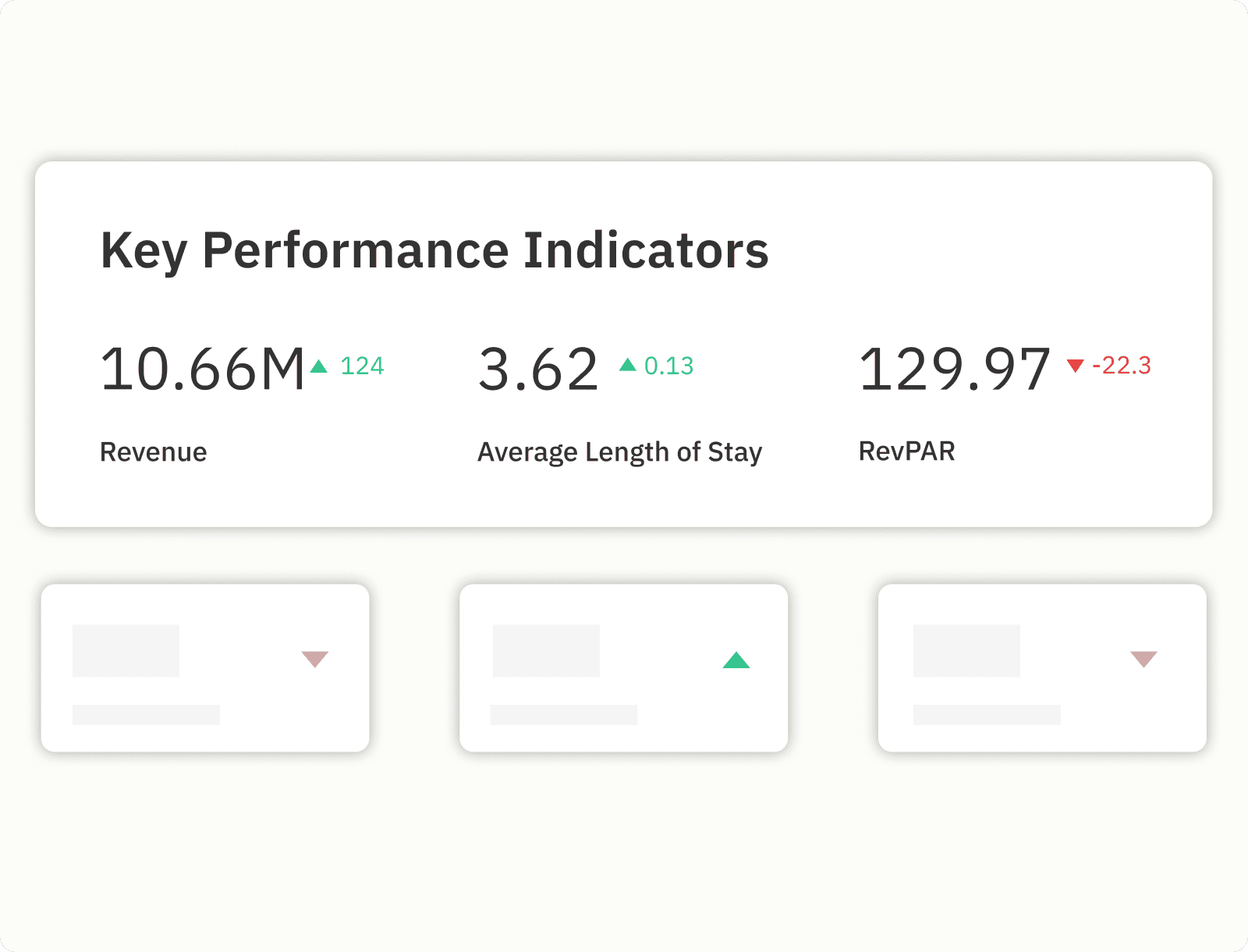
Key demand metrics to evaluate:
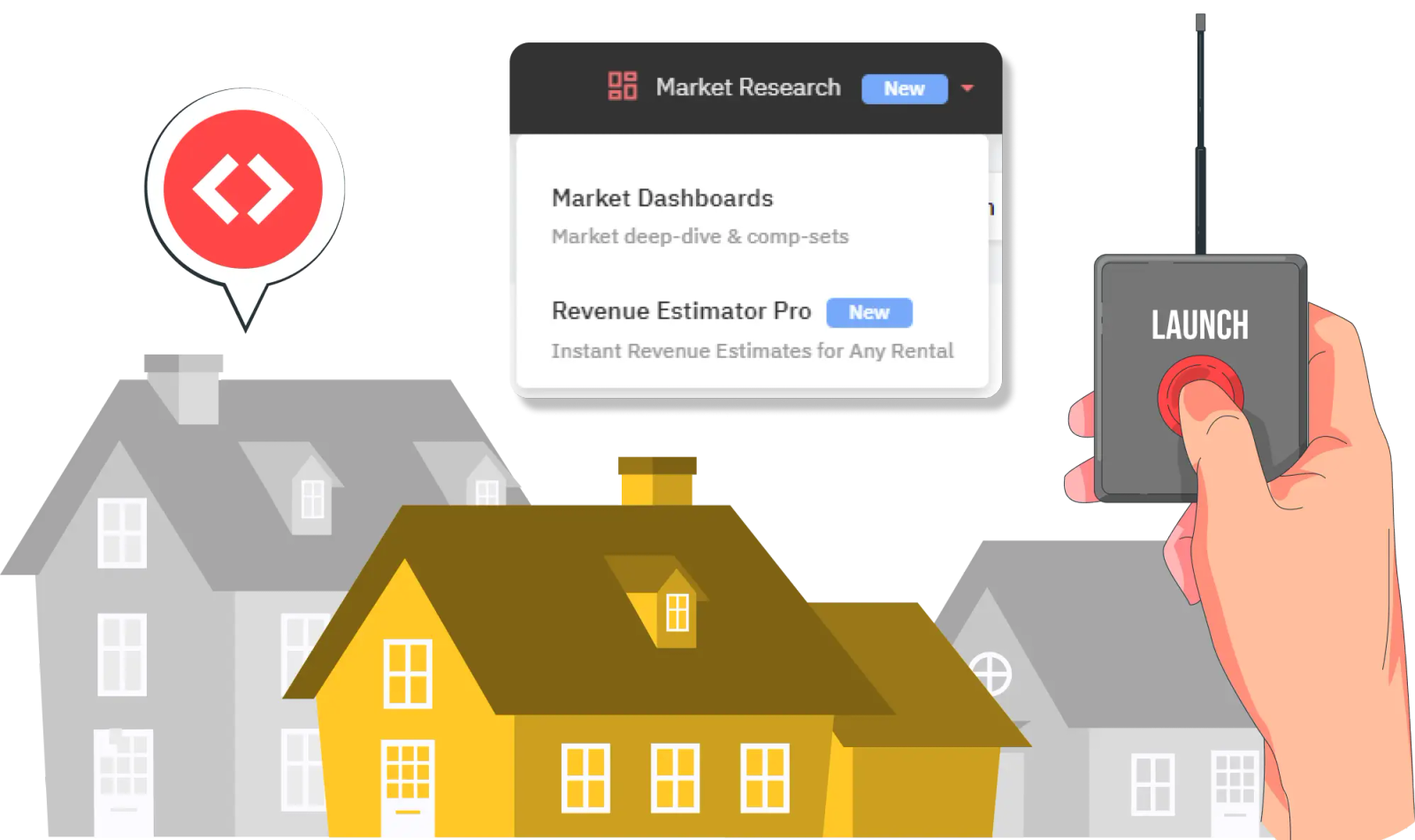
PriceLabs Revenue Estimator Pro lets you enter a specific address and get an independent income projection based on comparable listings and local market data — before you make an offer. This replaces the seller's projections (which may be based on cherry-picked data) with an objective market-level estimate. Income estimation tools are how data-driven buyers evaluate STR market selection. The STR investment property checklist item on market validation is where most first-time buyers either invest wisely or overpay.
Before submitting an offer on any property, build a financial model that converts market-level demand data into property-specific profitability projections. This model is the difference between an informed offer and a hope-based one. Income verification STR purchase starts with building your own model — not accepting the seller's. Revenue management strategy for a new property begins at acquisition, not after closing. The Airbnb property purchase guide your Realtor gives you will not include this analysis — you have to build it yourself.
The financial model has five components:
Critical warning: never use the seller's projected revenue without independent verification. Sellers have strong incentive to present their property's best performance window — often peak season only, or a year with an anomalous event nearby. Cross-reference all projections against comparable active listings in the same market segment.
PriceLabs Revenue Estimator Pro provides this independent income validation from real market data, not from the seller's Airbnb dashboard screenshots. Income calculation tools for Airbnb investors are essential due diligence, not optional accessories.
STR investment properties are classified as investment properties by most lenders — not primary residences — which changes the financing terms significantly. Understanding the financing landscape before you identify a target property prevents the common mistake of falling in love with a property you can't actually close on at the terms your model requires. Airbnb property financing down payment expectations are higher than what first-time buyers typically assume. Professional STR operators plan their financing strategy as early as the market selection phase.
Standard financing options for STR purchases:
Budget for cash needs beyond the down payment. Closing costs typically run 2–5% of purchase price. Furnishing and staging a new STR property costs $5,000–$25,000 depending on size and the quality level your target market demands. STR permit fees, initial supplies, and professional photography add another $1,000–$3,000. Cash reserve: keep 3–6 months of operating expenses in reserve after closing — maintenance surprises and early vacancy periods are common in the first year.
The complete buying Airbnb property steps financial plan accounts for all of these upfront cash needs, not just the down payment. Revenue projections from income estimation tools help you calibrate how quickly the property will generate sufficient cash flow to rebuild reserves.
STR due diligence goes beyond a standard home inspection because the property will receive significantly higher foot traffic and more frequent turnover than a primary residence. Appliances wear faster. Bathrooms see more use. Outdoor spaces, pools, and hot tubs require specific safety compliance that isn't part of a standard home inspection.
Short-term rental due diligence is a distinct process — work with an inspector who has evaluated STR properties before, or supplement a standard inspection with your own STR-specific checklist. Automation for property management starts with a property that's operationally ready for STR use from day one.
STR-specific inspection checklist:
Verify insurance before closing. Standard homeowner policies exclude short-term rental activity. Get a quote for dedicated STR insurance from a provider like Proper Insurance or Slice before closing — if it's prohibitively expensive or unavailable in that market, reconsider the acquisition. Insurance unavailability is sometimes an early warning signal of regulatory risk in a market. Market research tools can reveal regulatory risk patterns that insurance pricing often reflects.
If you're buying a property that's already operating as an Airbnb, the seller's revenue claims require independent verification. This is where the STR investment property checklist overlaps directly with the financial due diligence process.
Revenue management tools can validate what a property should earn based on current market conditions — separate from what a seller claims it historically earned. Income verification STR purchase means checking both the historical record and the forward-looking market estimate.
What to request from a seller of an operating STR:
Red flags in seller revenue documentation:
Cross-reference seller claims with PriceLabs Revenue Estimator Pro or AirDNA Rentalizer: enter the address or comparable listings and generate an independent income projection. If the seller's claimed revenue significantly exceeds what market comparables project, investigate the discrepancy before making an offer. A property that legitimately outperforms market comps should have a verifiable explanation — a unique amenity set, exceptional reviews, or a proprietary direct booking channel.
Income projection tools for Airbnb investors provide the baseline comparison that makes verification possible. Check the listing's review history and Superhost status — a property with sustained strong reviews and stable Superhost history is a more reliable income asset than one without that track record.
After closing, the operational setup phase begins. This is where the Airbnb property acquisition checklist transitions from evaluation to execution — and where the decisions you make in the first 30–60 days affect your initial ranking on Airbnb and your first-year income trajectory.
The complete host guide covers listing setup and early optimization in detail. The Airbnb property purchase guide ends at closing — the operational guide begins the day you get the keys.
Step 7: Licensing and Insurance
Step 8: Pre-Launch Checklist
Launch pricing strategy matters more than most new hosts realize. Your first 30–60 days on Airbnb affect your listing's algorithm ranking — and early reviews anchor your reputation for the first year. Some hosts launch with slightly lower prices to accumulate reviews quickly before moving to full market rates. PriceLabs can automate a new-listing ramp strategy: starting prices at 10–15% below comparable comps, with a programmed increase schedule as reviews accumulate.
Proven Airbnb pricing tactics for new listings balance the review-building goal with the revenue protection goal. Set up Portfolio Analytics from day one so you have a performance baseline to measure against — your first 90 days of data become the benchmark for everything that follows.
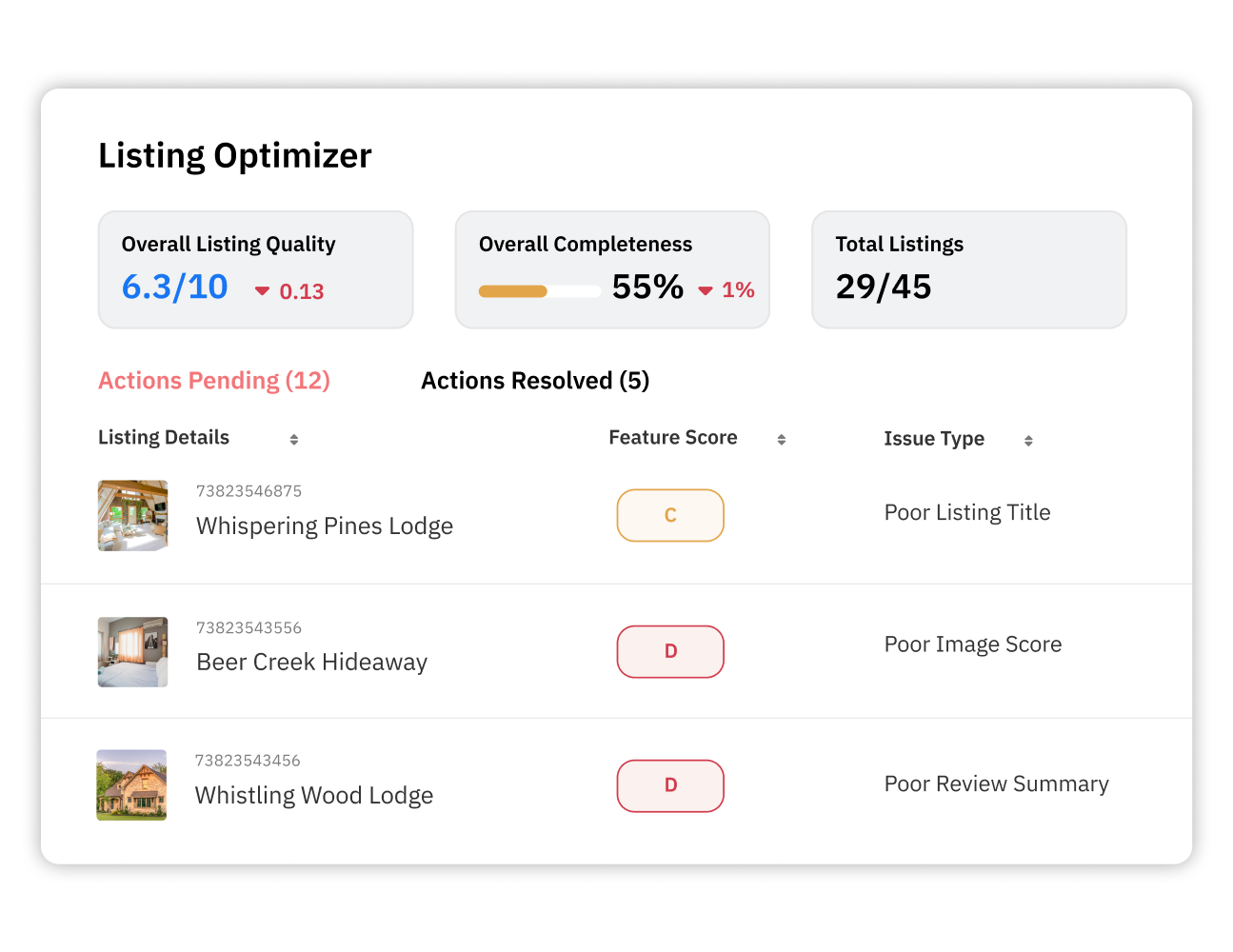
Listing optimization is the next lever after pricing — once your pricing is set, your listing quality determines whether browsers convert to bookers. Automation tools from day one reduce the operational overhead of a new listing significantly.
Verifying local short-term rental regulations before any other step is the single most important action. STR rules are hyperlocal and change frequently — a property in a city that bans non-owner-occupied rentals or caps annual rental nights is not a viable Airbnb investment regardless of how attractive the property looks. Check city ordinances, HOA rules, and permit requirements before analyzing financials or making an offer. The short-term rental regulations before buying check takes 15–30 minutes and can save a six-figure mistake.
Investment properties typically require a 20–25% down payment for conventional loans — higher than primary residence financing. DSCR (Debt Service Coverage Ratio) loans are a popular alternative for STR investors: these qualify based on the property's projected rental income rather than your personal income, making them accessible for buyers who have the cash but not the W-2 income profile for conventional investment loans. Budget an additional 2–5% of purchase price for closing costs plus $5,000–$25,000 for furnishing and setup.
Request 12–24 months of actual booking history, bank statements showing STR deposits, and Airbnb transaction reports from the seller. Cross-reference against independent income estimates from tools like PriceLabs Revenue Estimator Pro or AirDNA Rentalizer, which model what comparable nearby listings earn based on current market conditions. Never rely solely on the seller's projections or peak-season screenshots — income verification STR purchase due diligence requires both historical documentation and independent market validation.
Key metrics include: cap rate (target 6–10%), cash-on-cash return (target 8%+), projected gross revenue from market data (not seller claims), break-even occupancy rate, and net operating income. Model all expenses — mortgage, taxes, insurance, cleaning, platform fees, utilities, and maintenance reserves — before assessing viability. STR investment property checklist due diligence requires building this model yourself from independent market data, not from the seller's projections.
Evaluate five market-level metrics: average occupancy rate (target 60%+ year-round for comparable listings), Average Daily Rate relative to your projected costs, RevPAR (ADR multiplied by occupancy), seasonality swing between peak and off-peak months (under 40% drop is healthy), and listing growth rate (under 10% annually signals stable supply). Use PriceLabs Market Dashboards and Revenue Estimator Pro for independent market data on any target city or neighborhood, and cross-reference with AirDNA for market-level trends.
The eight steps from search to keys are sequential for a reason — skipping ahead to the exciting parts (financing, furnishing, listing) before completing the critical verification steps (regulations, financial modeling, independent income verification) is the most common and most costly mistake in STR investing.
Every step in this Airbnb property acquisition checklist replaces a gut-feeling decision with a data-backed one — and that discipline is what separates investors who build sustainable Airbnb portfolios from those who get burned.
Once you've found your property and are ready to set your pricing strategy, PriceLabs takes over — giving you dynamic pricing calibrated to real local demand from your very first booking. Use Revenue Estimator Pro to validate your next property's income potential before you make an offer. The 15 minutes it takes to run that check is the highest-ROI research investment in your acquisition process.
To make the financial model concrete: in a market like Los Angeles, a one-bedroom unit renting long-term might average around $2,155/month (roughly $25,860/year). Priced instead as a short-term rental at a 50th-percentile nightly rate with a realistic occupancy rate, the same unit can often clear $50,000+ annually — the gap that makes STR conversion attractive in the first place, before financing and operating costs are factored in. Note that financing terms for STR-classified properties are typically less favorable than a standard residential mortgage — expect a larger down payment (often 15% or more) and higher interest rates than a primary-residence loan, on top of the DSCR options discussed above.
For financing this purchase specifically, see our breakdown of the BRRRR method for property investment.
Want to learn what PriceLabs can do for you? See for yourself with a free trial. Get started now!