
Get started with PriceLabs now!
Want to learn what PriceLabs can do for you? See for yourself with a free trial. Get started now!

If you’ve been wondering how to start a glamping business, there’s never been a better time. What began as a quirky camping alternative has evolved into a $4 billion-plus global industry, attracting travelers who seek a blend of nature, comfort, and sustainability in one experience. With tools like PriceLabs, you can analyze glamping markets, benchmark competitors, and automate your rates as demand shifts. This guide breaks down exactly how to start and price your glamping business like a pro, from market research and setup to the pricing strategies.
Glamping, short for glamorous camping, redefines how travelers connect with nature. It combines the freedom of camping with the comfort of a boutique hotel: think canvas tents with plush bedding, off-grid domes with panoramic views, and treehouses equipped with Wi-Fi and espresso machines.
Globally, the glamping segment has been growing at an annual rate of over 10%, supported by trends such as remote work, eco-tourism, and “slow travel.” For hosts, glamping represents a sweet spot between creativity and profitability, offering the ability to build unique spaces on underutilized land while commanding nightly rates that rival those of traditional vacation rentals.
Bonus: How to Calculate Airbnb Income: The Ultimate Guide to STR Profitability
Before investing in tents, domes, or land, your first step should be understanding where demand for glamping is rising and what travelers are willing to pay.
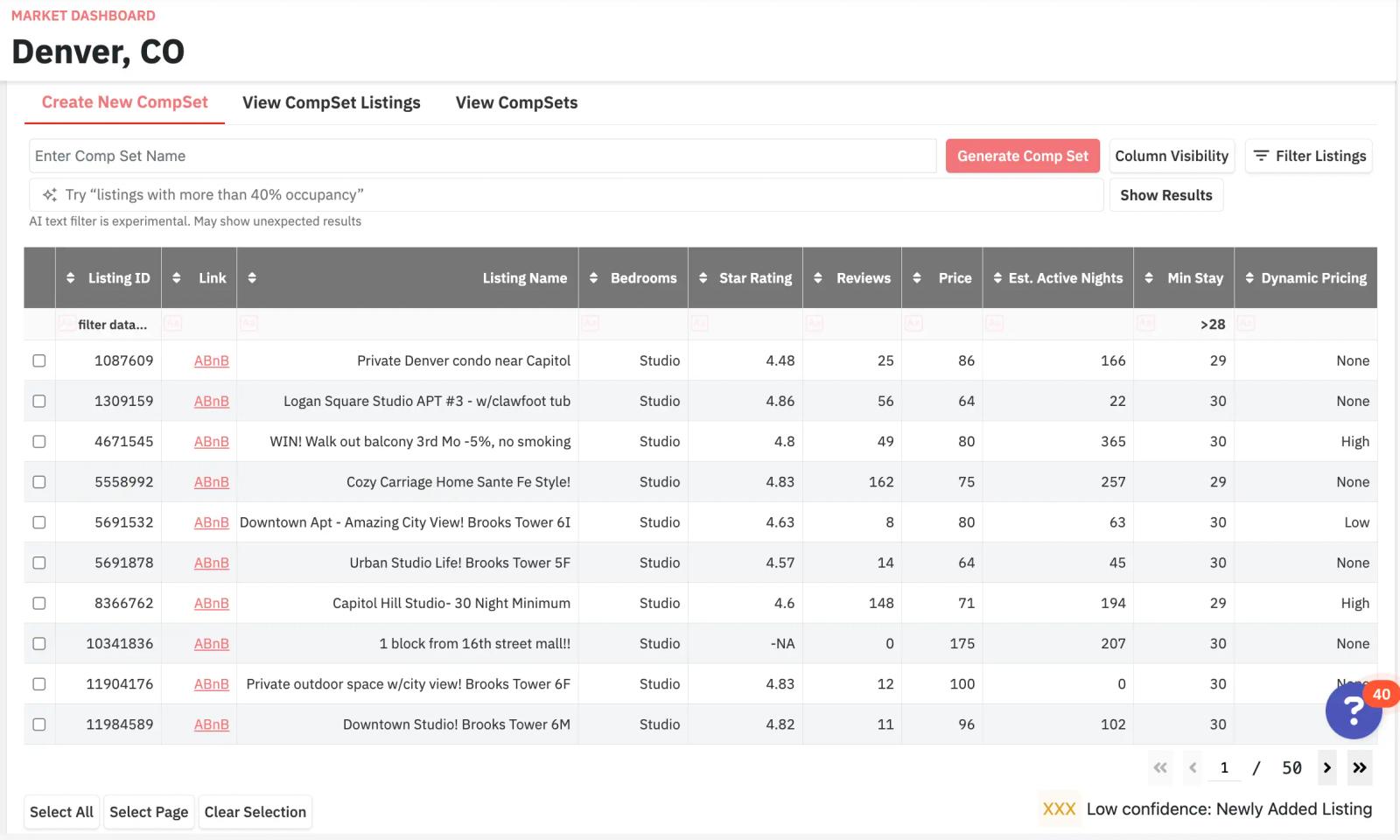
The most successful glamping entrepreneurs don’t guess; they use data. PriceLabs Market Dashboards enable you to analyze average daily rates (ADR), occupancy, and revenue per available night across various regions and property types.
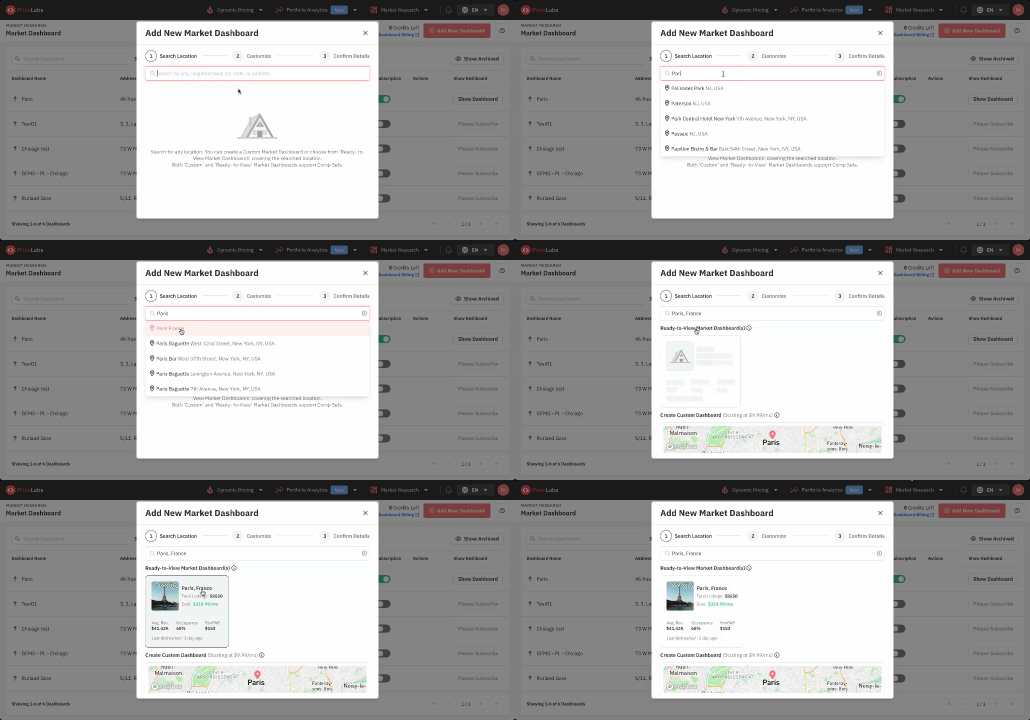
For example, suppose you’re deciding between a mountain retreat in Colorado and a coastal site in Portugal. In that case, Market Dashboards can show which area attracts higher occupancy in shoulder seasons or where average rates peak during holidays.
Before purchasing or leasing land, check:
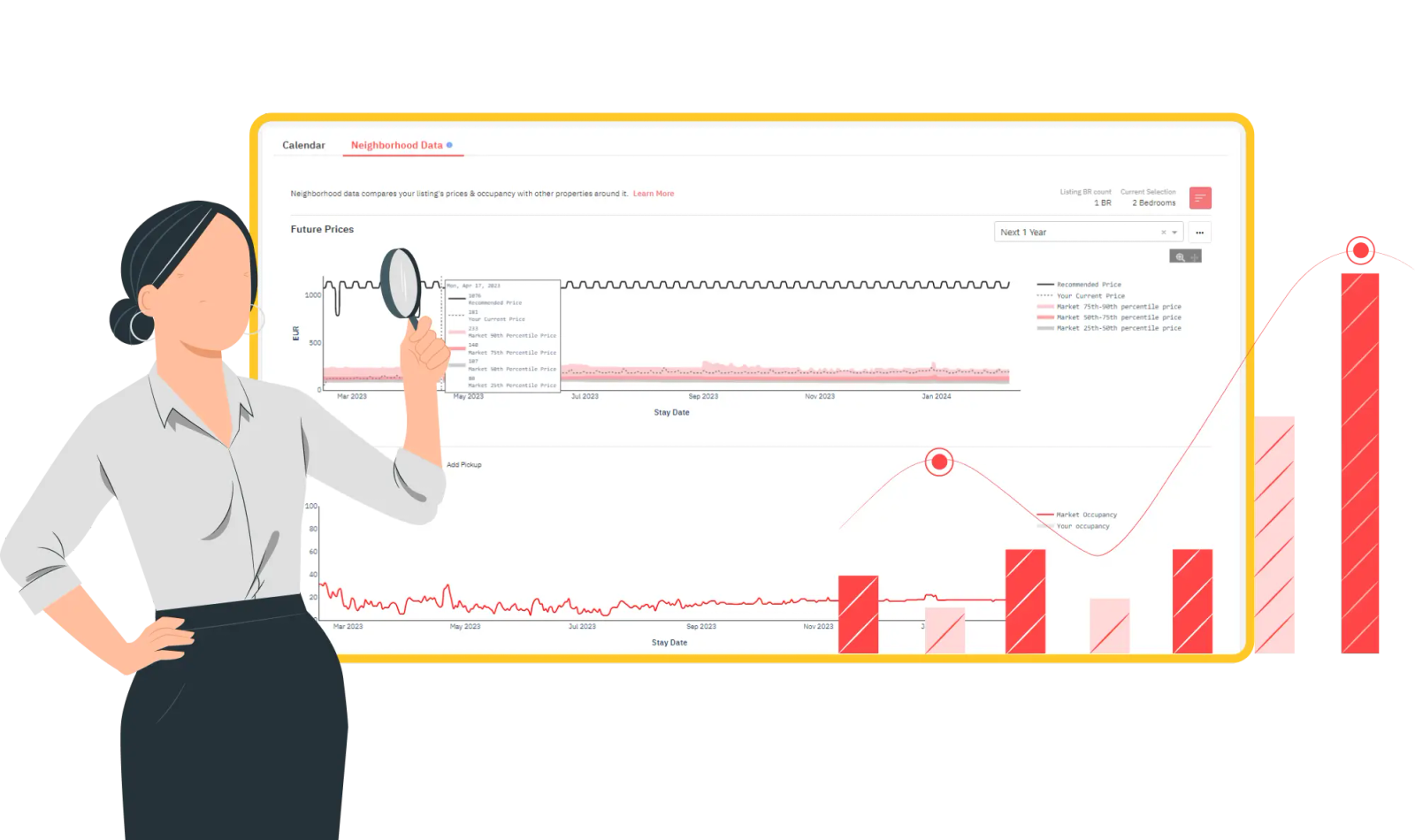
Using Neighborhood Data, you can zoom in further to see how similar listings in a specific area are performing, from price volatility to booking lead times. This helps you identify underpriced niches or local trends (like increased weekend stays or couples-only trips).
Once you’ve identified promising markets, the next step in starting your glamping business is to select the correct location and design an experience that aligns with both demand and your brand vision.
Glamping succeeds on the promise of comfort in nature; invest in amenities that reflect that. Invest in durable structures and eco-friendly materials, such as insulated domes, weatherproof tents, or modular cabins. Solar panels, composting toilets, and rainwater harvesting systems not only lower operating costs but also attract eco-conscious guests.
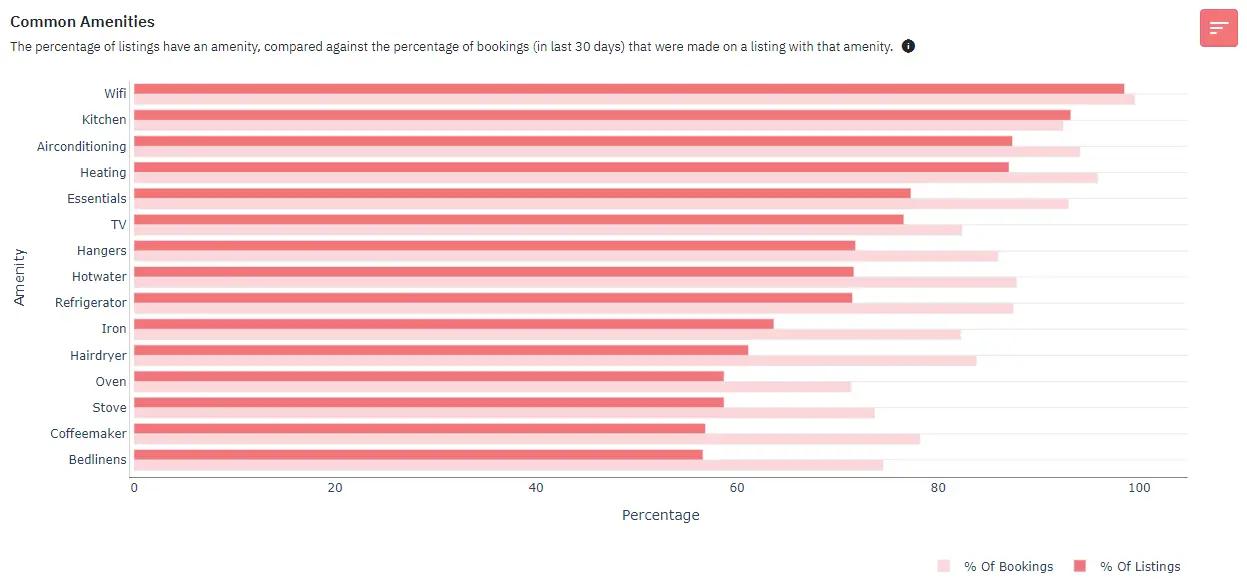
Your glamping setup is only half the story. Your brand and guest experience are what turn first-time visitors into loyal fans (and five-star reviewers). In an increasingly competitive market, storytelling and design make the difference between a nice stay and a memorable escape.
Start by asking: What emotion should guests feel when they arrive?
Are you creating an off-grid adventure, a wellness retreat, or a romantic getaway? Your brand voice, visuals, and even the name of your site should reflect that promise.
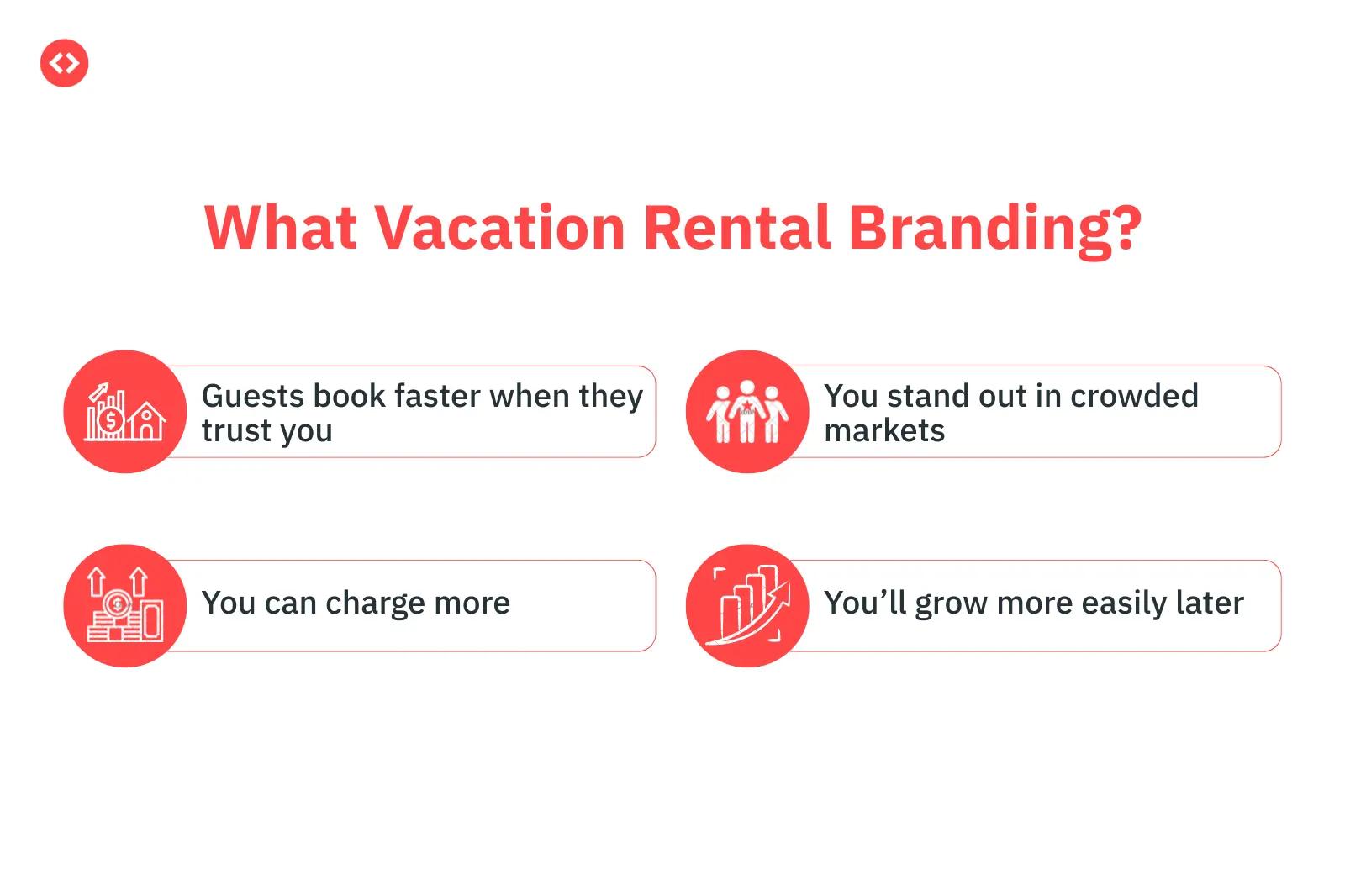
Pro tip: A strong, niche identity (like eco-luxury domes for couples or pet-friendly forest yurts) performs better in search results and social media than generic listings.
Your website and OTA profiles are your digital storefronts.
Use storytelling: describe how it feels to wake up to the sounds of birdsong or sip coffee under the stars. Guests don’t buy tents — they buy emotions.
Even the most beautiful glamping site won’t stand out if guests face poor communication or basic amenities. Focus on small but high-impact details:
These moments drive repeat bookings and glowing reviews that organically boost visibility on OTAs.
Once your listing is live, track what guests love and what they skip. With PriceLabs’ Neighborhood Data and Comp Sets, you can identify how your occupancy and pricing compare to similar listings nearby. This helps you see whether your brand positioning is working and where to adjust amenities or rates.
Pricing can make or break a glamping business. Set rates too low, and you’ll struggle to recover setup costs; price them too high, and you risk empty calendars. The goal is to find that sweet spot: a balance between perceived value, market demand, and seasonality.
Here’s how to price your glamping site like a pro:
Your base price should cover fixed costs (such as utilities, cleaning, and maintenance) while reflecting your property’s experience level.
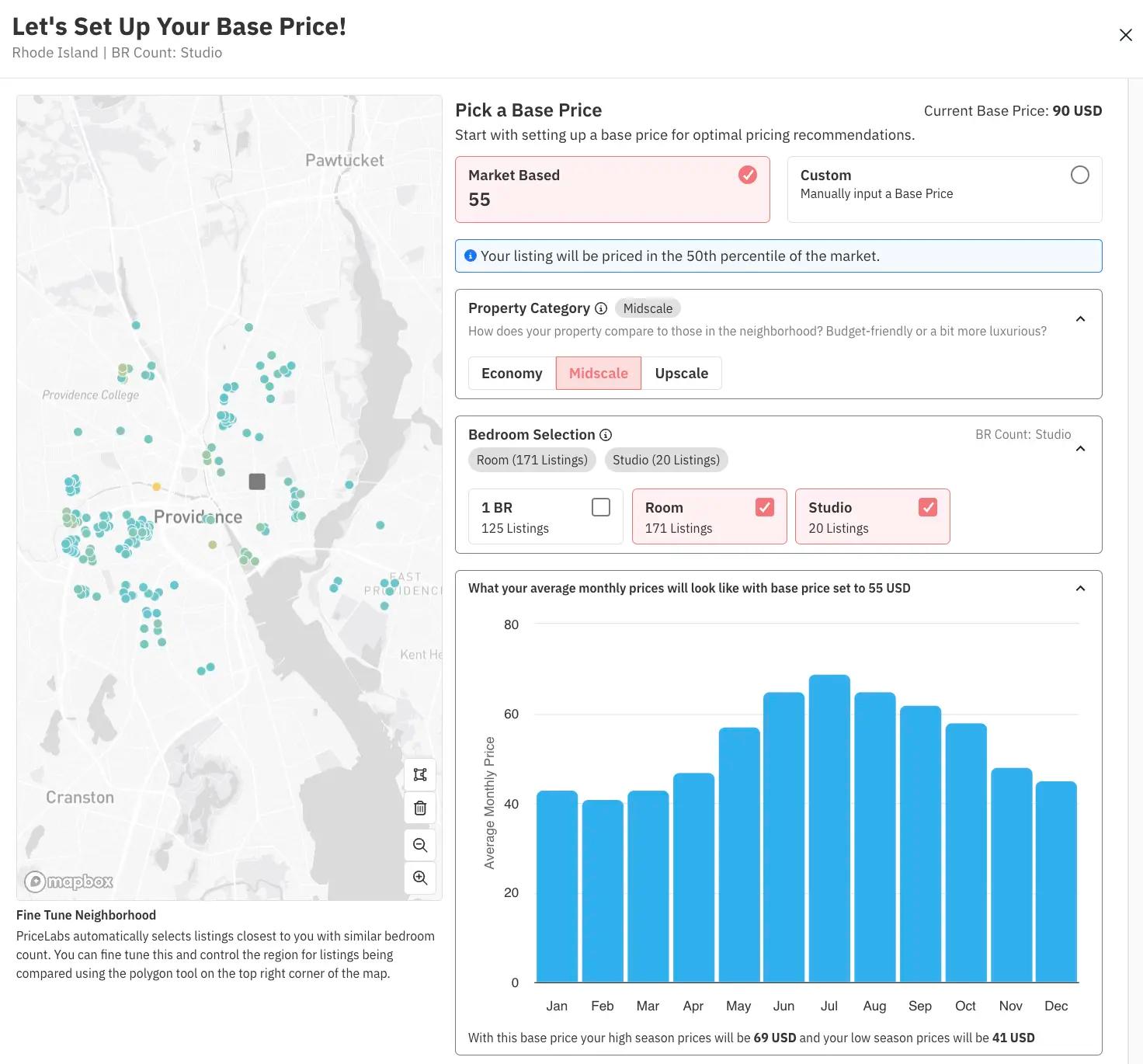
We suggest calculating the base price by averaging:
For Example:
If nearby domes average $180/night and your setup offers solar heating and a private deck, your base ADR might justifiably start around $200–$220.
Use PriceLabs’ Comp Sets to identify similar listings, not just in location, but also in experience level, to benchmark your rates confidently.
Static pricing doesn’t work in glamping. Seasonality, weather, and local events (such as music festivals or long weekends) can significantly impact demand.
With PriceLabs Dynamic Pricing, your nightly rates automatically adjust based on:
This ensures your rates remain competitive during low-demand weeks and optimized for peak seasons.
Pro Tip: Combine dynamic pricing with custom date-specific overrides to capitalize on high-value weekends (e.g., Valentine’s Day or regional festivals).
Longer stays reduce turnover costs and boost stability, especially during shoulder seasons.
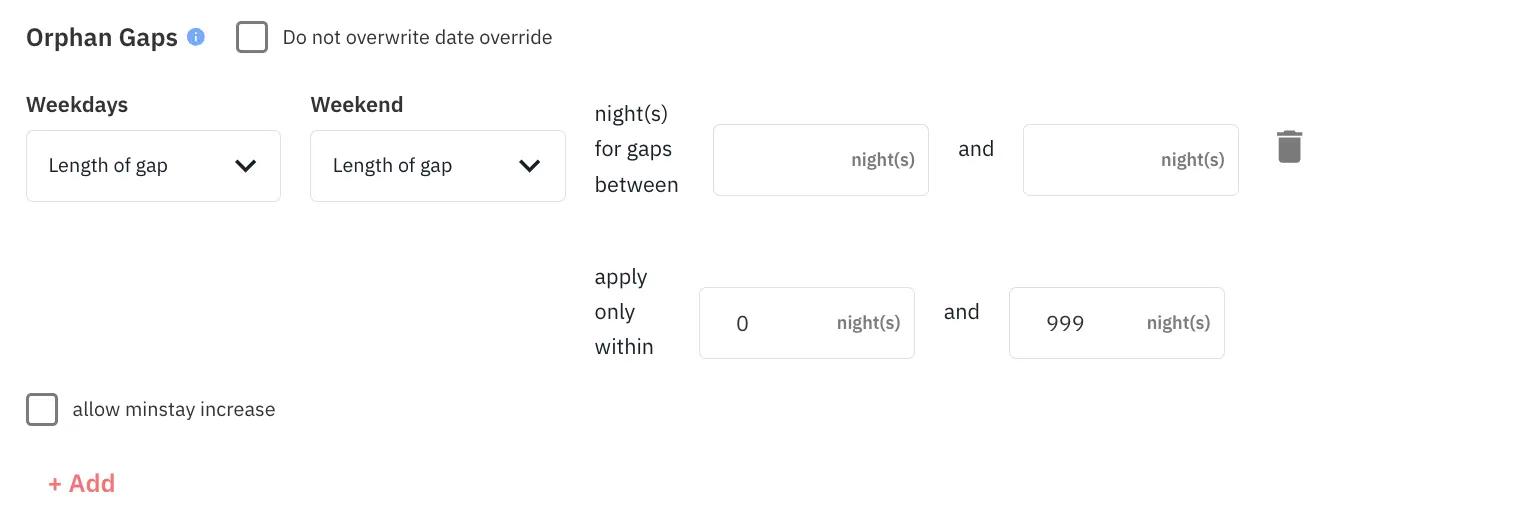
For Example:
A 1-night gap in an otherwise whole week could be offered at a 20% discount automatically, capturing incremental revenue that would’ve been lost.
Your first pricing setup won’t be perfect, and that’s okay. PriceLabs’ Portfolio Analytics helps track key revenue metrics like ADR, RevPAR, and occupancy trends over time.
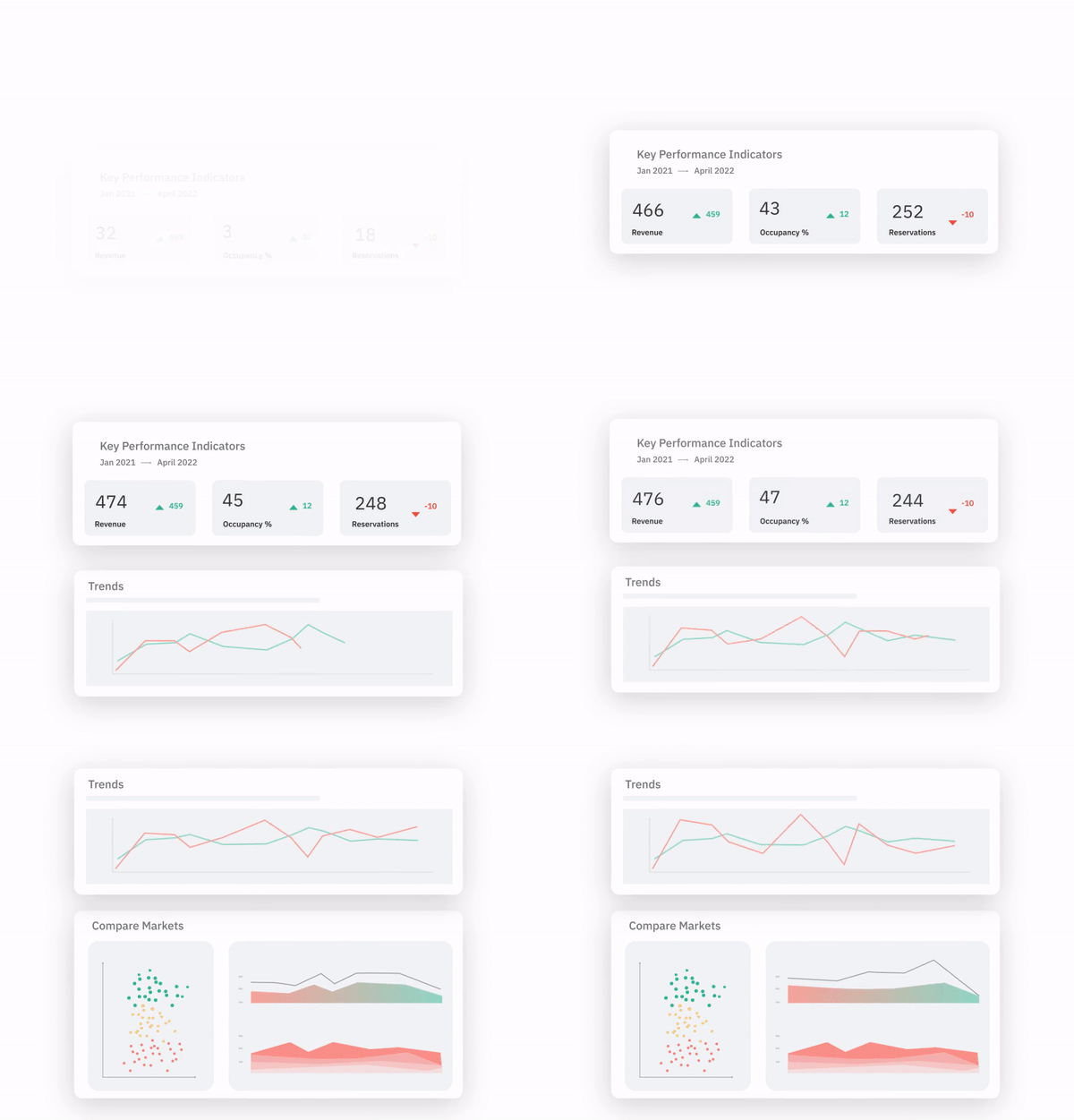
This makes it easy to see whether your rates are too aggressive or too low, and where to adjust. Over time, these insights help you understand your guests’ booking patterns and refine your seasonal strategy.
Once your glamping site and pricing strategy are ready, the next step is to target the right audience. The beauty of the glamping business is that it attracts travelers from diverse booking platforms, but each one caters to slightly different guest profiles.
To reach maximum occupancy, list your property across both mainstream and niche platforms:
Listing on multiple platforms reduces dependency on any single source of traffic, and that’s where PriceLabs comes in.
Manually managing calendars and prices across platforms can quickly lead to errors or double bookings.
With PriceLabs integrations, you can:
For example, you can offer slightly lower rates or added-value benefits (such as free breakfast or early check-in) to guests who book directly through your website.
As your brand matures, create a direct booking website to reduce OTA commissions. Pair this with Google Business, Instagram, and local travel partnerships to increase organic reach.
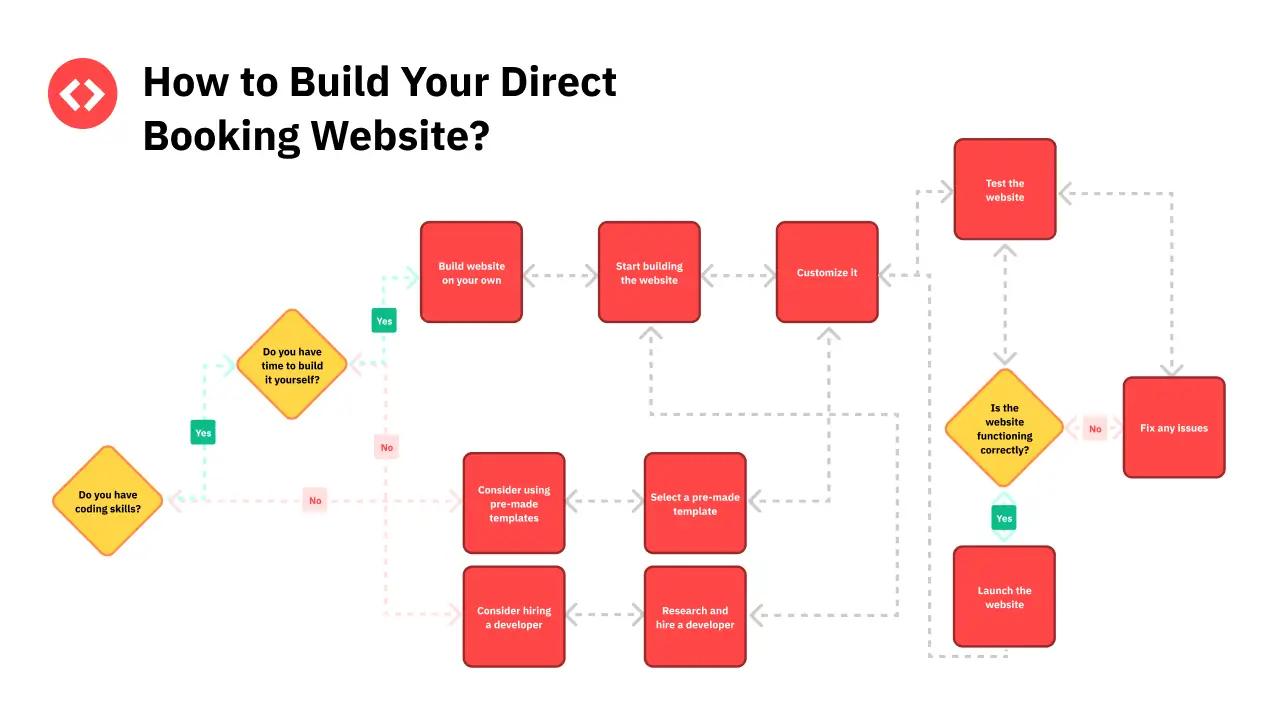
PriceLabs helps maintain price parity between OTAs and your direct channel, allowing you to stay competitive while incentivizing direct guests through perks, not discounts.
The most successful hosts treat their sites like data-driven businesses: they understand market demand, position their brand thoughtfully, and use smart pricing to stay profitable through every season.
Whether you’re converting farmland into eco-pods or setting up domes by the coast, success comes down to three fundamentals:
Glamping may begin with canvas and dreams, but with the right data and automation, it evolves into a consistent cash flow and a lifestyle that thrives on both freedom and financial sustainability.
Pricing a glampsite still comes down to the fundamentals in our complete guide to how to calculate Airbnb income.
Starting this way still follows the fundamentals in our complete guide to becoming an Airbnb host.
Want to learn what PriceLabs can do for you? See for yourself with a free trial. Get started now!