
Get started with PriceLabs now!
Want to learn what PriceLabs can do for you? See for yourself with a free trial. Get started now!

The short-term rental market is not shrinking in 2026. It is sharpening. Travel demand is still strong, but guests are more selective. They know what they want, they tend to book later, and they have more options to choose from than ever before.
The operators who thrive this year will be those who understand where demand is heading and position their properties to meet it. Below are ten data-backed trends shaping the market in 2026, each with clear actions you can take.
Premium properties are holding up better than any other segment. The data tells you why.
High-end tourism is already one of the most resilient parts of the travel market. According to WATG Research, it is currently valued at $1.38 trillion globally and is forecast to grow faster than any other luxury segment through 2028. Grand View Research estimates the broader luxury travel market at $1.59 trillion in 2025, growing at 8.5% annually through 2033.
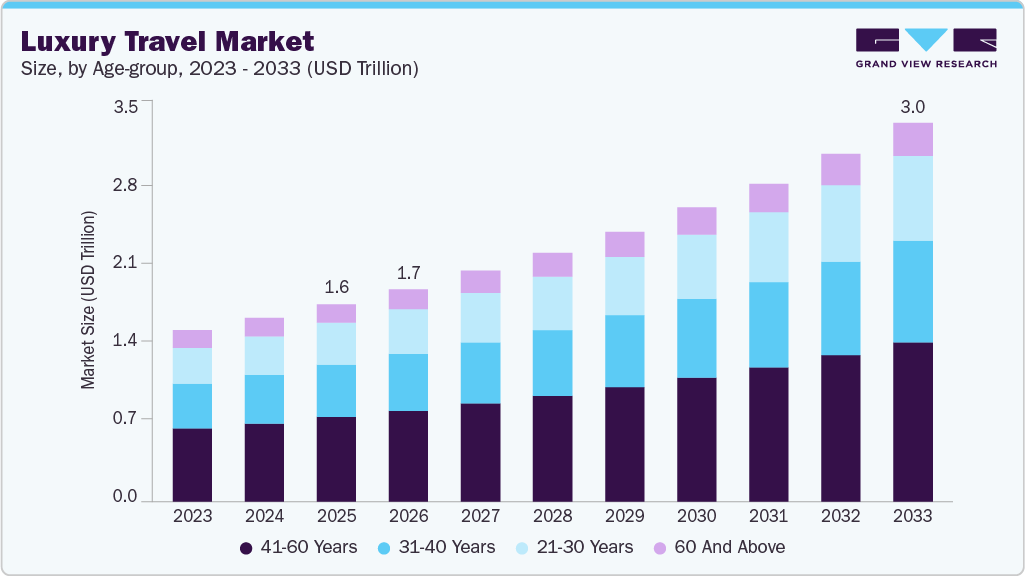
The travellers driving this growth are younger than you might expect. Gen Z and Millennials now represent a growing share of high-net-worth travellers. They prioritise experiences over possessions, and they are entering their peak earning years.
The platforms are already responding. Airbnb has reintroduced hotels and is expected to refresh its premium tier in 2026. Booking.com and Expedia are both leaning into curated, quality-first language in their marketing rather than promoting deals and discounts.
What this means for you
Seasonal patterns are giving way to event-led demand spikes. And 2026 is the biggest event year in recent memory.
Airbnb’s 2026 Travel Predictions found that 65 % of the most-searched 2026 travel dates align with specific global events. Expedia’s independent survey of 24,000 travellers across 18 countries found that 57% plan to attend a sporting or cultural event as part of their trip. Among Gen Z and Millennials, that figure rises to 68%.
The FIFA World Cup 2026 will be held in the US, Mexico, and Canada. Host cities across all three countries will see concentrated demand months before match dates.
The Winter Olympics will drive multi-city European clusters. Coachella, Carnival, and major music tours create shorter but intense local demand windows throughout the year. We have already seen how powerful this effect can be. Airbnb reported that Paris bookings jumped 60% during Taylor Swift’s 2025 Eras Tour dates.
What this means for you
1. Build a 12-month local events calendar. Identify the three to five highest-impact dates near your property.
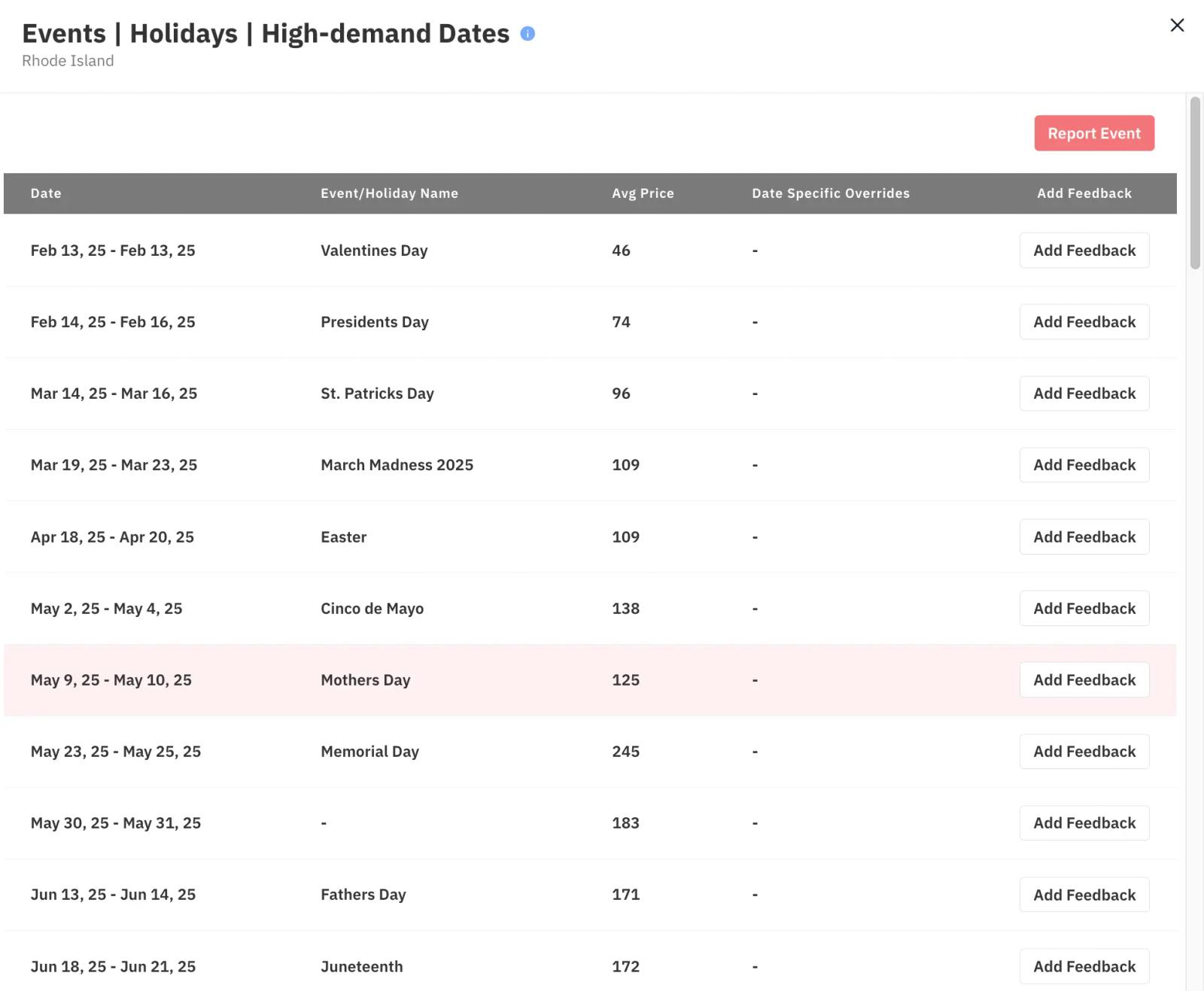
2. Adjust your minimum-stay settings and pricing at least 90 days ahead of major events. The hosts who move early capture the best rates.
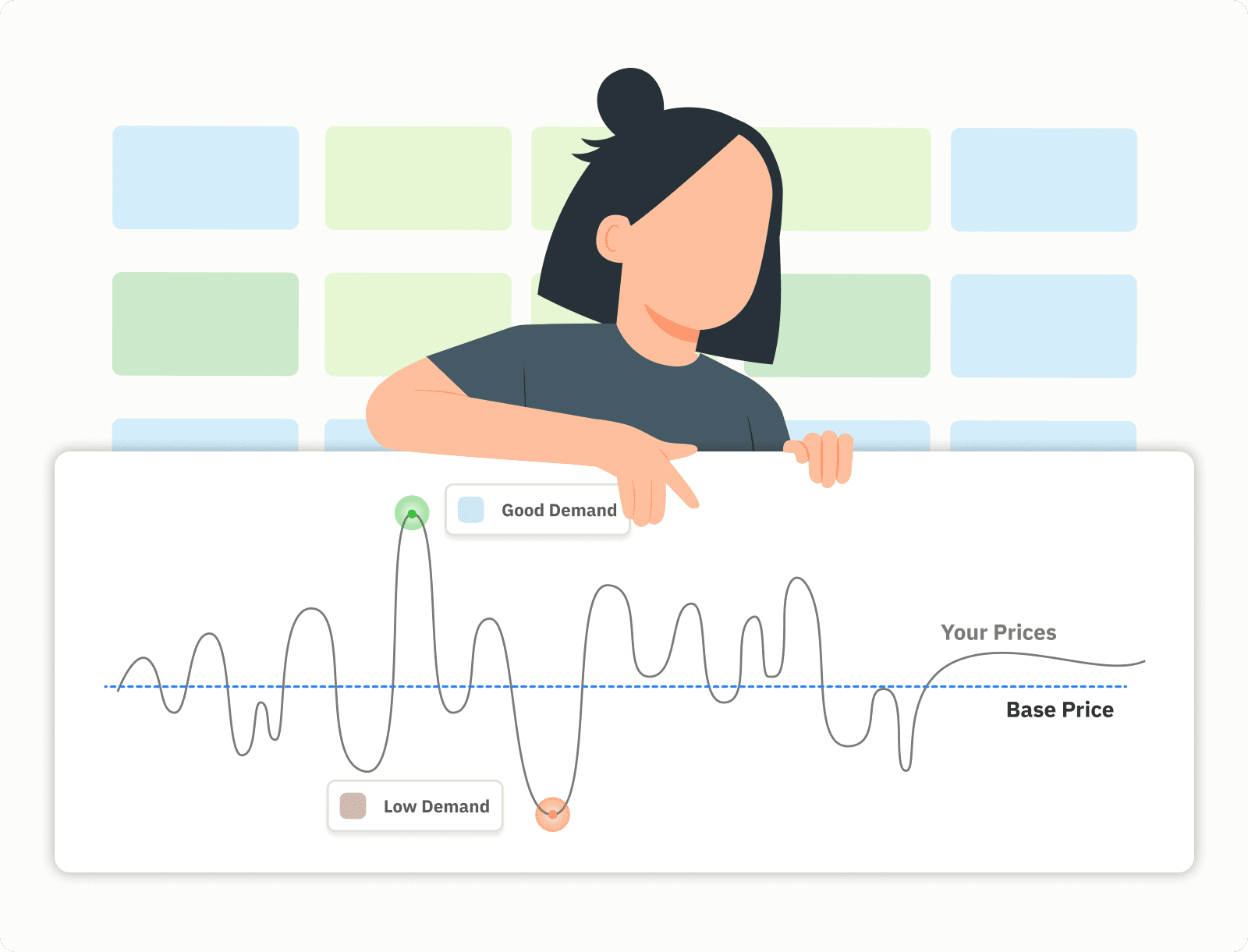
3. Do not wait for platform smart pricing to catch up. It often lags real-time demand signals by days or weeks.
The data on nature-led travel is striking. Guests are actively searching for the opposite of city life.
Airbnb reports that searches for stays near US national parks are up 35% for 2026. Nature experiences are now the top booked category on the platform. The Great Smoky Mountains are trending over 135% among solo travellers. Expedia’s Unpack 26 report adds further weight to this shift.
Both Airbnb and Expedia are actively promoting rural and nature-adjacent destinations in their 2026 editorial and marketing. That means algorithmic support follows demand. Guests who travel to nature destinations also tend to stay longer on average, which improves your occupancy and reduces turnaround costs.
What this means for you
Guests are not just looking for relaxation. They want a property that actively helps them feel better.
Booking.com’s 2026 Travel Predictions surveyed 29,000 travellers across 33 countries. It found that nearly 80% are open to booking trips centred on wellbeing and recovery. The level of detail in what guests want is striking.
75% of respondents want sleep-optimising suites with circadian lighting and soundscapes. 72% are interested in personalised hydration features calibrated to the local climate. Airbnb’s own data shows recharge trips, stays designed around neurological recovery, as one of the fastest-growing 2026 search categories.
Alongside this, 72% of Booking.com travellers say they want to try slow travel that prioritises depth over packed itineraries.
This reflects a broader pattern. Demand is splitting between deep rest at one end and high-adrenaline adventure at the other. The middle-ground, do-everything-for-everyone trip is losing appeal.
Properties that are clearly positioned for one or the other convert better than those trying to serve both audiences simultaneously.
What this means for you
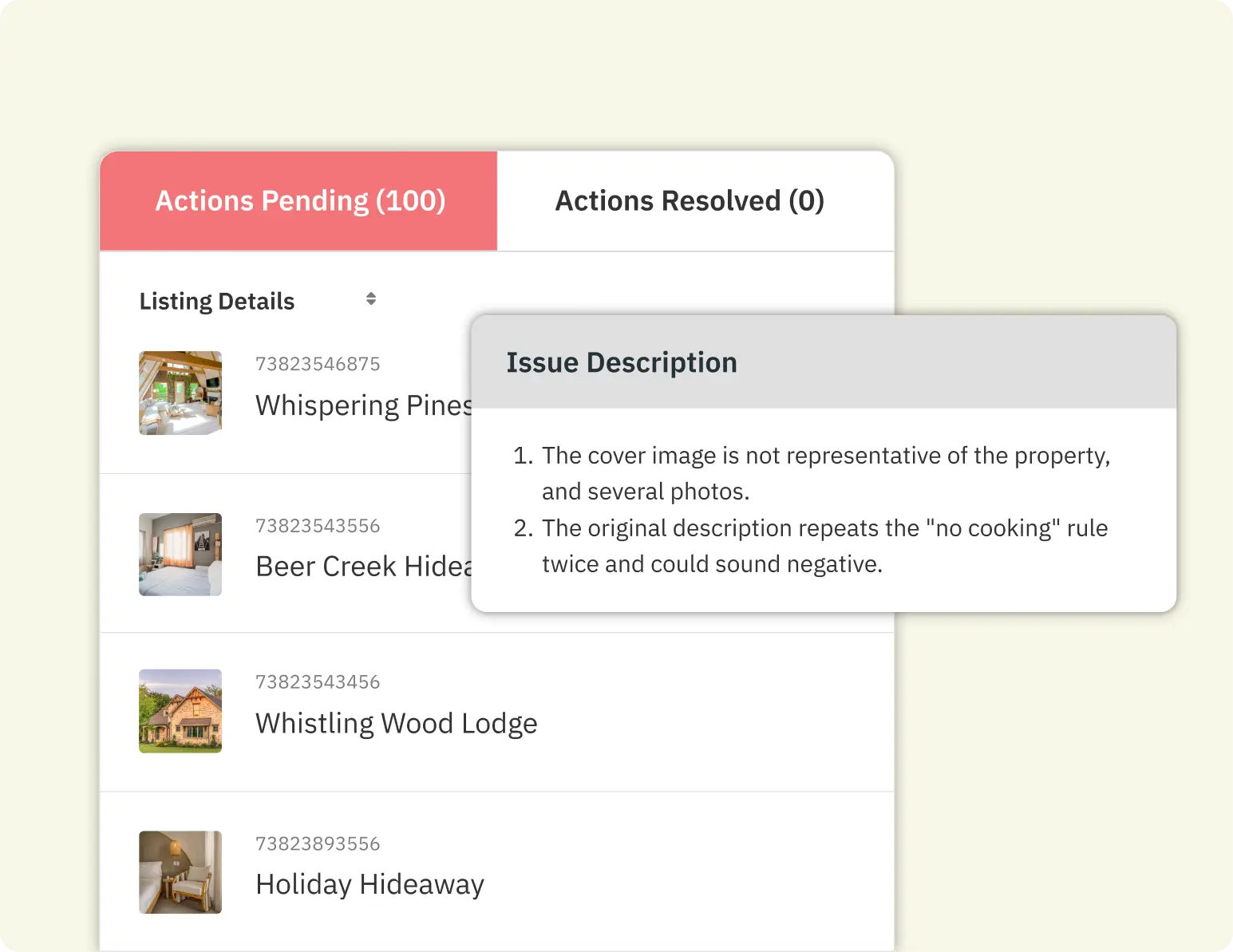
Guests increasingly book based on how a place makes them feel, not just what it offers.
Screen-inspired travel has become a significant driver of bookings. Airbnb’s first-party data showed that Koh Samui bookings surged by over 500% after The White Lotus Season 3 premiered in 2025. Expedia has now put a number on the broader economic scale of this trend.
81% of Gen Z and Millennial travellers now plan trips based on content they have seen on-screen or on social media. But the trend is maturing beyond specific filming locations. Booking.com found that 71% of global travellers would visit a destination inspired by a fantastical or atmospheric aesthetic, even without a direct screen connection.
Identity alignment is becoming a real conversion lever. Travellers want spaces that reflect their values and taste. The generic neutral-toned listing is losing ground in leisure travel, even if it still works for business trips.
What this means for you
Booking windows are compressing across the industry. This is a structural shift, not a temporary pattern.
Booking.com’s survey of 29,000 travellers found that 67% no longer need a specific reason or occasion to book a trip. That figure is up year-on-year and signals growing spontaneity across all demographics. Airbnb’s 2026 predictions highlight Gen Z driving a surge in one- to two-day international getaways, booked days before departure based on social media content.
The booking pattern this creates is important to understand. Guests browse weeks or months in advance but commit only days before arrival. You need strong visibility early in the search funnel while keeping your calendar genuinely attractive at the short end.
Expedia’s Unpack 26 report lists traveller control and flexibility as defining themes for 2026. Guests who book last-minute often pay more. But rigid cancellation policies are removing listings from their shortlists before they even get to the pricing stage.
What this means for you

New rules are no longer occasional disruptions. They are permanent overhead, and they are redistributing market share.
Across multiple countries, 2025 saw licensing regimes, registration requirements, tax reclassifications, and enforcement mechanisms tighten simultaneously. Operating informally has become materially more expensive and more fragile. Some of the most significant short-term rental regulation changes underway include the following.
Hostaway’s 2026 data shows that while total supply growth has slowed in regulated markets, operators managing 100 or more listings continued to grow faster than the market average in 2025. Regulation is actively redistributing opportunity toward operators with the infrastructure to handle compliance, and away from those who are not prepared for it.
What this means for you
AI is no longer a future topic for STR operators. It is already within the platforms that decide which listings get seen.
Hostaway’s 2025 Summer Snapshot survey found AI adoption at 84% across its operator base, up substantially from the year before. Their full 2026 STR Industry Report, drawn from 326 operators across 46 countries, confirmed that AI tools are now core to operations for the majority of professional managers.
The three areas where operators are seeing the biggest operational gains are dynamic pricing with real-time rate adjustments, automated guest messaging for pre-arrival and check-in sequences, and listing optimisation covering photo quality and keyword analysis.
But the more significant development for 2026 is how AI is changing platform discovery itself. Airbnb, Booking.com, and Expedia have all publicly committed to AI-driven personalisation as their core search strategy.
The goal is to surface fewer but better-matched results. Airbnb is developing natural-language search. Booking.com and Expedia are using first-party booking data to surface more relevant options faster.
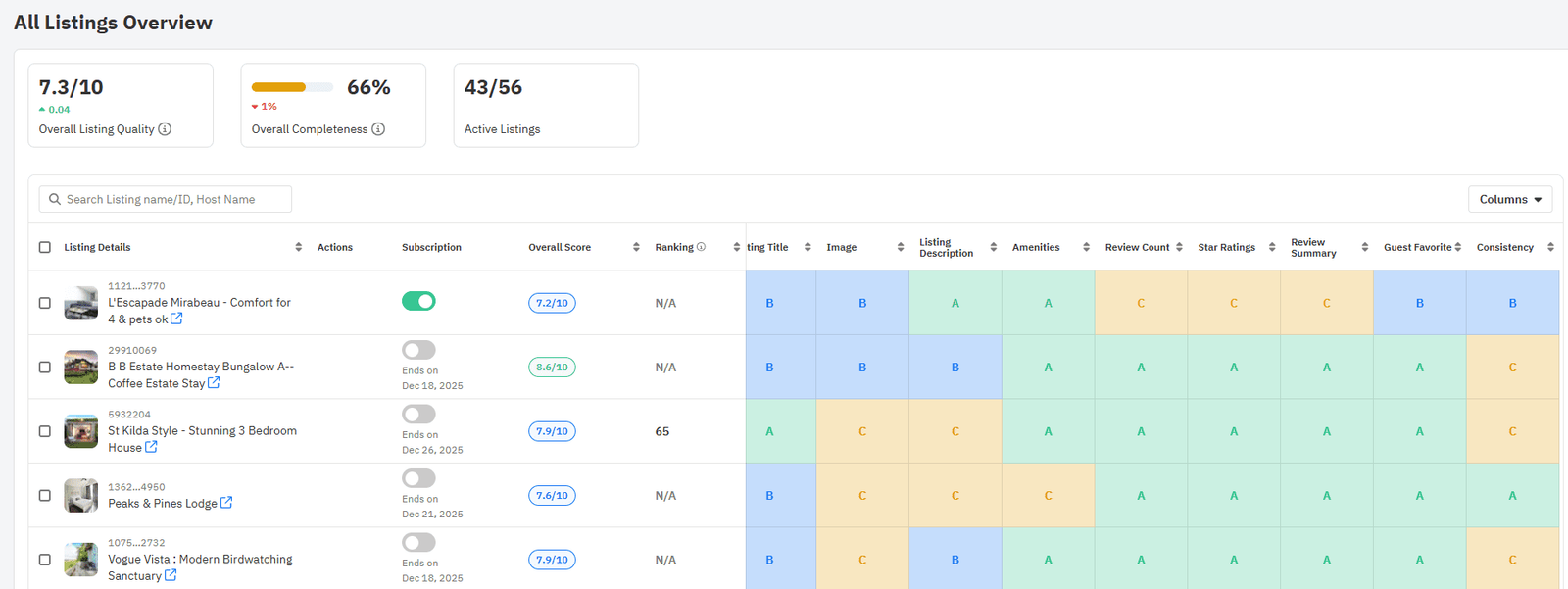
The practical consequence is that listings need to be more legible to algorithms. Clear property categories, strong keyword signals, high-quality photos that classify correctly, and consistent positive review patterns all feed into how frequently your listing is shown.
What this means for you
Guests are not just asking how much a stay costs. They are asking whether the price makes sense.
In October 2025, Airbnb replaced its previous split-fee model with a unified 15.5% service fee deducted from hosts’ payouts. The same underlying cost to the guest, framed differently, suddenly felt either more expensive or more transparent depending on how a listing presented it. That reaction revealed a shift that has been developing for some time.
Booking.com and Expedia’s all-in pricing requirements and greater fee transparency have trained guests to scrutinise value more carefully than they did two or three years ago. The result is that price now needs narrative support. A rate that feels arbitrary does not convert. A rate that feels earned and explained does.
Factors that make a nightly rate feel justified to a guest include proximity to a major event, a distinctive design or location story, a clear promise of rest or nature, and transparent all-in pricing with no hidden fees. Hidden fees are now a direct conversion problem across all three major platforms.
What this means for you
Airbnb, Booking.com, and Expedia now show overlapping inventories side by side. Being comfortable and well-photographed is no longer a point of difference.
Travellers with abundant, visually similar options gravitate toward listings that tell a coherent story and make a specific promise about the stay.
The data from the three major platform reports point in the same direction.
Identity clarity is not about a dramatic renovation. It is about coherence. Every element of your listing should point toward the same guest and the same kind of stay.
The strongest listings in 2026 are those where the headline tells you immediately who the property is for, the first two photos make you feel something specific rather than just showing tidy rooms, the description explains the stay rather than just cataloguing the space, and the pricing reflects a clear value story.
What this means for you
These trends build on the fundamentals in our complete guide to vacation rental analytics and market data.
Want to learn what PriceLabs can do for you? See for yourself with a free trial. Get started now!