
Get started with PriceLabs now!
Want to learn what PriceLabs can do for you? See for yourself with a free trial. Get started now!

You might not want to keep your calendar open all the time: there might be emergency maintenance required or an event might require your entire property. All of these might lead to closing the property for more bookings – which is where blackout dates come in.
Understanding and strategically implementing blackout dates can significantly impact your revenue optimization strategy. This article will discuss this further.
Bonus: The Ultimate Guide to Vacation Rental Automation
Blackout dates Definition: It is also known as blockout dates in some regions, are specific calendar dates when a property is deliberately made unavailable for booking either for personal use or for maintenance.
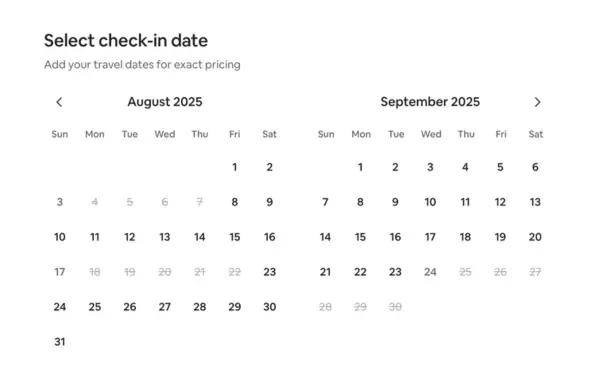
Unlike standard availability management, blackout dates provides you a strategic decision making strategy to remove certain dates from your calendar regardless of the property’s occupancy condition.
Blackout dates are used to serve specific purposes:
While the term originated in the traditional hotel industry and loyalty program context (where certain high-demand dates are excluded from point redemption), Blackout dates are also important for you as a host, and understanding the blackout date meaning can help you manage your calendar more strategically.
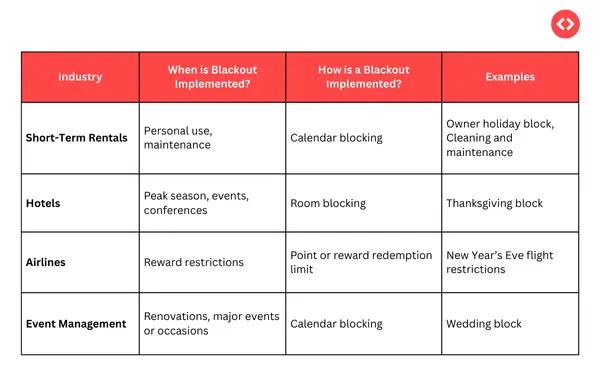
There are important uses for blackout dates that go beyond simply removing such days from your calendar. These dates help you obtain the most income and occupancy possible out of your property.
The only way to ensure that your guests have a positive experience is to maintain your home consistently. Blackout dates lets you plan regular deep cleaning, preventative maintenance, and essential upgrades without disrupting bookings.
For example, blocking few days each quarter for property inspections and repairs can prevent costly last-minute emergencies and negative guest reviews while extending the lifespan of your property.
Strategic blackout dates can help you capitalize on high-demand periods by creating artificial scarcity of available dates. When you temporarily blocking key dates around major events and releasing them later, you can command a premium rates far above your standard pricing.
When you combine the blackout dates strategy with data-driven market insights, you will be able to boost your average daily rate (ADR) by 30-60% during peak seasons.
A short-term rental hosts life is not easy. You are always juggling multiple things and burnout is a real risk.
With blackout dates, you will get the flexibility to schedule time for vacations, family, or just rest, ensuring that both you and your business are in good hands for the long term.
Frequent guest turnover will drive up your cleaning costs and add more operational strain. When you use blackout dates strategically you can encourage longer stays, reduce turnover while also being able to maintain high occupancy rates.
If you do not have external help, this approach will be extremely helpful for you. It will minimize logistical burden and streamlines operational costs.
Every market has its unique demand patterns driven by local events and seasons. You should conduct a comprehensive demand analysis of your market.
With PriceLabs, our Review Prices Dashboard allows you to quickly analyze the events that will happen in your neighborhood and understand their impact on your property as well.
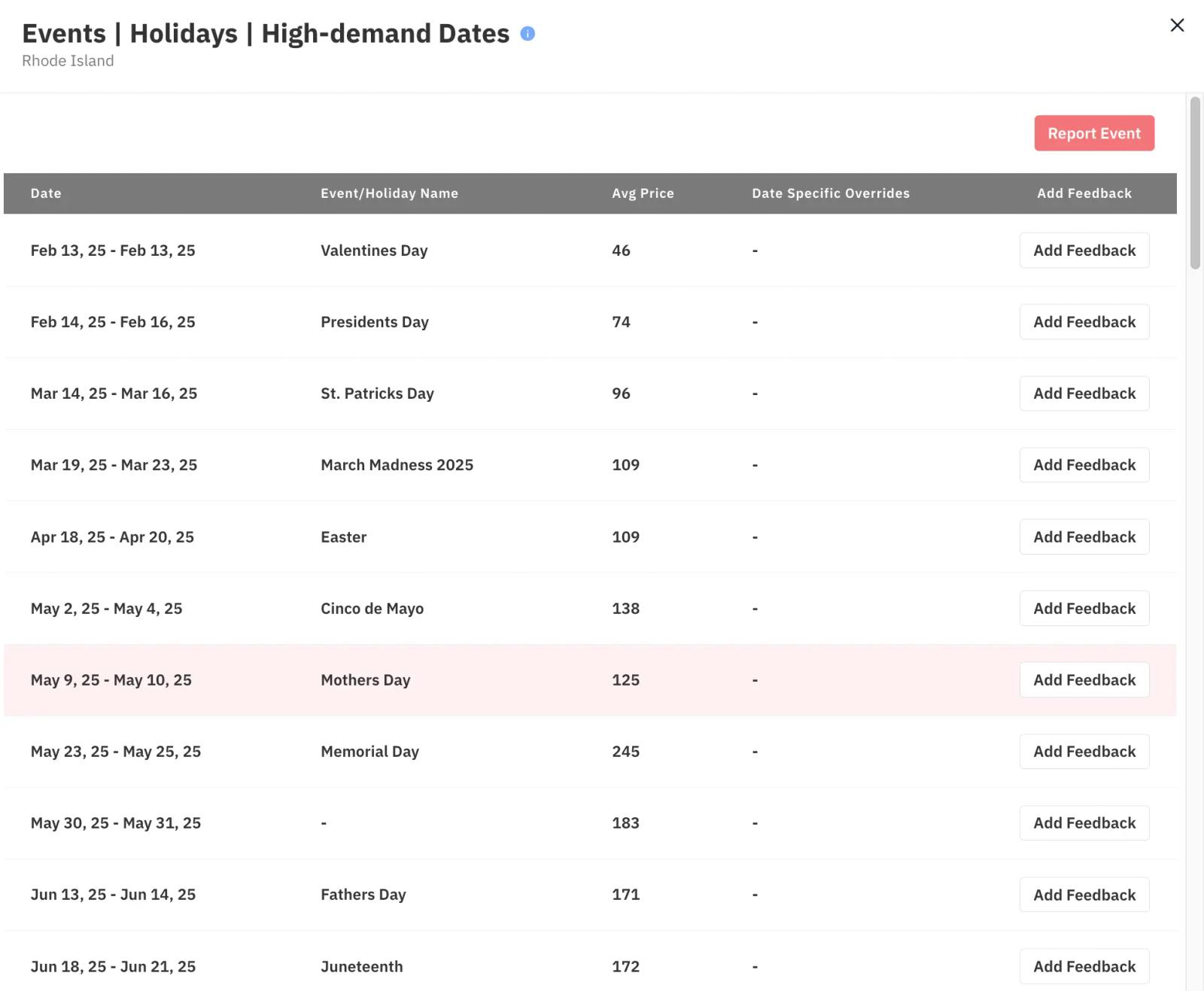
For example, if you operate in a market with a major annual festival, you might consider:
To determine seasonality, you need to evaluate both past performance data and future market trends:
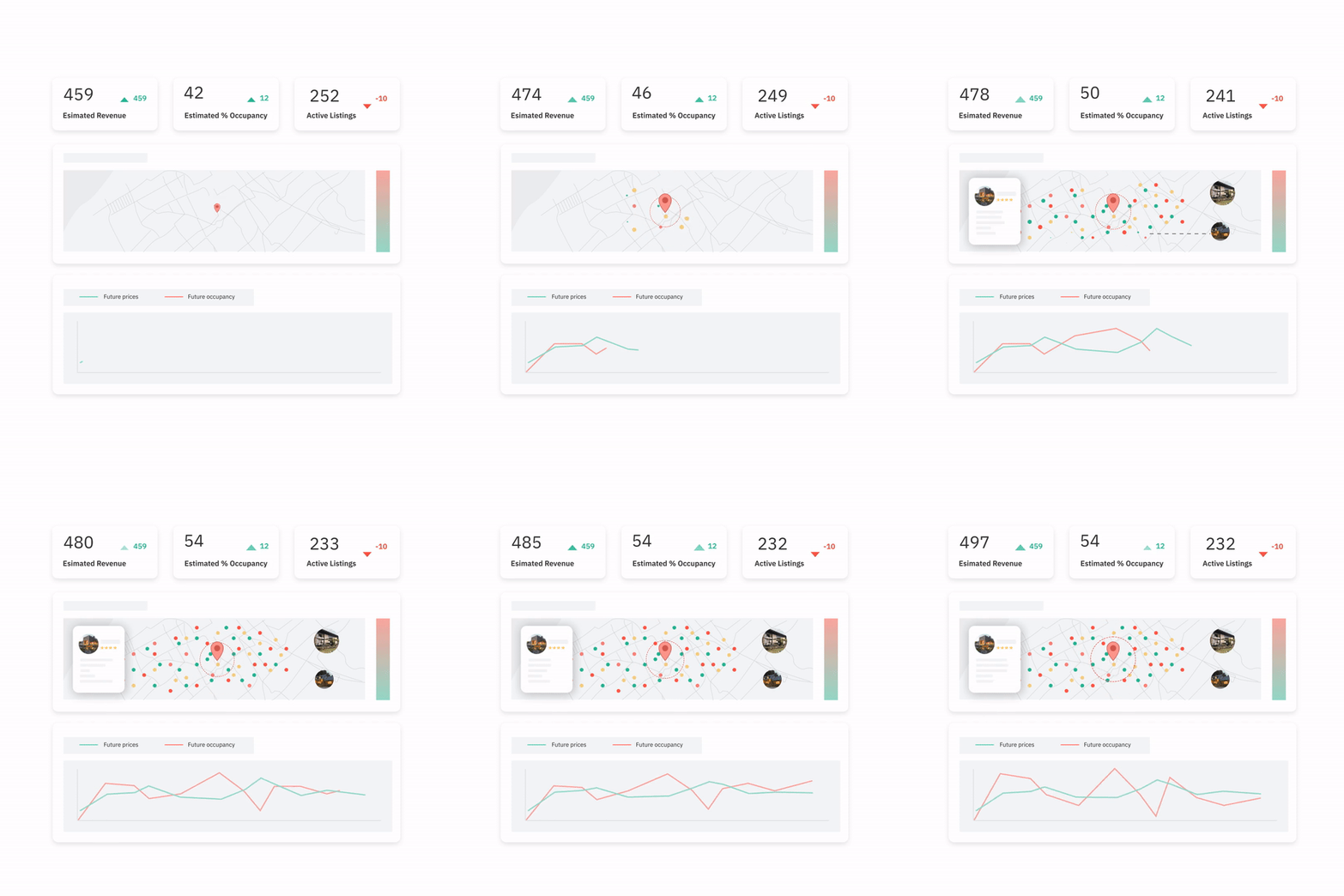
By combining historical insights with live data, you’ll stay ahead of market changes and optimize revenue without guesswork:
You should combine your property’s past performance data in Review Prices and PriceLabs Portfolio Analytics with PriceLabs Market Dashboard and Neighborhood Data to gain valuable insights into the market and property pricing.
PriceLabs Portfolio Analytics will provide a real-time reporting system that tracks important financial metrics for your property, giving you quick insights into its performance.
This focused approach provides much more relevant demand insights than broad market averages.
Your property’s position in your market impacts an optimal blackout date strategies. Any property that has unique features, is in a prime location, or has exceptional reviews can always implement or try to implement an aggressive blackout and premium pricing strategies than those competing primarily on price.
With PriceLabs Market Dashboard, you can create specific comp sets that reflect properties similar to yours or ones you’re considering investing in. This allows for more targeted analysis of direct competitors rather than the entire market.
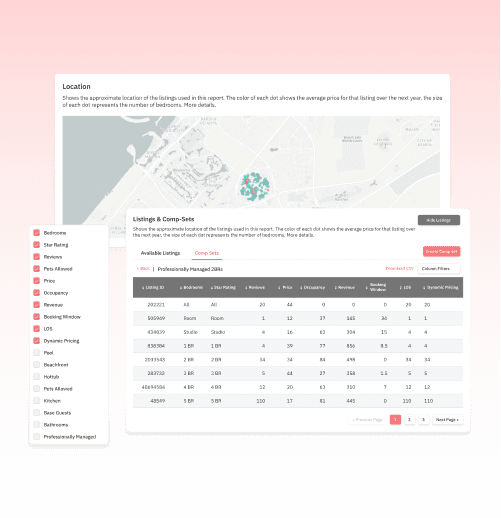
For example, you can create a comp set of properties with:
To implement your blackout date strategy, you should analyze your competitors with metrics such as:
Different booking platforms treat blackout dates with varying algorithms and visibility implications.
Understanding these nuances is crucial for maintaining optimal search positioning while implementing blackout strategies:
Rather than blocking off entire high-demand periods, consider “pulsing” your availability by alternating between blackout dates and available dates with premium pricing. This approach balances revenue optimization with maintaining sufficient booking volume to avoid algorithmic penalties on major platforms.
For example, during a two-week festival period, you might block Monday-Wednesday while keeping Thursday-Sunday available at premium rates, creating artificial scarcity while maintaining some booking opportunities.
For major events with predictable demand curves, implementing an incremental release strategy can maximize revenue potential:
This approach allows you to capture both early planners willing to pay premium rates and last-minute bookers facing limited market inventory.
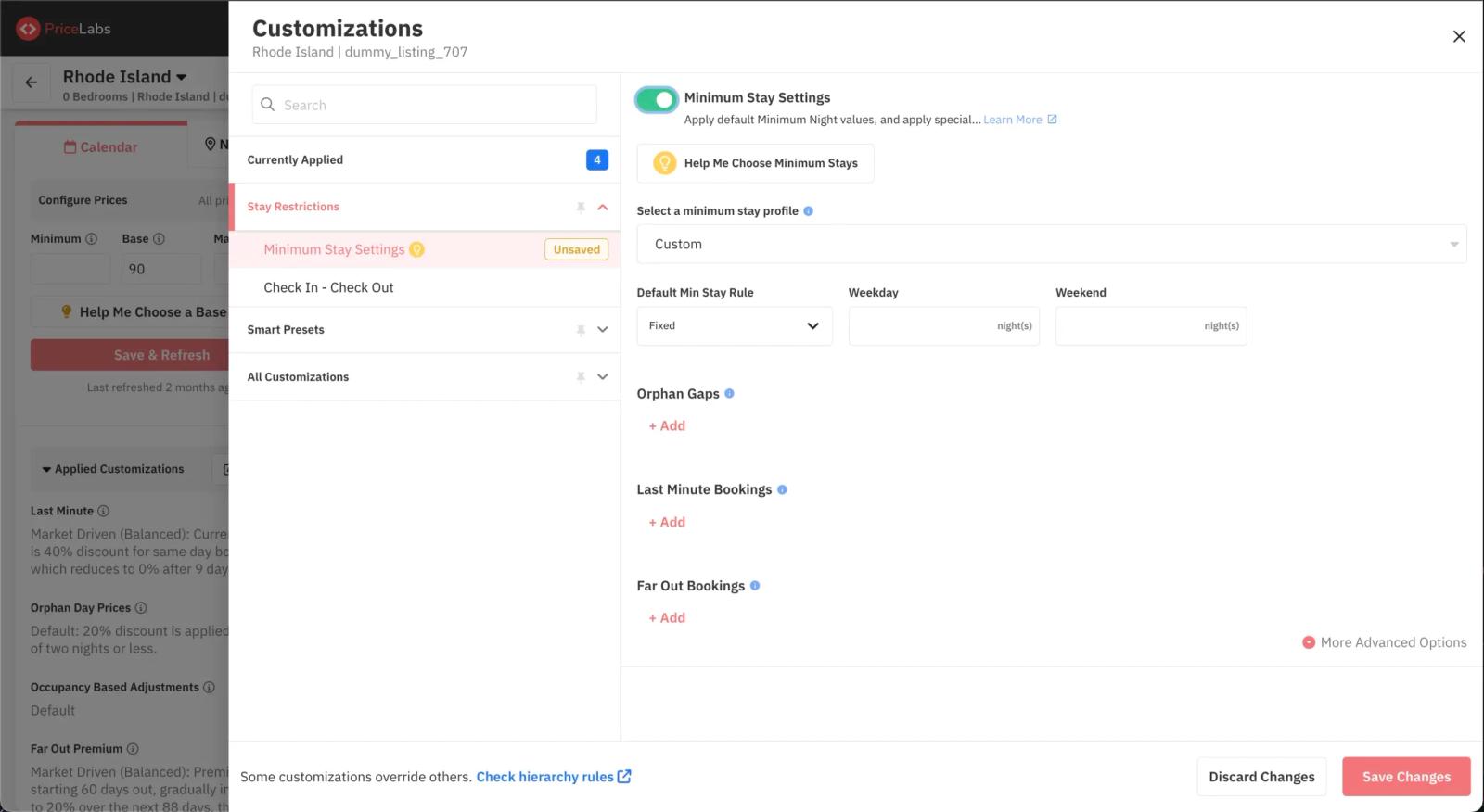
While many hosts implement buffer days between bookings for operational purposes, these can be strategically manipulated during different demand periods:
This flexible approach ensures buffer days enhance rather than restrict your revenue potential.
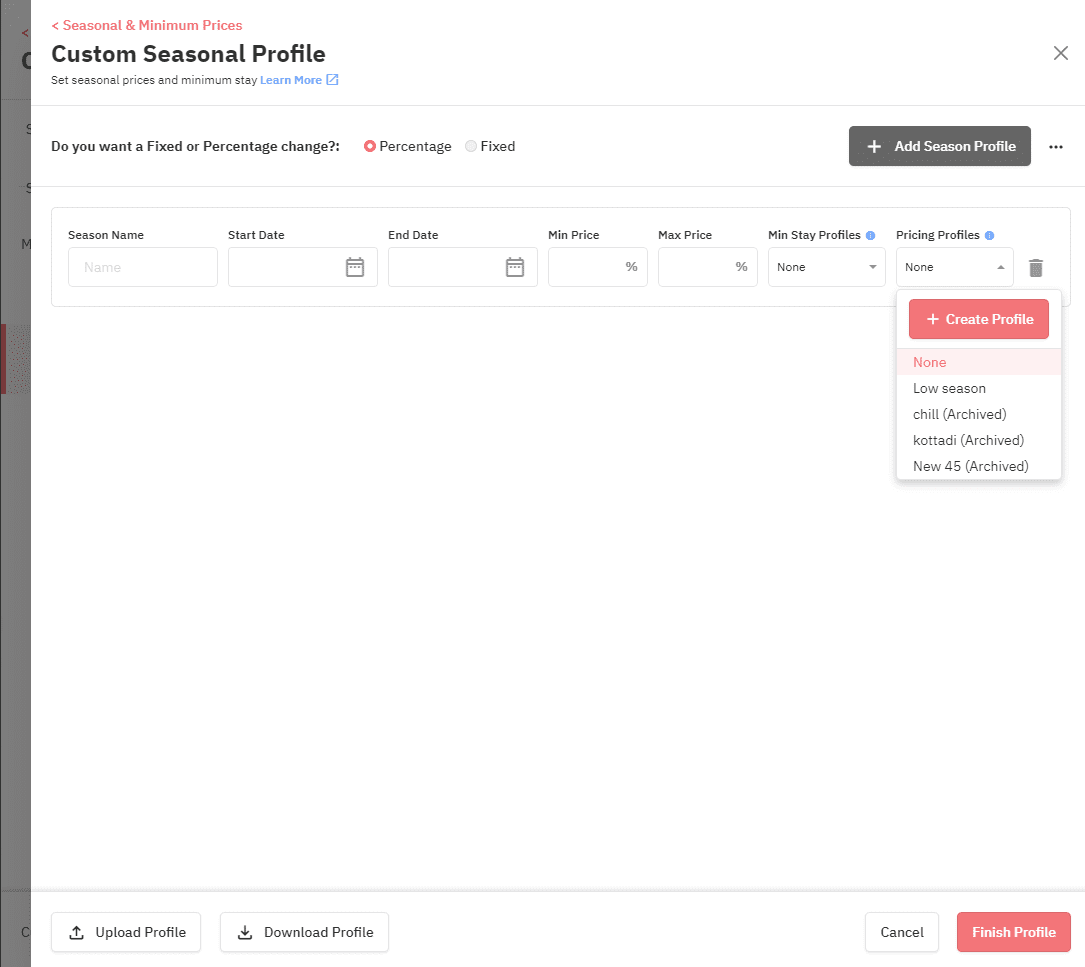
Even experienced hosts sometimes fall into these common blackout date strategy pitfalls:
The ultimate goal of any revenue management strategy is maximizing total revenue, not just average daily rate. Finding the optimal balance between blackout dates and overall occupancy requires ongoing analysis and adjustment.
You can aim for a blackout date strategy that:
For hosts managing a small portfolio of short-term rentals, blackout dates represent a powerful but nuanced tool in your revenue optimization toolkit. When implemented strategically based on market insights, competitive positioning, and operational requirements, they can significantly enhance your profitability while supporting sustainable operations.
Remember that the optimal approach varies significantly based on your specific market, property type, and business objectives. Regular analysis of your results and willingness to adjust your strategy based on performance data will ensure your blackout date implementation continues to enhance your business outcomes over time.
For managing multi-property bookings across the same date ranges, see our guide to Airbnb split stays.
Want to learn what PriceLabs can do for you? See for yourself with a free trial. Get started now!