
Table of Contents
Updated : Dec 9, 2025
Major global events have always shaped short-term rental (STR) performance, but few demand drivers are as powerful — or as predictable — as large-scale concerts. In 2025, the Oasis world tour created dramatic booking surges across several international cities. Using PriceLabs data from multiple Oasis tour locations — including Buenos Aires, Cardiff, Manchester, Tokyo, Sydney, Melbourne, and São Paulo — we analyzed the impact of Oasis tours on short-term rental performance.
This report summarizes the real shifts hosts experienced around Oasis tour dates, using year-over-year (YoY) comparisons to highlight true demand lift. For hosts, these insights aren’t just interesting — they’re actionable. Understanding how event nights reshape market dynamics helps you set stronger prices, anticipate booking waves, and maximize revenue when your city hosts high-impact concerts.
Methodology: How This Event-Based STR Analysis Was Conducted
To understand the real impact of the Oasis tour on local STR markets, we compared:
- Event-night performance in 2025
- Same-time-last-year (STLY) performance in 2024
- Occupancy, ADR, RevPAR, and absolute/relative growth metrics
- Venue capacity and multi-day event patterns
This approach isolates the effect of event-driven demand, giving hosts a realistic picture of how large concerts reshape market behavior.
Each of these cities hosted Oasis shows in major stadiums — Tokyo Dome, Marvel Stadium, Accor Stadium, Estadio River Plate, and others — providing strong, consistent benchmarks for evaluating STR demand.
Key Finding #1: Event Nights Drove Major Occupancy Spikes
Across nearly every market, occupancy jumped significantly on Oasis tour dates compared to the same dates last year.
Even early previews of the dataset reveal:
- Cardiff: Occupancy rose from 0.68 → 0.88
- Manchester: A jump from 0.52 → 0.78
- Buenos Aires: 0.46 → 0.84
These increases — ranging from +20% to +40% YOY — reflect the compressed, high-intensity demand that concerts bring. Guests booking for events overwhelmingly prefer walkable locations or short commute times, driving last-minute and premium-priced reservations.
Key Finding #2: ADR Increased in Line With Demand Surges
While occupancy improved significantly, ADR (average daily rate) also saw strong YOY growth across major markets. Hosts were able to raise prices while still maintaining booking velocity — the hallmark of peak demand.
Cities showing the strongest ADR uplift:
- Tokyo: Large stadium capacity → stronger willingness to pay
- Melbourne: Multi-night events → sustained ADR lift
- Sydney: ADR increases combined with very healthy occupancy levels
In nearly every market, hosts optimized pricing as event dates approached — suggesting either a strong awareness of event demand or effective use of automated dynamic pricing tools.
Key Finding #3: RevPAR Recorded the Strongest Growth Across Markets
While occupancy and ADR both increased, RevPAR (Revenue Per Available Rental) showed the highest relative gains — often outpacing ADR growth entirely.
This confirms two important patterns:
- Hosts captured higher prices
- Hosts filled more nights
- Both effects compounded to drive stronger total revenue
Cities like Cardiff and Manchester demonstrated this clearly: even moderate ADR increases translated into strong RevPAR gains because occupancy stayed extremely high.
Why RevPAR Matters Most for Hosts
RevPAR is the most important metric during event periods because:
- It reflects both price and occupancy performance
- It reveals whether pricing was too low (high occupancy but low RevPAR)
- It shows whether hosts captured maximum demand-driven value
For major events, high RevPAR is the indicator that your pricing strategy worked.
Dynamically Price Your Property and Get FREE Custom Reports Tailored To Your Property!
Use PriceLabs Dynamic Pricing to competitively and dynamically price your property according to demand shifts and analyze past performance to set a strong pricing strategy for your property.
Create your Account NowCity-by-City Breakdown: Oasis Tour Impact on Short-Term Rental Market
Below is a simplified, insight-focused breakdown based on the Oasis tour’s impact on the short-term rental market.
1. Cardiff
- Strongest occupancy jump (0.68 → 0.88)
- High RevPAR growth from combined occupancy + ADR lift
- Single-night event created multi-night demand
Takeaway: Cardiff hosts who priced aggressively captured the highest revenue gains in the dataset.
2. Manchester
- Occupancy increased from 0.52 → 0.78
- ADR showed proportional improvement
- RevPAR significantly higher year-over-year
Takeaway: Manchester’s booking pattern showed early demand plus strong last-minute reservations.
3. Tokyo
- Large-capacity venue → high demand from international travelers
- ADR lift was substantial
- One of the strongest RevPAR performers
Takeaway: Tokyo benefited from tourism-heavy demand and premium willingness to pay.
4. Melbourne
- Multi-day events (Nov 3–4)
- Sustained occupancy increases across consecutive nights
- Pricing strength held both days
Takeaway: Multi-day concerts compound revenue opportunity — hosts should treat them as mini-seasons.
5. Sydney
- Consistent ADR increases
- High base demand + event surge created a strong RevPAR uplift
Takeaway: Dynamic pricing is essential in high-baseline markets to avoid leaving money on the table.
6. Buenos Aires
- Occupancy surged from 0.46 → 0.84
- Strongest relative occupancy gain
- ADR and RevPAR both increased sharply
Takeaway: Large stadium events can elevate an entire city’s inventory, not just areas near the venue.
7. São Paulo
- Large guest movement
- Strong overall demand indicators
Takeaway: Big-ticket events in dense urban centers show broad demand spillover — all neighborhoods benefit.
4 Pricing & Strategy Lessons from the Oasis Tour Impact on Short-Term Rental
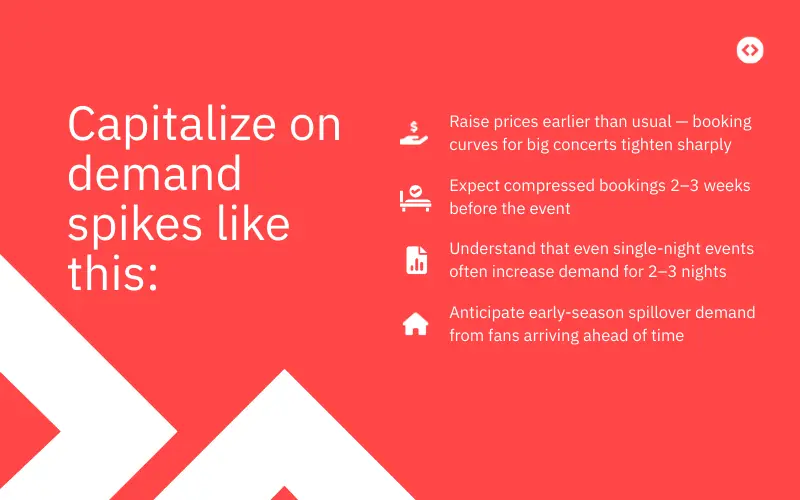
1. Raise Prices Earlier Than You Think
Last-minute demand didn’t mean guests were price sensitive — they were urgency driven.
Start adjusting rates weeks in advance.
2. Use Minimum Stays to Maximize Revenue
For concerts, 2-night minimum stays work well:

- Guests arrive the night before
- Many extend stays post-event
https://pricelabs.co/sign_up?utm_source=cta_blog&utm_medium=blog&utm_campaign=oasis_tour_impact
3. Monitor Event Calendars as Part of Your Pricing Strategy
Concerts, festivals, and sports events often outperform holidays in pure RevPAR lift.
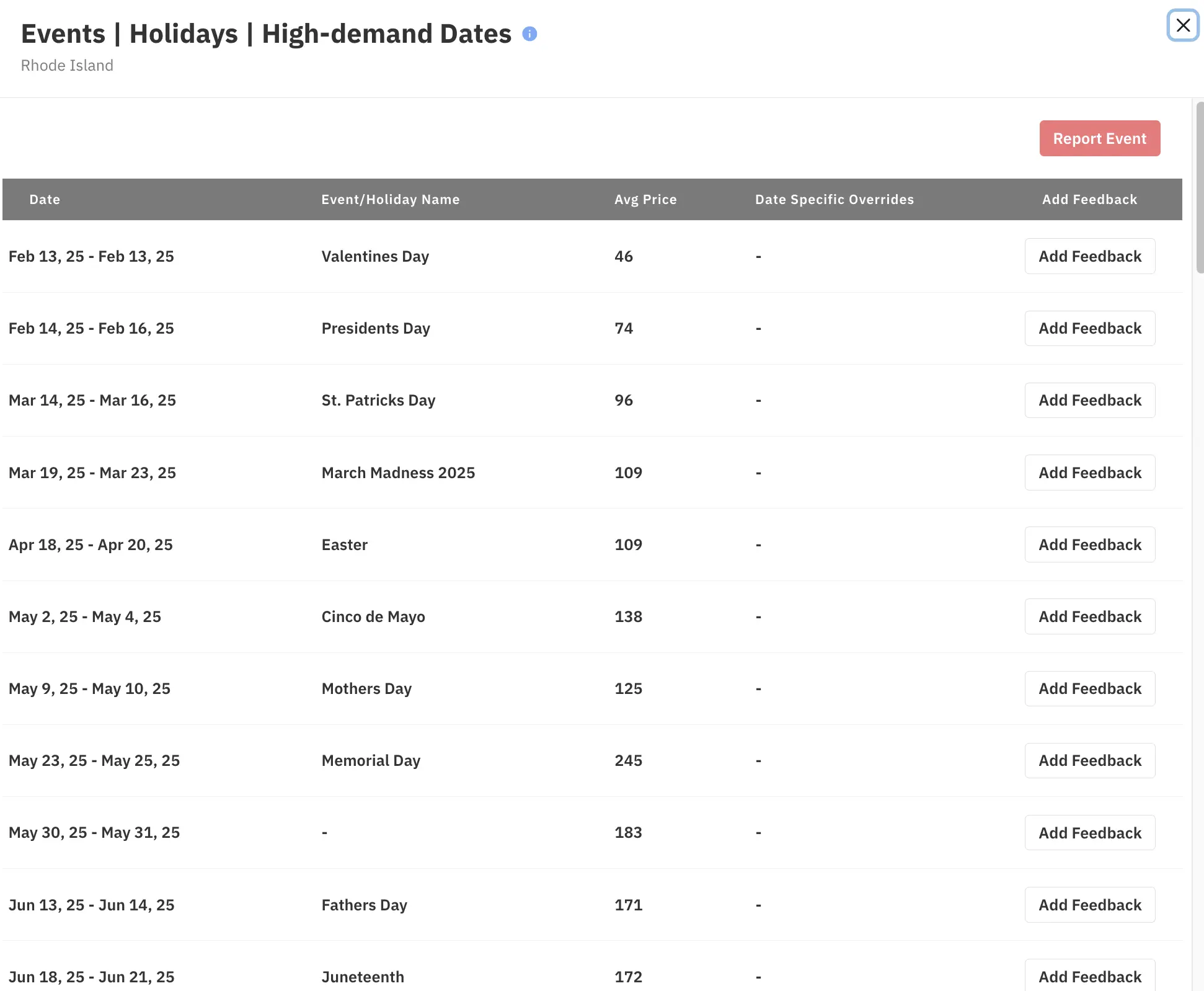
Hosts should:
- Track venue announcements
- Watch ticket launch dates
- Adjust rates when early hype begins
4. Leverage Dynamic Pricing to Capture Late-Stage Demand
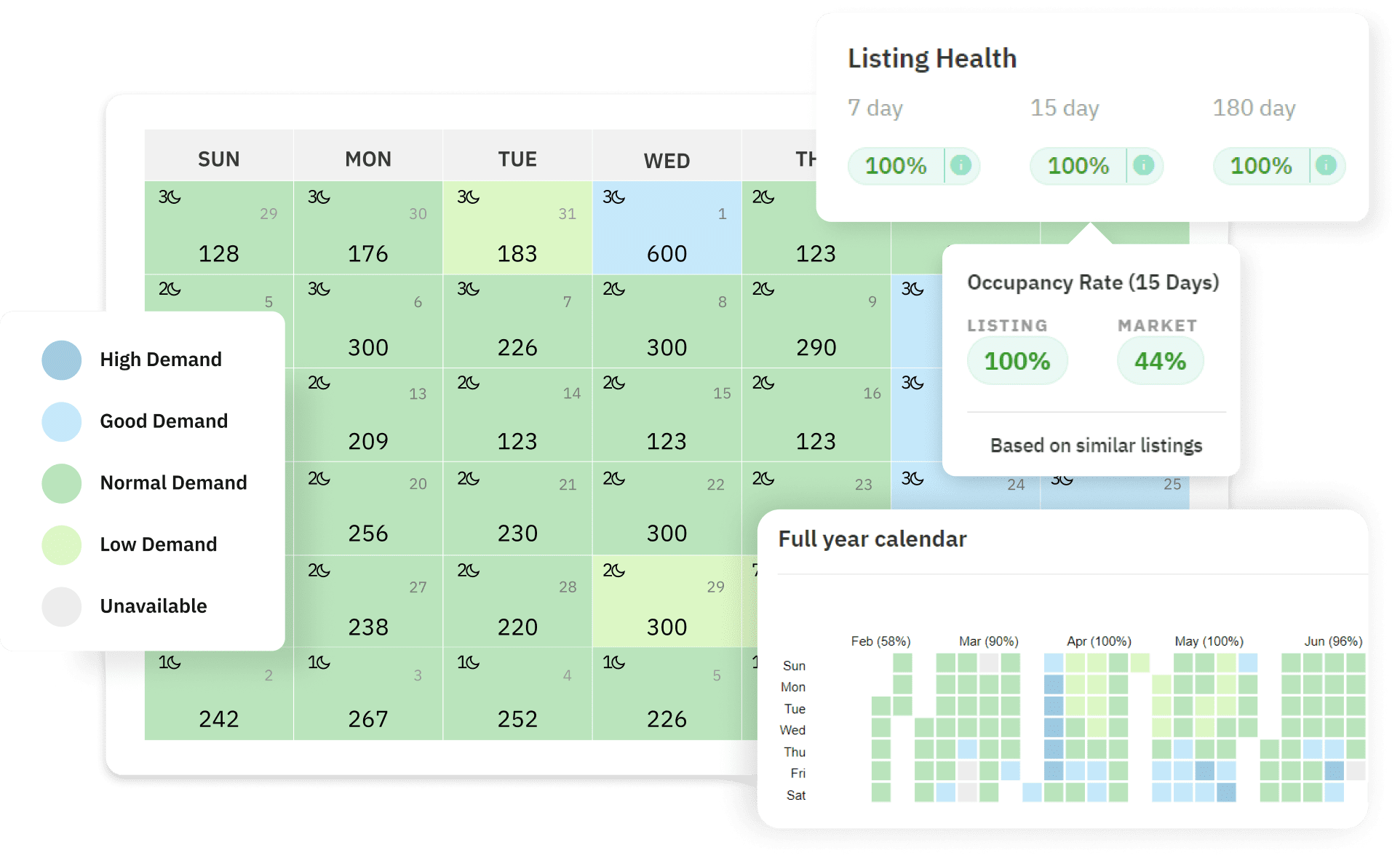
Dynamic pricing ensures your rates move with the market — critical when occupancy spikes 20–40% YOY overnight. Platforms like PriceLabs help hosts:

- Identify demand surges
- Benchmark against market rates
- Automate pricing changes
- Maximize RevPAR in peak periods
Conclusion: What the Oasis Tour Teaches Us About Event-Driven STR Demand
The 2025 Oasis tour showed once again how powerful live events are for short-term rental performance. Cities across the tour saw occupancy, ADR, and RevPAR all rise sharply — often outperforming regular seasonal demand patterns.
For hosts, the message is clear:
- Events aren’t surprises — they’re opportunities
- Pricing early matters just as much as pricing correctly
- Dynamic pricing helps you stay competitive
- RevPAR should be your north-star metric
By understanding how events reshape demand, hosts can confidently optimize their rates, fill more nights, and significantly increase profitability — not just during concerts, but for every high-impact event in their market.
Frequently Asked Questions
1. How early should hosts update their pricing for major events like concerts?
Hosts should begin adjusting prices 4–8 weeks before major concerts or events. The Oasis tour data shows that booking activity often accelerates sharply in the final 2–3 weeks, and hosts who set higher rates earlier captured stronger RevPAR. Dynamic pricing tools can help track early signals and automate rate increases as demand starts building.
2. Why does RevPAR increase more than ADR during concert periods?
RevPAR rises more sharply because it captures the combined effect of higher occupancy and higher nightly rates. During the Oasis tour, cities experienced occupancy spikes of 20–40% along with stronger ADR, which compounded into significantly higher RevPAR. This makes RevPAR the most accurate indicator of how profitable event nights truly are for hosts.
3. Do all neighborhoods benefit from large concerts, or only those near event venues?
All neighborhoods tend to benefit. The Oasis dataset showed performance gains even in areas far from stadiums or concert venues. As inventory near venues fills up, spillover demand pushes bookings outward into adjacent and even distant neighborhoods. This means hosts across the entire city should anticipate demand increases and adjust pricing accordingly.