
Table of Contents
Updated : Jan 29, 2026
As a small host, you know the feeling: one month your calendar is fully booked, and the next, it’s eerily quiet. That’s the rollercoaster of seasonality. But what if you could see the twists and turns coming before they happen?
The good news is, you don’t need a degree in data science to smooth out those revenue bumps. By keeping an eye on just a few key market insight metrics, you can turn those “slow months” into opportunities for maintenance or creative promotions, and make sure you’re maximizing every dollar during the busy times.
Here are the seven essential metrics—and the simple formulas to calculate them—that will help you master seasonality and run your short-term rental business with confidence.
1. Seasonality Index and Occupancy Tracking
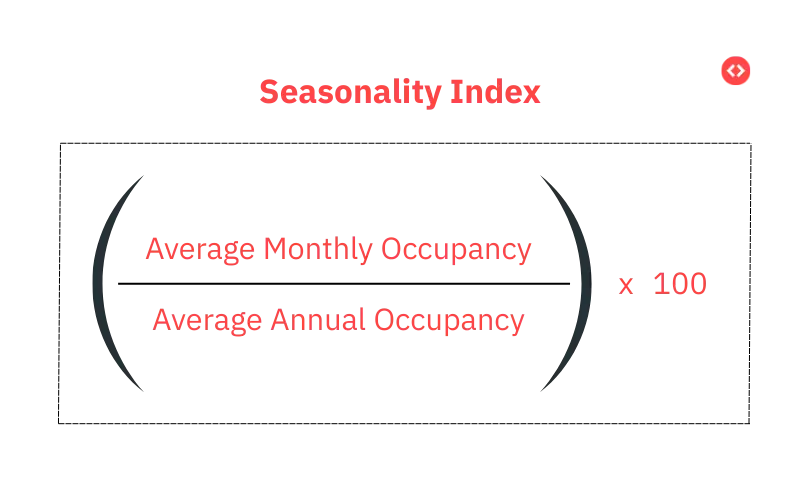
Think of this as your bird’s-eye view of the year. A seasonality index maps the peaks and valleys of demand in your specific area. It’s not just about knowing when summer is; it’s about seeing exactly when the “busy season” starts ramping up and when it starts to cool down.
Why it matters:
Knowing your occupancy patterns helps you plan your life, not just your business. If you know January is always dead quiet, that’s the perfect time to schedule deep cleaning, renovations, or even your own vacation.
Dynamically Price Your Property and Get FREE Custom Reports Tailored To Your Property!
Use PriceLabs Dynamic Pricing to competitively and dynamically price your property according to demand shifts and analyze past performance to set a strong pricing strategy for your property.
Create your Account NowHow to use it:
- Look back to look forward: Try to gather at least 2–3 years of your own booking data to establish a reliable baseline.
- Spot the “Shoulder” seasons: These are the sweet spots between high and low seasons. With the right tweaks, you can keep your calendar fuller for longer during these transition periods.
2. Average Daily Rate (ADR) and Volatility
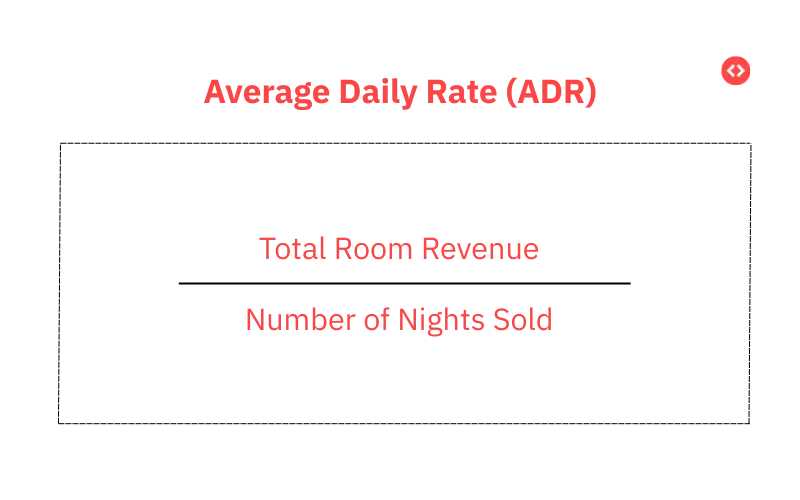
Your Average Daily Rate (ADR) is simply the average price you’re getting for each booked night. But here’s the kicker: it shouldn’t be the same number all year round. Tracking how much your ADR fluctuates (volatility) tells you a lot about your pricing power.
Why it matters:
If your rate is static while everyone else is charging double for a festival weekend, you’re leaving money on the table. Conversely, if you’re too expensive during a lull, you might get zero bookings. Dynamic pricing can make a huge difference.
Dynamically Price Your Property and Get FREE Custom Reports Tailored To Your Property!
Use PriceLabs Dynamic Pricing to competitively and dynamically price your property according to demand shifts and analyze past performance to set a strong pricing strategy for your property.
Create your Account NowHow to use it:
- Compare constantly: Check your rates against last year’s or similar listings nearby.
- Watch for spikes: Big jumps in ADR usually mean something is happening—a concert, a conference, or a holiday.
3. Revenue per Available Rental (RevPAR)
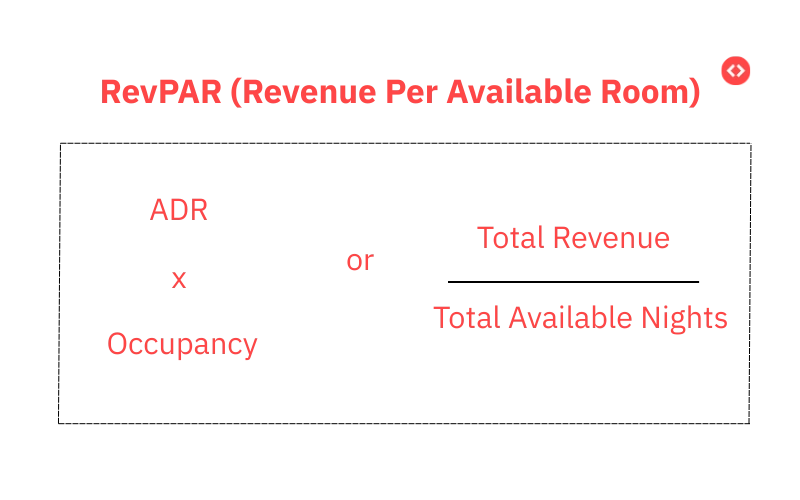
This might sound like corporate jargon, but RevPAR is actually your best friend. It combines your occupancy and your price into one single number.
Why it matters:
It’s the ultimate reality check. You might have a high daily rate, but if your place is empty half the month, your RevPAR will be low. Alternatively, you might be fully booked but at a price so low you’re barely covering costs. RevPAR helps you find the healthy middle ground.
How to use it:
- Apples-to-apples comparison: It allows you to fairly compare how you’re doing this March versus last March, regardless of how you changed your prices.
- Set targets: Use it to set realistic revenue goals for both your high and low seasons.
Dynamically Price Your Property and Get FREE Custom Reports Tailored To Your Property!
Use PriceLabs Dynamic Pricing to competitively and dynamically price your property according to demand shifts and analyze past performance to set a strong pricing strategy for your property.
Create your Account Now4. Booking Pace and Lead Time
Booking pace is the speed at which reservations are coming in, and lead time is how far in advance guests are booking.

Why it matters:
Are people booking your place 3 months out, or 3 days out? Understanding this rhythm helps you time your discounts perfectly. Short lead-time spikes might mean you can catch last-minute travelers with a deal, while long lead times suggest you can hold firm on higher prices.
How to use it:
- Early bird vs. last minute: If you see bookings slowing down for dates that are usually popular, you might need to run a promotion.
- Automate alerts: Tools like PriceLabs can help you spot these trends instantly so you don’t have to stare at a calendar all day.
Dynamically Price Your Property and Get FREE Custom Reports Tailored To Your Property!
Use PriceLabs Dynamic Pricing to competitively and dynamically price your property according to demand shifts and analyze past performance to set a strong pricing strategy for your property.
Create your Account Now5. Market Supply and Competitive Pricing Index
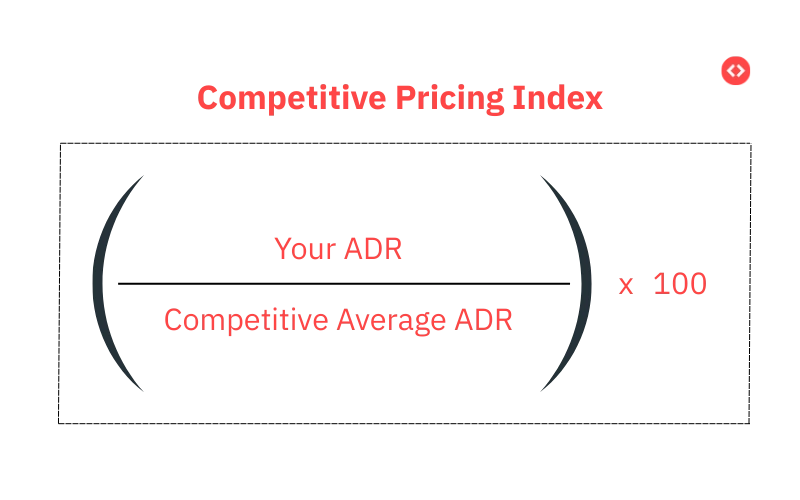
No host is an island. Your success depends partly on what your neighbors are doing. A competitive pricing index (CPI) compares your rates against similar listings (your “comp set“) in the area.
Why it matters:
If a hundred new Airbnbs just opened up down the street, supply has gone up, and you might feel some price pressure. Being aware of this lets you react quickly rather than wondering why bookings have dried up.
How to use it:
- Keep your friends close, and competitors closer: regularly check the rates of properties similar to yours.
- Stay agile: If you see supply spiking (lots of unbooked calendars nearby), you might need to be more aggressive with your pricing to stay attractive.
Dynamically Price Your Property and Get FREE Custom Reports Tailored To Your Property!
Use PriceLabs Dynamic Pricing to competitively and dynamically price your property according to demand shifts and analyze past performance to set a strong pricing strategy for your property.
Create your Account Now6. Local Events and Demand Drivers
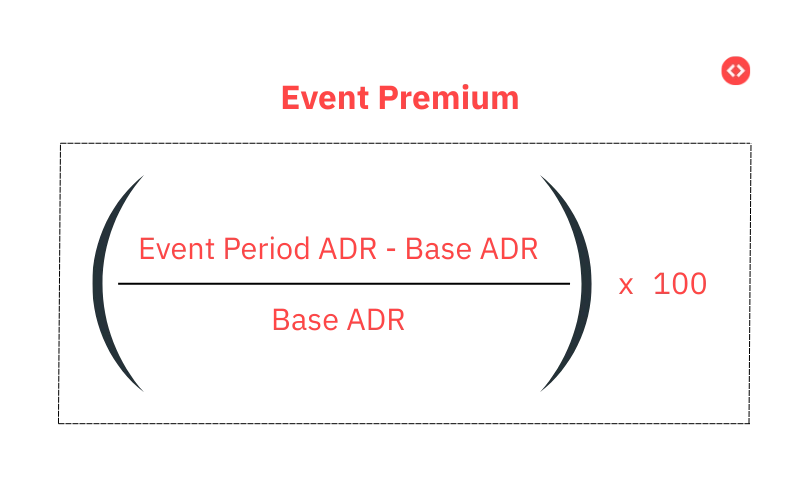
Demand drivers are the external things—festivals, graduations, holidays—that bring people to town. While harder to capture in a single formula, you can calculate the “Event Premium” to see how much an event boosts your potential earnings.
Why it matters:
These are your golden tickets. If you know the Taylor Swift tour is coming to town six months from now, you can raise your prices today before someone books your place at your standard Tuesday rate.
How to use it:
- Build a calendar: Mark down every major local event, holiday, and school break.
- Pre-price: Treat these dates as high-probability wins and set your rates higher in advance. You can always lower them later if needed.
Dynamically Price Your Property and Get FREE Custom Reports Tailored To Your Property!
Use PriceLabs Dynamic Pricing to competitively and dynamically price your property according to demand shifts and analyze past performance to set a strong pricing strategy for your property.
Create your Account Now7. Conversion Metrics and Cancellation Rate
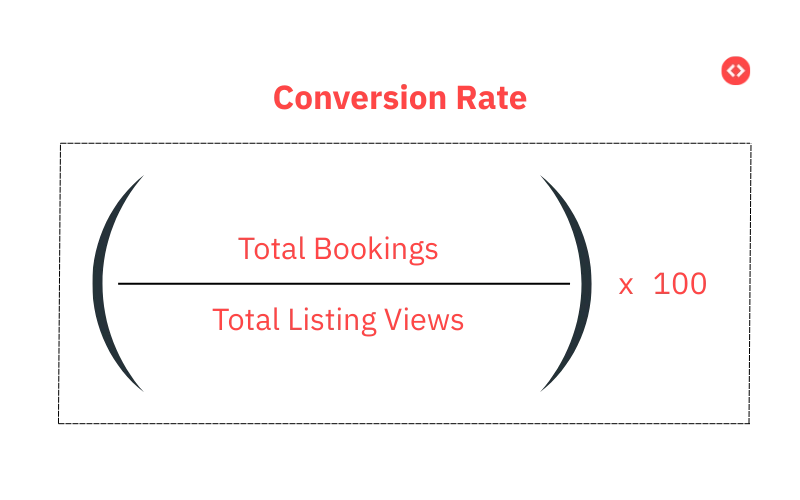
Your conversion rate is the percentage of people who view your listing and book it.
Why it matters:
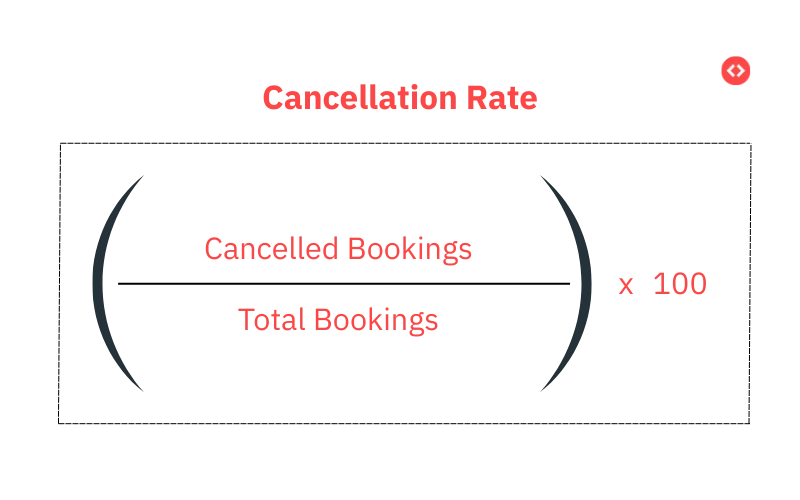
If lots of people are clicking on your listing but nobody is booking, something is wrong. Maybe your cleaning fee is too high, or your photos don’t match the price point. Similarly, high cancellations during a specific season might indicate that your cancellation policy is too lenient for that time of year.
How to use it:
- Troubleshoot: If conversion drops, check your listing’s “curb appeal.” Is the description clear? Are the amenities updated?
- Policy tweaks: If you see many cancellations on high-demand dates, consider a stricter cancellation policy during those peak times to protect your revenue.
Mastering these metrics doesn’t happen overnight, but you don’t have to do it alone. Start by tracking one or two, and build from there. You’ve got this!
Dynamically Price Your Property and Get FREE Custom Reports Tailored To Your Property!
Use PriceLabs Dynamic Pricing to competitively and dynamically price your property according to demand shifts and analyze past performance to set a strong pricing strategy for your property.
Create your Account NowFrequently Asked Questions
How can small hosts use seasonality metrics to optimize pricing strategies?
Small hosts can use seasonality metrics such as occupancy rates and ADR to adjust pricing for peak, shoulder, and low seasons, maximizing revenue during high-demand periods and stimulating bookings in slower months.
What are the best indicators to identify underperforming listings in a rental portfolio?
Key indicators of underperforming listings include persistently low occupancy, declining RevPAR, below-average conversion rates, and frequent cancellations compared to market benchmarks.
How do booking lead times influence last-minute discounts and advance pricing?
Longer booking lead times suggest that higher rates may be sustained for advanced reservations, while shorter lead times can trigger last-minute discounts to boost occupancy.
Why is monitoring local events important for rental demand forecasting?
Tracking local events helps hosts predict demand surges, enabling them to adjust prices and policies ahead of high-occupancy periods to capture more revenue.
How can small hosts maintain a steady cash flow during the low season?
Small hosts can set aside cash reserves during high season, offer promotions or flexible policies in the low season, and use historical seasonality data to plan expenses and pricing strategies.